(Last Updated on June 10, 2026 by Henry)

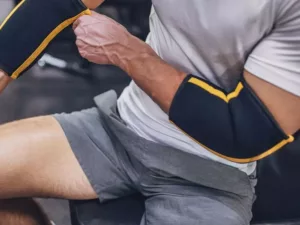
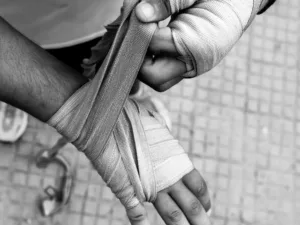
Kinesio tape has carved out its place as a valuable ally for those battling the trials of tendon strain in the hand and wrist. Whether you’re someone putting in countless hours gripping weights or typing away at a keyboard, hand and wrist tendons are prone to overuse.

These tough yet vulnerable fibrous tissues connect your muscles to your bones, so they’re constantly in play. Repetitive motions, like those seen in grip training, arm wrestling, or daily manual work, wear them down over time, and that’s where supportive tools like kinesio tape become essential.
Understanding why hand and wrist tendons are prone to overuse injuries is key.

These tendons are frequently engaged in tasks that demand both precision and strength, from lifting heavy weights to simple daily movements.

Strains and overuse often result from repetitive motion during activities like typing, climbing, or weightlifting.

Tendons are robust but not impervious to the wear and tear that constant movement imposes on them, especially in high-frequency grip training environments.

That’s where kinesio tape comes in. It’s creating waves in athletic circles, not just for athletes but for anyone dealing with tendon pain or discomfort in the hand and wrist. Offering mechanical support and sensory feedback for tendon health, kinesio tape helps reduce discomfort, improve range of motion, and support recovery. It works with movement rather than restricting it, which sets it apart from more rigid forms of taping or bracing used in injury management.

It’s important to set realistic expectations when using kinesio tape for tendon support. This isn’t a miracle cure nor a shortcut to strength development. Instead, think of it as a supportive tool; it provides sensory assistance and enhances awareness of the affected area, encouraging better movement quality and aiding in rehabilitation. It does not replace proper strength-building, grip training, or structured tendon rehab, but it can complement them effectively when used correctly.

Exposing the Anatomy: Hand and Wrist Tendons

Hand and wrist tendons are like the unsung heroes of everyday tasks and athletic performance. They might not get a lot of attention, but their role in enabling movement and strength is essential. Flexor and extensor tendons are at the forefront here, each playing a distinct but vital role in allowing your hands and fingers to move smoothly and generate force.

The flexor digitorum superficialis and the flexor digitorum profundus tendons are responsible for bending the fingers and creating gripping force, making them critical for activities that require strong hand closure. These tendons originate in the forearm and extend into the fingers, acting like tensioned cables that allow the hand to curl into a fist or hold an object securely. This function is especially important in grip-intensive activities such as weightlifting, climbing, and arm wrestling.

Let’s take a closer look at the clinical anatomy of the hand and also the fingers,
so we’ll actually focus on the wrist joint.

The extensor tendons perform the opposite function, helping to straighten the fingers after gripping or releasing force. Together with the flexor system, they create a balanced mechanism that allows precise control of hand opening and closing. This balance is essential for maintaining both grip strength and hand health during repetitive or high-load training.

When these structures are under constant strain from heavy lifting or repetitive movements, they can begin to show signs of fatigue or inflammation. Activities such as climbing, weight training, or prolonged typing can stress the tendons over time, sometimes leading to dull discomfort or sharper pain signals that indicate overload.

Understanding this tendon anatomy helps improve awareness of what is happening beneath the skin during training and daily use. Although tendons are strong and highly durable, they have limits, and recognizing early signs of strain can help prevent more serious overuse injuries.

For visual learners, tendon diagrams can be especially useful for understanding
how flexor and extensor systems interact within the hand and wrist complex.

The Mechanics of Kinesio Tape on Tendons

The Mechanics of Kinesio Tape on Tendons

Kinesio tape isn’t your run-of-the-mill athletic tape. Its elastic properties make it unique, allowing a balance of support and movement. This means you can still move freely while getting additional support for hand and wrist tendons during training or daily activity. It acts as a lightweight external aid that works alongside natural joint mechanics rather than restricting them.

At its core, kinesio tape provides enhanced sensory feedback for tendon function. When applied to the skin, it interacts with surface receptors to improve proprioception, often described as the body’s internal awareness system. This heightened sense of awareness can influence how you control movement, improving coordination and helping reduce the likelihood of overloading tendons during grip-intensive tasks or repetitive motion.

Additionally, there is a mild decompressive effect beneath the tape. While not a structural fix, this subtle change in tissue pressure may help reduce perceived strain during gripping, lifting, or other hand-intensive activities. It allows for support without tight restriction, which is one of the key reasons kinesio tape is used in sports rehabilitation and performance settings.

A key distinction between kinesio tape and traditional rigid taping methods is the balance between functional support and immobilization. Rigid tape is often used to restrict movement for acute injury protection, while kinesio tape is designed to maintain mobility while offering sensory and mechanical assistance. This makes it more suitable for ongoing training environments where movement quality and tendon load management both matter.

Tendon Afflictions Targeted by Kinesio Tape

Tendon Afflictions Targeted by Kinesio Tape

Kinesio tape is a versatile tool for addressing various tendon issues that develop from repetitive strain and high-volume hand use. Whether you’re an athlete, lifter, climber, or someone dealing with the demands of daily grip activity, kinesio tape can be used as a supportive measure when managing specific tendon-related discomfort.

One of the primary concerns it is commonly used for is tendonitis affecting the flexor or extensor tendons. This condition is typically marked by irritation and inflammation caused by repetitive overload. In these situations, kinesio tape may help reduce discomfort and provide light support, allowing continued movement while the tendon undergoes recovery.

Early-stage pulley injuries, often seen in finger-intensive sports such as climbing or grip training, may also benefit from kinesio taping strategies. These injuries can make gripping feel unstable or painful, and reducing strain while maintaining movement can be important during early recovery phases. Kinesio tape may help provide a sense of support without fully restricting function.

Overuse syndromes are also common among climbers, arm wrestlers, and strength athletes due to frequent high-intensity gripping. In these cases, kinesio tape can be used as part of a broader management approach that includes load reduction, mobility work, and gradual reloading. It is not a standalone solution but can assist in managing discomfort during continued activity.

Mild sprains affecting the wrist or hand structures are another scenario where kinesio tape may be applied. These are typically minor soft tissue injuries caused by sudden overload or awkward movement. In such cases, the tape can provide additional support while allowing controlled motion, which is often preferred over full immobilization when appropriate.

The Application Process: Kinesio Tape for Hand Tendon Support

The Application Process: Kinesio Tape for Hand Tendon Support

Getting the most out of kinesio tape begins with applying it correctly. It’s not just about slapping tape on and hoping for the best. Placement and tension are key in ensuring effective tendon support and achieving the intended benefits during grip training or daily hand use.

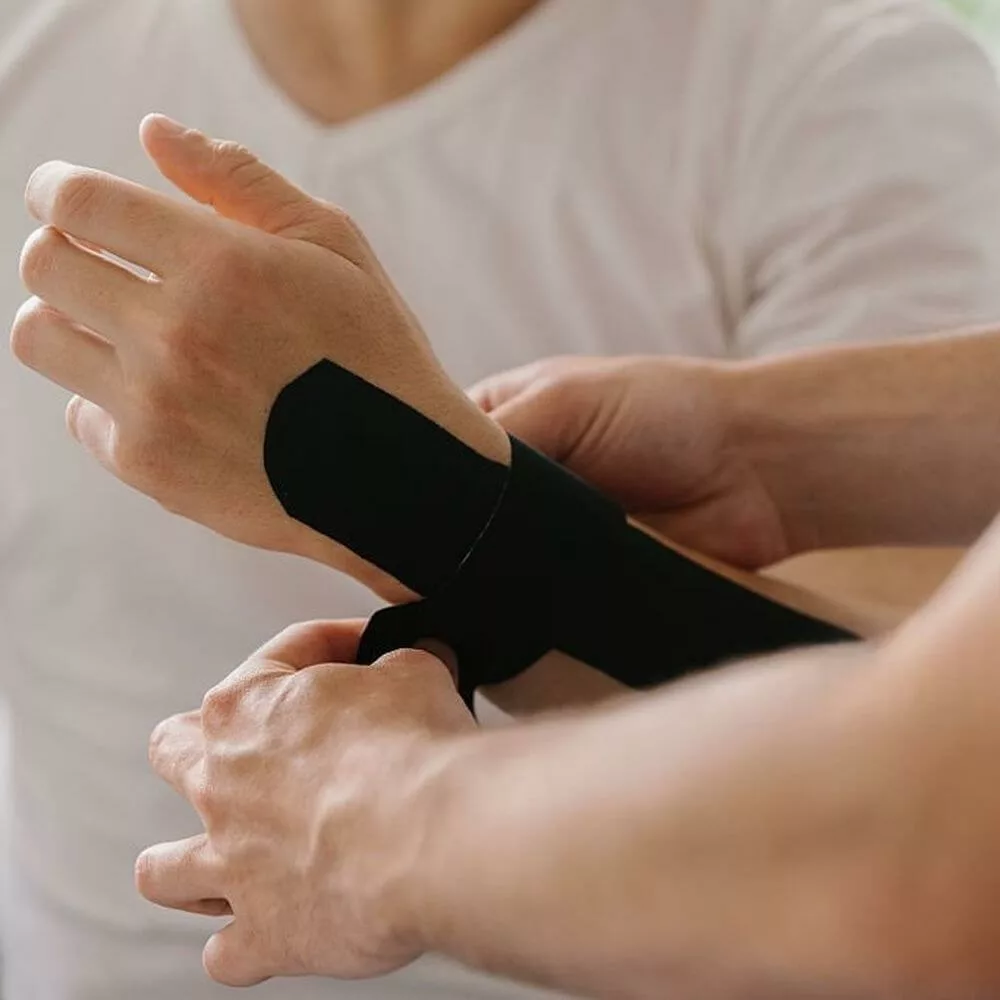
Start by anchoring the tape along tendon lines. This means identifying where your hand and wrist tendons run and applying the tape along these natural pathways, effectively aligning with the direction of movement. Proper anchoring helps maximize support by working with the body’s existing biomechanics rather than against them.

When it comes to tension and stretch, there is both an art and a science involved. Applying too much tension can restrict movement or create discomfort, while too little may reduce effectiveness.

A moderate level of stretch is typically used to provide support without limiting mobility.
Finding this balance often requires practice and adjustment based on individual response.

Different configurations may be required depending on the area being treated, whether fingers, palm, or wrist structures. Each region of the hand and wrist may require a slightly different taping approach.

For example, linear applications are often used along fingers, while broader or more supportive patterns may be applied across the palm or wrist, depending on the intended goal.

Duration of wear is also an important consideration. Kinesio tape is typically worn for several days at a time, allowing continuous support during daily activity and training. However, it should be removed if discomfort, irritation, or reduced effectiveness occurs. In high-intensity training environments, more frequent reapplication may be needed to maintain consistent support.

Boosting Grip Training: How Kinesio Tape Aids

Boosting Grip Training: How Kinesio Tape Aids

Incorporating kinesio tape into grip training can be a useful strategy for athletes looking to manage tendon stress while maintaining performance. One of its key effects is reducing pain inhibition, which is the body’s natural protective response that limits force output when discomfort is detected. By moderating this response, kinesio tape can help maintain a more consistent training output during lifts, hangs, or repetitive grip work.

Another important benefit is improved joint and tendon awareness. Through enhanced sensory feedback, the tape increases proprioceptive input from the hand and wrist, helping athletes become more conscious of positioning and movement quality. This can lead to safer training practices and better control under load, especially during demanding grip exercises.

K-tape is being used all over the world, particularly in a sports environment,
but does it actually work? Let’s find out.

During recovery phases, kinesio tape may allow athletes to continue training with reduced discomfort. While it does not increase strength directly, it can support gradual adaptation by allowing controlled movement during periods when tendons are still sensitive. This can help maintain continuity in training without fully stopping activity.

Kinesio tape also supports continued neural adaptation by reinforcing the connection between the nervous system and tendon structures. This is particularly relevant in grip training, where coordination, timing, and force application are just as important as raw strength. Maintaining movement while providing feedback helps reinforce motor patterns that contribute to long-term grip development.

Recognizing Limitations and Avoiding Misuses

Recognizing Limitations and Avoiding Misuses

Kinesio tape can be highly supportive, but it is important to understand its limitations. It should not replace a comprehensive rehabilitation program or progressive strength training. Relying solely on tape risks ignoring the underlying causes of tendon issues, such as muscular imbalances, overload, or poor movement patterns.

One of the most common issues is using kinesio tape as a substitute for proper tendon rehabilitation. While it may reduce discomfort temporarily, it does not address the structural adaptations needed for long-term tendon health. Without progressive loading and targeted exercise, the root cause of the problem often remains unresolved.

Overdependence on kinesio tape can also mask weaknesses that should be actively corrected. Tendons and surrounding muscles require gradual strengthening through controlled training.

If tape is used to consistently avoid discomfort without addressing these deficits,
it may slow overall progress and reduce long-term resilience.

Incorrect application is another important consideration. Poor placement or excessive tension can restrict natural movement or fail to provide meaningful support. In some cases, this may even increase discomfort rather than reduce it. Proper application technique, or guidance from someone experienced, is important for achieving reliable results.

Skin sensitivity is also a factor. Some individuals may experience irritation, redness, or discomfort from the adhesive. If this occurs, the tape should be removed, and the skin allowed to recover before reapplication is attempted. Continuing use despite irritation can worsen the issue and interfere with training consistency.

In addition, kinesio tape should not be used as a primary solution for severe injuries. Significant tendon damage, suspected tears, or persistent pain that does not improve should be evaluated by a qualified medical professional. In these cases, taping alone is not sufficient for proper recovery.

Ultimately, kinesio tape should be treated as a supportive aid rather than a replacement for proper training and rehabilitation. When used correctly and with realistic expectations, it can complement tendon health strategies. However, long-term progress still depends on structured loading, recovery, and consistent strength development.

Seamlessly Integrating Kinesio Tape into Grip Training

Seamlessly Integrating Kinesio Tape into Grip Training

Bringing kinesio tape into a grip training routine involves more than just applying it before a session. It should be treated as part of a broader strategy aimed at improving tendon health, maintaining training consistency, and supporting long-term grip performance. When used correctly, it can complement both strength work and rehabilitation without replacing the underlying training process.

A strong approach is to combine kinesio tape use with structured mobility and rehab work. Tendons respond best to balanced loading, recovery, and movement quality. While tape may help reduce discomfort and improve awareness during activity, it should always be paired with exercises that strengthen the hand, wrist, and forearm structures directly responsible for grip performance.

This combined approach is particularly useful during phases where tendon sensitivity is present, but training cannot fully stop. Instead of complete rest, athletes can continue modified grip work while gradually rebuilding tolerance. In this context, kinesio tape functions as a supportive aid that allows controlled continuation of movement.

Another effective method is alternating between taped and untaped training sessions. This helps ensure that the body continues adapting naturally rather than becoming dependent on external support. It also allows for a clearer understanding of how the tendons are responding to training stress without assistance. Selective use is another key principle. Not every session requires tape, and in many cases, strategic application is more effective than constant use.

High-demand training sessions, where tendon load is significantly increased, are the most appropriate times to apply kinesio tape.

Situations where selective use may be beneficial:

  • High-volume grip training sessions with sustained flexor and extensor fatigue exposure
    These sessions place prolonged stress on the forearm tendons, making them ideal candidates for additional support to manage cumulative strain.
  • Heavy pulling movements such as deadlifts, rows, and weighted hangs
    These exercises place a high mechanical load through the wrist and fingers, where tape may assist in reducing perceived strain during peak effort.
  • Climbing sessions or extended hanging work requiring long-duration tendon endurance
    The sustained nature of grip demand in these activities makes tendon fatigue more likely, especially in the flexor system.
  • Arm wrestling table practice involving repeated maximal or near-maximal hand fighting
    High-intensity rotational and grip exchanges can stress both flexor and stabilizing tendons under unpredictable angles.
  • Periods of increased training frequency with limited recovery time
    When recovery windows are reduced, tape can act as a temporary support layer to help manage cumulative tendon load.
  • Early return-to-training phases following mild tendon irritation or overuse symptoms
    In these cases, tape can help bridge the gap between rest and full loading by supporting controlled movement during reconditioning.

Monitoring tendon health is also essential when integrating kinesio tape into training.

The goal should always be gradual improvement in function, strength, and tolerance rather than ongoing reliance on external support. Tracking performance and symptoms helps ensure the approach is working as intended.

Key indicators to monitor include grip strength progression, recovery speed between sessions, tolerance to training volume, levels of tendon discomfort, and overall hand function during both loaded and unloaded movements. These markers help determine whether kinesio tape is contributing positively or whether adjustments are needed elsewhere in the program.

If pain persists or worsens despite taping, the issue should not be ignored or masked. Instead, training load, exercise selection, recovery habits, and technique should be reassessed. Kinesio tape can assist with comfort and awareness, but it cannot compensate for structural overload or poor programming.

Ultimately, kinesio tape should remain a supportive tool within a structured grip training system. Its purpose is to enhance movement quality, provide feedback, and assist during higher stress periods, not to replace the fundamental work required to build strong and resilient tendons.

Conclusion: Kinesio Tape, A Posture for Healthy Tendons and a Strong Grip

Kinesio tape emerges as a versatile ally for anyone serious about maintaining tendon health and optimizing grip strength. Its benefits go beyond simple external support, offering a combination of proprioceptive feedback and mild load assistance that can complement structured training and rehabilitation efforts for the hand and wrist.

The real strength of kinesio tape lies in its ability to fit into a holistic approach to tendon care. When paired with consistent strength training, grip work, mobility exercises, and proper recovery, it becomes a supportive addition that can help manage training stress and improve movement awareness without replacing core development work.

It is equally important to maintain ongoing development of both strength and mobility. Tendons require consistent, progressive loading to adapt and become more resilient over time. While tape may assist during specific phases of training or recovery, long-term tendon health depends on structured training habits and gradual progression. Intentional and informed use of kinesio tape helps maximize its benefits while minimizing dependency.

When integrated thoughtfully into a grip training routine, it can support tendon longevity, reduce unnecessary strain during high-demand phases, and contribute to more sustainable performance in both athletic and everyday activities.

Thanks for Stopping By!

How Often Do You Use KT-tape & Why?
Share Your Experience Below!

Need to Improve Your Grip? As a Fitness Enthusiast, I'm Here to Guide You: Looking to Get More Competitive Edge? Prehab, Rehab, Treating RSI or Just Seeking Fun? Find All the Relevant Tricks of the Trade You Need Right Here. Sharing My Insight to Help You to Improve Both Mentally & Physically, Offering You Various Ideas & Directions to Be on Top of Your Game.

Leave a Reply

Your email address will not be published. Required fields are marked *