(Last Updated on June 12, 2026 by Henry)
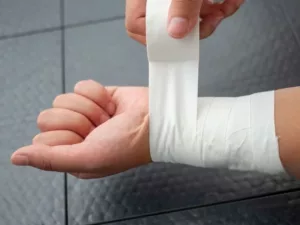
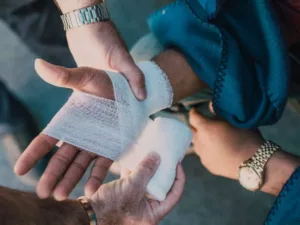
Athletes, climbers, and lifters often count on various methods to enhance their performance and prevent injuries. Taping is one of these methods, offering much-needed support during intense physical activity.
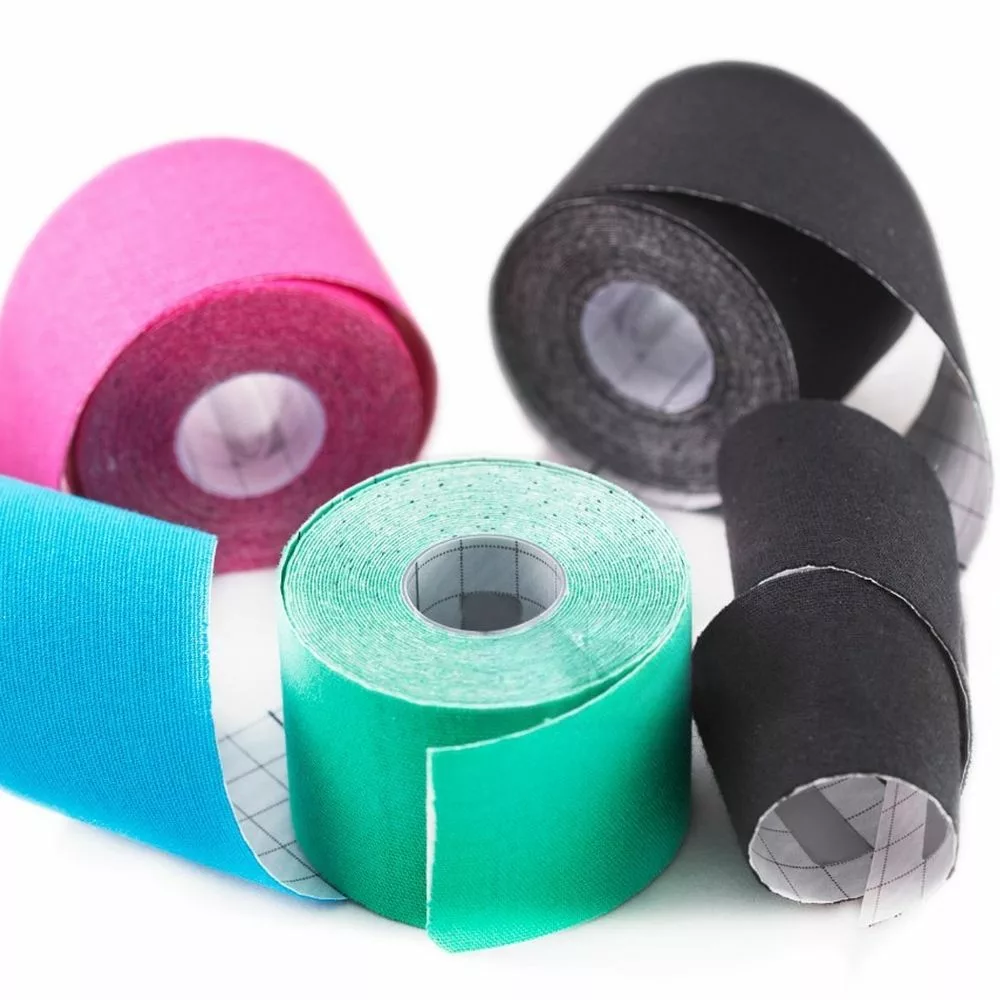
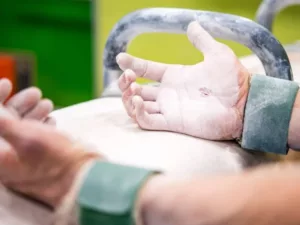
Whether gripping a barbell, hanging from a climbing hold, or performing demanding grip training exercises, the tape can make a significant difference.
There’s widespread confusion when it comes to choosing between athletic tape and Kinesio tape.
Both have unique characteristics and applications, yet using the wrong type can lead to problems like impaired grip or delayed recovery.
It’s not just about slapping on any tape; it’s about picking the right one for your specific needs.
Athletic tape and Kinesio tape serve different purposes. Think of them as targeted tools in your training arsenal rather than catch-all solutions. Understanding the advantages of each can help you make informed decisions, aiding in the pursuit of improved performance, hand health, and reduced injury risk. In this way, selecting the appropriate tape becomes an integral part of effective training, grip development, and recovery.
Choosing the wrong type of tape doesn’t just reduce effectiveness:
it can actively limit grip performance or delay recovery.
How Grip Strength Is Influenced by Support and Sensory Feedback
Grip strength isn’t just about brute force; it’s intricately linked to the coordination between your finger joints, tendons, and the tactile sensation in your skin. Effective gripping involves a delicate balance of stability and movement, and that’s where taping can play a crucial role in both grip training and hand health.
Over-tight taping can actually diminish grip strength by restricting movement more than necessary. It’s essential to maintain enough flexibility to allow your fingers to bend and flex naturally. This flexibility supports the transmission of force effectively from your hand to the object you’re gripping, whether during strength training, climbing, or other grip-intensive activities.
You don’t have to be a nerd or a physical therapist to understand what the research says
about kinesiology tape, so let’s see why some people think this tape works magic
and why some people think it’s just a sham.
Your skin is packed with sensory receptors that provide feedback crucial for grip control. When you hold something, these receptors tell your brain about pressure, texture, and movement, helping to adjust your grip as needed. The right tape can enhance or, if not chosen correctly, impede this sensory feedback, affecting both performance and hand function.
For optimal performance, the choice of tape should reflect what you’re looking to achieve in your training or rehab. Are you seeking stability for a heavy lift, or do you need more sensory feedback for a complex grip task like climbing? Matching tape type to your specific goals can leverage the benefits of taping without unnecessary compromise. Understanding this relationship is important when comparing athletic tape vs kinesio tape for grip strength, rehabilitation, and long-term hand health.
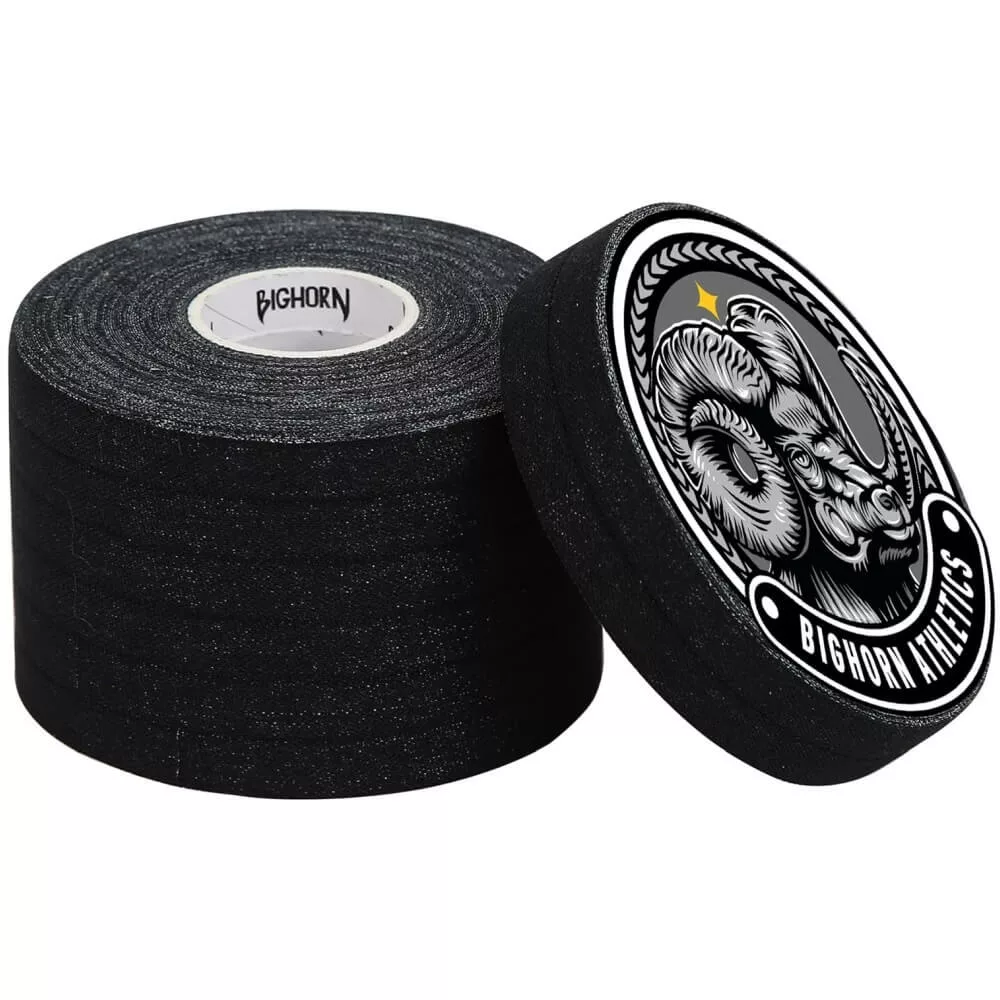
BJJ Finger Tape for Reliable Grip Protection

Train Harder, Tape Smarter: Pro-Grade KT Support for Grip
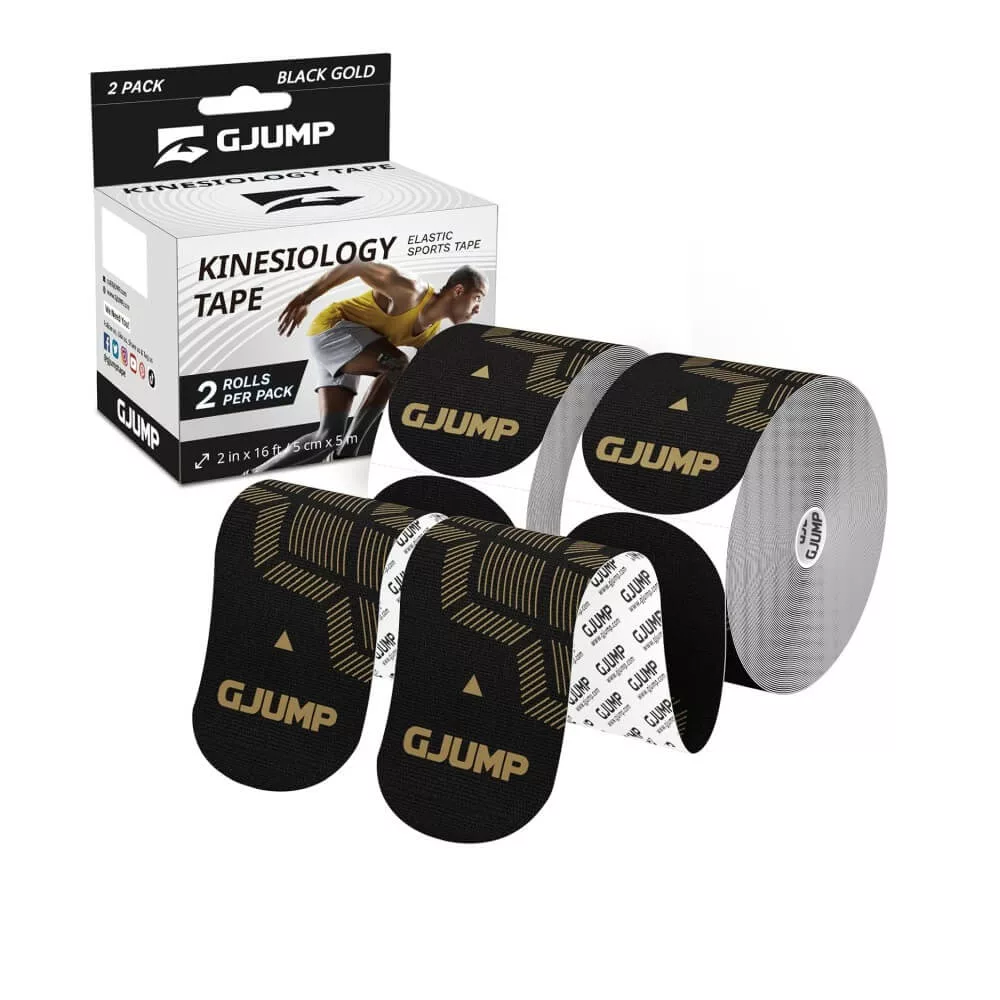
Precut Kinesiology Tape: No Measuring, Just Peel & Apply
Conclusion: Choosing the Right Tape for Stronger, Healthier Hands
Selecting the right tape isn’t a clear-cut choice of which is better overall; it’s about fitting the tape to your specific needs in grip training, rehabilitation, and hand health. Both athletic and kinesio tapes have their place and benefits, and understanding these is key to maximizing their potential in strength training, climbing, and other grip-intensive activities.
Maintaining healthy, strong hands requires thoughtful decision-making. Using the correct tape can be a pivotal tool in your training arsenal, helping prevent injuries or aid recovery in the hands, wrists, and forearms, without undermining your natural grip strength or long-term performance development.
Approach taping as a supportive tool that enhances your training journey. The end goal is to build long-term hand resilience and strength through smart, intentional choices. Tape should be an ally in achieving these aspirations, aiding progress without becoming a crutch in athletic performance or rehabilitation.
Thanks for Stopping By!
How Often Do You Use Athletic Tape & Why?
Share Your Experience Below!