(Last Updated on October 11, 2026 by Henry)
Strengthen the Often-Overlooked Side of Hand Training
Grip training often focuses on closing the hand. You squeeze grippers, hold weights, hang from bars, carry objects, and use your fingers to maintain control.
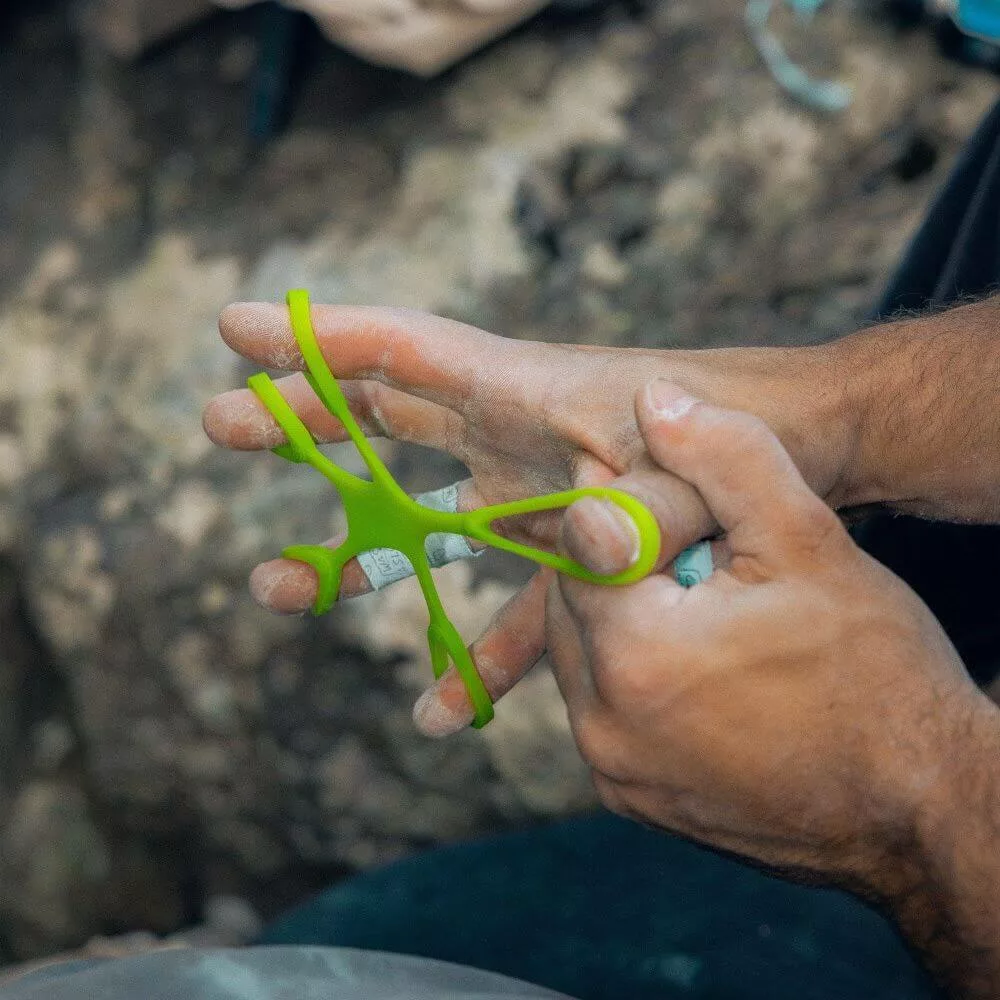
These activities can be valuable for developing grip strength, but they represent only part of how your hands are designed to move.
Your fingers also need to open, extend, spread, and relax.
Including these movements in your routine can help you explore a broader range of hand activity and complement the gripping demands of training, work, hobbies, and everyday life.
Finger extension is not a magic solution for hand discomfort, and it does not automatically prevent injuries.
However, it provides a useful movement category for anyone who spends considerable time gripping, typing, gaming, climbing, lifting, or working with their hands.
In this guide, we’ll explore why finger extension matters, how it relates to recovery and movement balance, and how beginners can incorporate simple extension exercises without creating unnecessary additional workload.
Stiff finger joints?
Here are exercises that can help you get finger joints straight without special equipment.
3. Practical Finger Extension Exercises
Finger extension work can be simple. You do not need specialized equipment to begin exploring the movement, and you do not need to train until your fingers feel exhausted.
Start with a comfortable range of motion and focus on smooth, controlled movement. If an exercise causes pain, unusual discomfort, numbness, or tingling, stop and reassess rather than forcing yourself to complete the planned repetitions.
Gentle Finger Opening and Closing
One of the simplest ways to practice finger extension is to slowly open and close the hand.
Begin with your hand in a relaxed, comfortable position. Gently curl the fingers inward without squeezing tightly, then slowly open the hand and allow the fingers to straighten.
You can perform the movement while seated, standing, or taking a break from desk work.
Focus on the quality of the movement:- Open the fingers without snapping them straight.
- Avoid clenching the hand aggressively during the closing phase.
- Move at a steady pace.
- Keep the wrist relaxed unless the exercise specifically calls for wrist movement.
- Use a comfortable range rather than forcing the fingers into a stretch.
A few controlled repetitions may be enough when you are starting. The purpose is to practice movement and awareness, not to create significant fatigue.
You can also pause briefly with the fingers open before returning to a relaxed position. This gives you an opportunity to notice whether you are holding unnecessary tension in the hand.
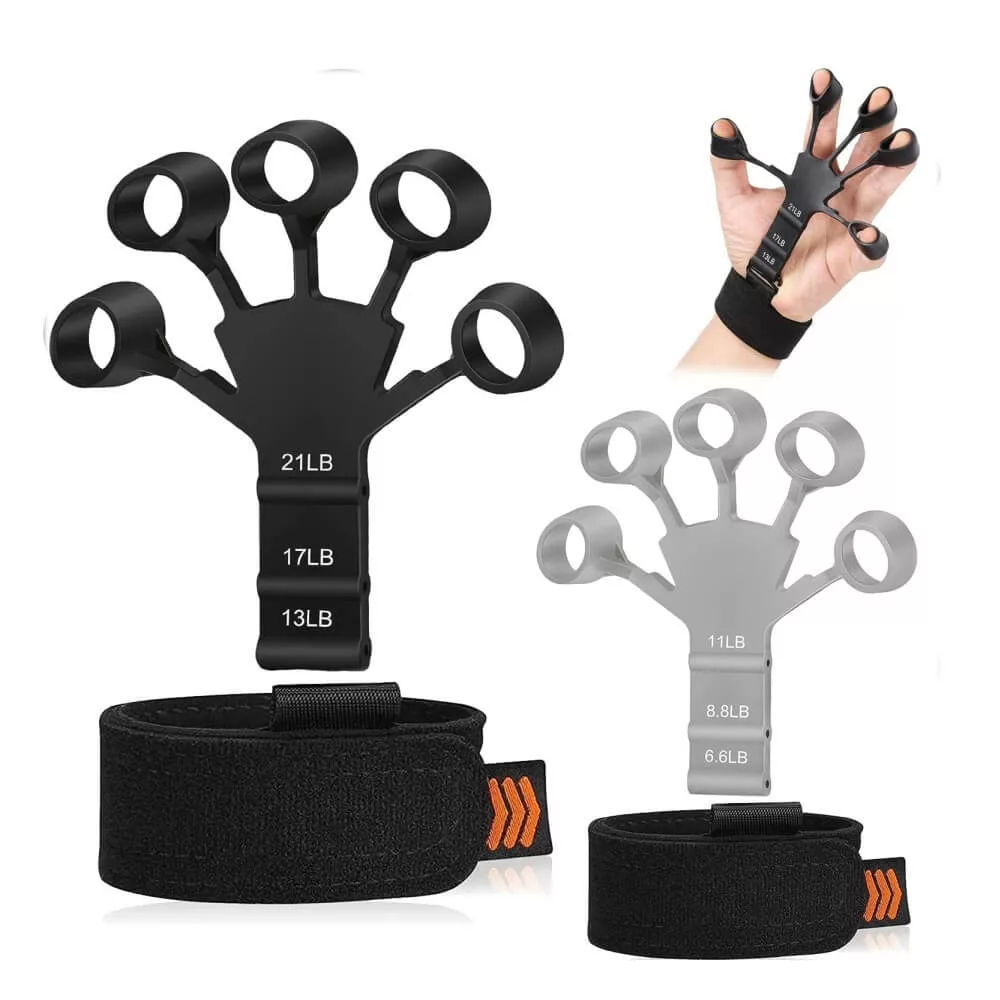
Fun & Affordable Way to Rehab Weak Hands
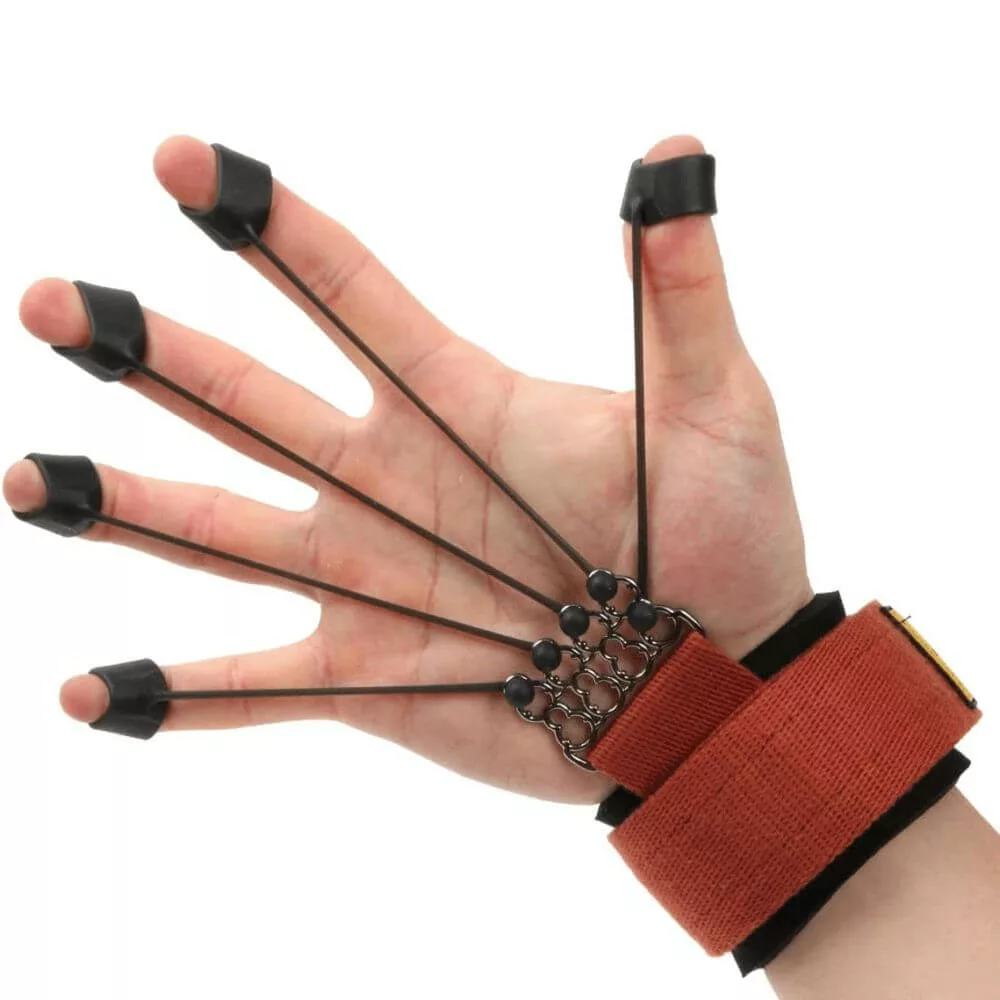
Fancy Finger Exerciser to Build Functional Grip Strength
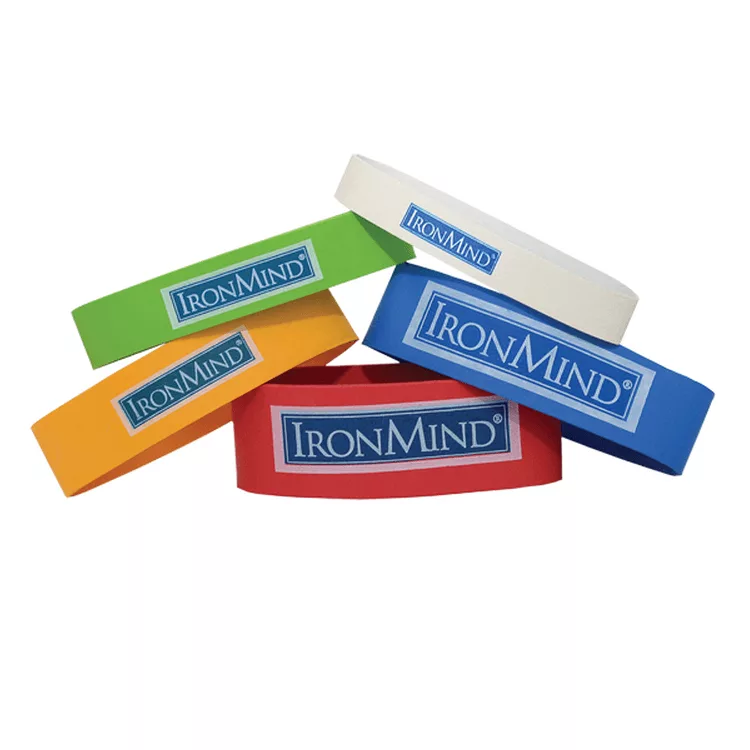
Why are Handbands Staple to Build Hand Muscle Balance?
Finger Spreading
Finger spreading involves moving the fingers apart and then bringing them back toward a relaxed position.
Begin with your hand open but comfortable. Slowly spread the fingers slightly, pause if useful, and then release the movement without forcing the fingers as far apart as possible.
The movement can be subtle. You do not need to create a dramatic stretch or maintain a wide hand position for a long time.
Finger spreading may be useful as a movement break during activities that keep the fingers close together or in a relatively fixed position. You can perform a few gentle repetitions during a pause from typing, gaming, or other repetitive tasks.
Pay attention to how the fingers move together. If one finger feels significantly different from the others, avoid forcing it to match the rest. Differences in movement can have many possible explanations, and persistent limitations should be evaluated rather than addressed solely through self-directed exercise.
Elastic Finger Extension Bands
Elastic finger extension bands provide resistance as you open the fingers. They are an optional tool for people who want to add direct resistance to their extension training.
The band is generally placed around the fingers so that opening the hand stretches the material. As the fingers move apart or straighten, the band provides resistance that the muscles must control.
The amount of resistance matters. A band that is too strong may make the movement jerky, limit your range, or cause you to compensate with the wrist and other parts of the hand.
When beginning:- Choose a manageable resistance.
- Position the band comfortably according to the manufacturer’s instructions.
- Open the fingers slowly.
- Avoid forcing the hand into a wide position.
- Return to the starting position with control.
- Stop before the fingers become excessively fatigued.
You do not need to perform a large number of repetitions simply because the resistance feels lighter than a gripper. Finger extension still contributes to your total hand workload.
Extension bands can complement a grip routine, but they should not be treated as mandatory rehabilitation equipment or as a guarantee against finger and hand problems.
Low-Intensity Finger Mobility During Breaks
Finger extension does not always need to be a formal exercise session. Gentle movement during breaks can be a practical way to change your hand position after prolonged activity.
For example, after typing or gaming, you might relax your hands, open and close the fingers slowly, and spread them gently before returning to your task.
During a workday, you can also vary your hand position and take short breaks from sustained gripping. These actions may be more sustainable than trying to perform a complete mobility routine several times throughout the day.
Keep the movements relaxed. The goal is to introduce variety, not to turn every break into another training demand.
If you already have persistent discomfort, do not assume that movement breaks or extension exercises will resolve it. Adjusting the activity and seeking appropriate guidance may be more important than adding exercises.
Build Better Finger Balance Into Your Grip Training
Grip training should involve more than repeatedly closing the hand. Crushing, pinching, hanging, carrying, and other gripping activities have an important place in strength development, but finger opening and spreading provide additional movement options that are worth including.
Finger extension exercises can be simple and accessible. You can begin with gentle opening and closing movements, practice finger spreading, or use a light extension band when appropriate. The most important factors are controlled movement, manageable resistance, and a workload that fits your current level of activity.
You do not need to exhaust your fingers to make extension training worthwhile. A small amount of consistent work may be enough to complement your routine, especially when combined with movement variety and sensible recovery habits.
Remember that your hands are active throughout the day. Training, work, gaming, typing, climbing, and everyday tasks all contribute to your total workload. Consider those demands before adding more exercises, and adjust your routine when your hands are not recovering well.
Finger extension is one useful part of a balanced approach to grip training and long-term hand health.
If you experience persistent pain, swelling, numbness, tingling, unusual weakness, or loss of function, do not rely on extension exercises alone. Seek assessment from a qualified healthcare professional.
Key Takeaway
Train the movements you need; include the movements you often overlook, & progress without creating unnecessary stress.
Finger extension adds a valuable movement category to grip training by helping you practice opening and spreading the fingers alongside the gripping actions you perform most often.
Start gently, use manageable resistance, and adjust the workload according to your overall training and daily activities.
Thanks for Reading!
Do You Train Finger Extension Regularly?
Share Your Thoughts in the Comments!