(Last Updated on October 12, 2026 by Henry)
Your Hands Do More Than Just Squeeze
Most people think grip training begins and ends with a hand gripper.
It’s an understandable assumption.
After all, when someone says “grip strength,” the first image that comes to mind is usually someone squeezing a spring-loaded device until their forearms are burning.
But your hands are capable of far more than that.
Every day, your hands typically carry groceries, turn door handles, type emails, swing rackets, climb walls.
They use tools and manipulate countless objects of different shapes and sizes.
In many ways, your hands are one of the most versatile movement systems in your entire body.
And yet, many beginners only train a single movement: squeezing.
That’s a bit like training your legs exclusively with squats and ignoring everything else.
Every finger, joint, and muscle has a role to play. Your thumb opposes your fingers. Your wrists provide stability and rotation. Your forearms generate strength and endurance.
Together, they create a remarkable system capable of producing force, control, and precision.
Understanding the six primary hand movements can completely change how you approach grip training.
Suddenly, you’re no longer asking: “How do I make my grip stronger?”
Instead, you’re asking: “Which part of my grip needs the most attention?”
That shift in thinking is where real progress begins. For beginners, this is an important realization. Balanced hands don’t just improve sports performance; they can make everyday tasks easier, reduce fatigue, and help maintain hand health for years to come.
When it Comes to Looking Strong, Forearms are the Real Cheat Code
“Your hands don’t care what activity you’re performing.
They simply respond to the demands you place upon them.”
The 6 Primary Hand Movements
Every task your hands perform relies on one or more of the following movement patterns. Understanding them will help you identify weaknesses, train more effectively, and develop stronger, more reliable hands over time.
1. Crush Grip
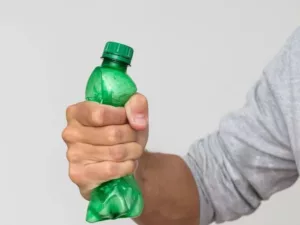
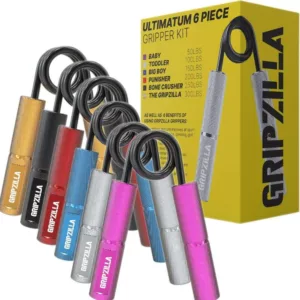
Crush grip is the ability to close your hand around an object and apply force.
You always do this when:
- Shaking hands.
- Closing a hand gripper.
- Holding gym equipment.
- Squeezing a stress ball.
Crush grip is often the first type of grip people train, making it an excellent entry point for beginners.
2. Pinch Grip
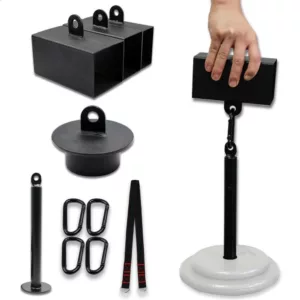
Pinch grip involves holding objects between your fingers and thumb without significant assistance from the palm.
You’ll use pinch grip when:
- Picking up coins.
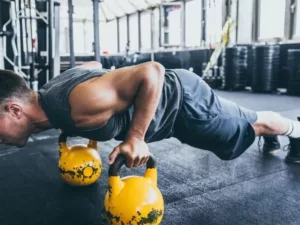
- Carrying weight plates.
- Holding keys.
- Turning pages.
Pinch strength is closely tied to dexterity and thumb development, both of which play a major role in everyday hand function.
3. Support Grip Endurance
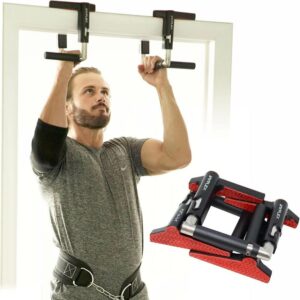
Support grip refers to your ability to maintain a hold over time.
Common examples are:
- Carrying groceries.
- Farmer’s carries.
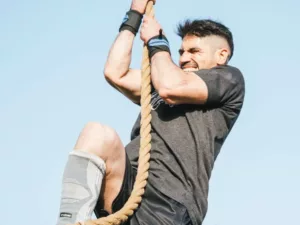
- Dead hangs.
- Pull-ups.
- Carrying luggage.
For many people, support grip endurance is where weakness becomes most noticeable.
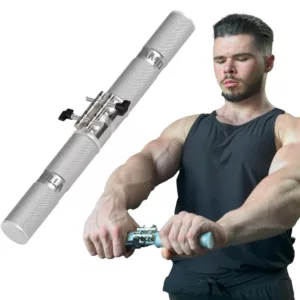
4. Twist Grip Training
Twist grip focuses on wrist torque and rotational strength.
You’ll use this movement when:
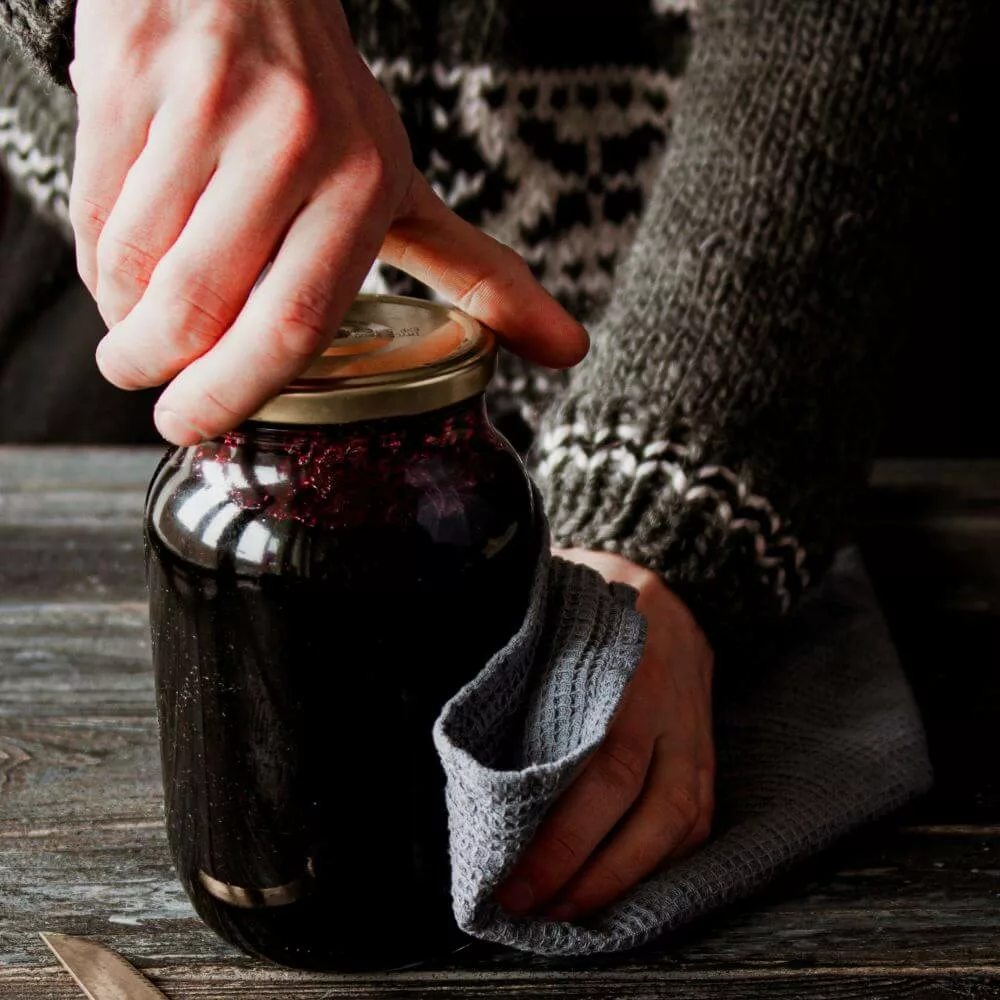
- Opening jars.
- Turning doorknobs.
- Using screwdrivers.
- Performing wrist exercises.
- Manipulating tools.
Twist grip is frequently overlooked despite being incredibly useful in both everyday life and sports.
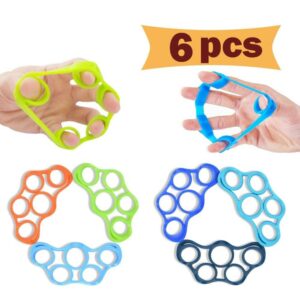
5. Finger Extension Training
Grip isn’t just about closing your hand; it’s also about opening it.
Finger extension helps:
- Improve hand balance.
- Support joint health.
- Reduce muscular imbalances.
- Promote better hand function.
Many beginners are surprised to discover they’ve never intentionally trained this movement before.
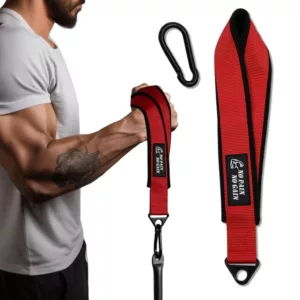
6. Pronation & Supination Training
Pronation and supination describe the rotational movements of the forearm.
Pronation occurs when you are:
- Turning a key.
- Using a screwdriver.
- Arm wrestling.
- Using hand tools.
- Opening doors.
These movements contribute to wrist stability, rotational power, and overall hand control.
“The goal isn’t to master one movement but to develop hands that are capable,
balanced, and prepared for whatever life throws at them.”
Once you understand these six movements, you’ll begin noticing them everywhere.
Suddenly, opening a jar isn’t just opening a jar but a combination of pinch, twist, and support strength working together.
Building Balanced Grip Strength
Building stronger hands doesn’t require an elaborate training plan or a room full of equipment. More often than not, it comes down to consistency and balance.
The biggest mistake beginners make is putting all their attention into a single movement—usually crush grip. While hand grippers are excellent tools, they represent just one piece of a much larger puzzle.
Instead, aim to expose your hands to all six movement patterns throughout the week.
A balanced beginner routine might include:
- Dead hangs for support grip endurance.
- Hand grippers for crush grip.
- Pinch blocks for thumb and finger strength.
- Wrist work for twist grip.
- Finger extension bands for hand balance.
- Light pronation and supination exercises for rotational strength.
Over time, it develops hands that are not only stronger, but also more reliable and resilient.
Remember:
- Train movements, not just muscles.
- Prioritize consistency over intensity.
- Address weaknesses rather than avoiding them.
- Think long-term.
The good news is that hand training scales extremely well. Whether you’re a complete beginner or an experienced athlete, there’s always another level to reach.
And once you begin seeing your hands as a movement system, you’ll never look at grip strength the same way again.
Key Takeaway
Understanding the six primary hand movements is one of the most important milestones in grip training.
It transforms your perspective from:
“I need stronger hands.” to “I need stronger, more balanced hands.”
And that small change in thinking can make all the difference.
Thanks for Reading!
Which Grip Exercise Has Made a Difference for You?
Share Your Thoughts in the Comments!