(Last Updated on September 30, 2026 by Henry)

Why Grip Training Can Stress the Elbow & How to Adjust Your Workload

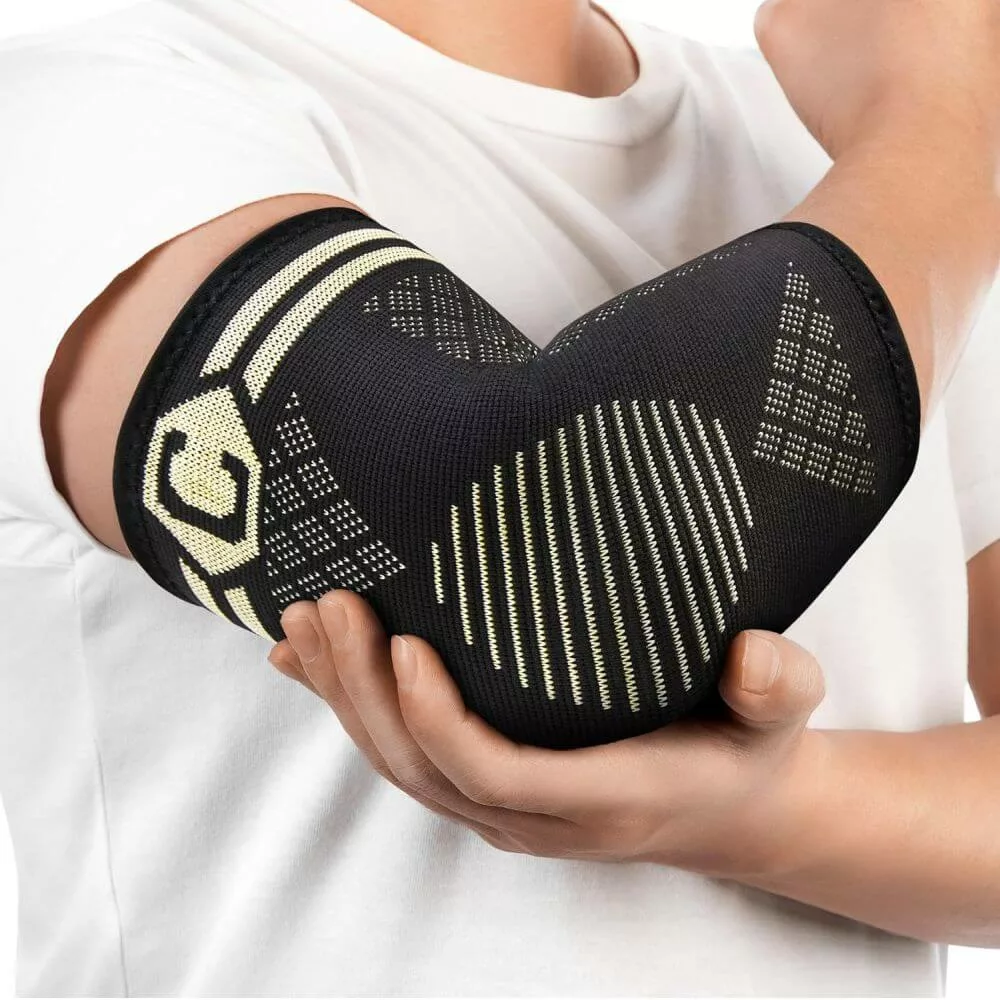
Elbow discomfort is surprisingly easy to overlook when you’re focused on training hands.
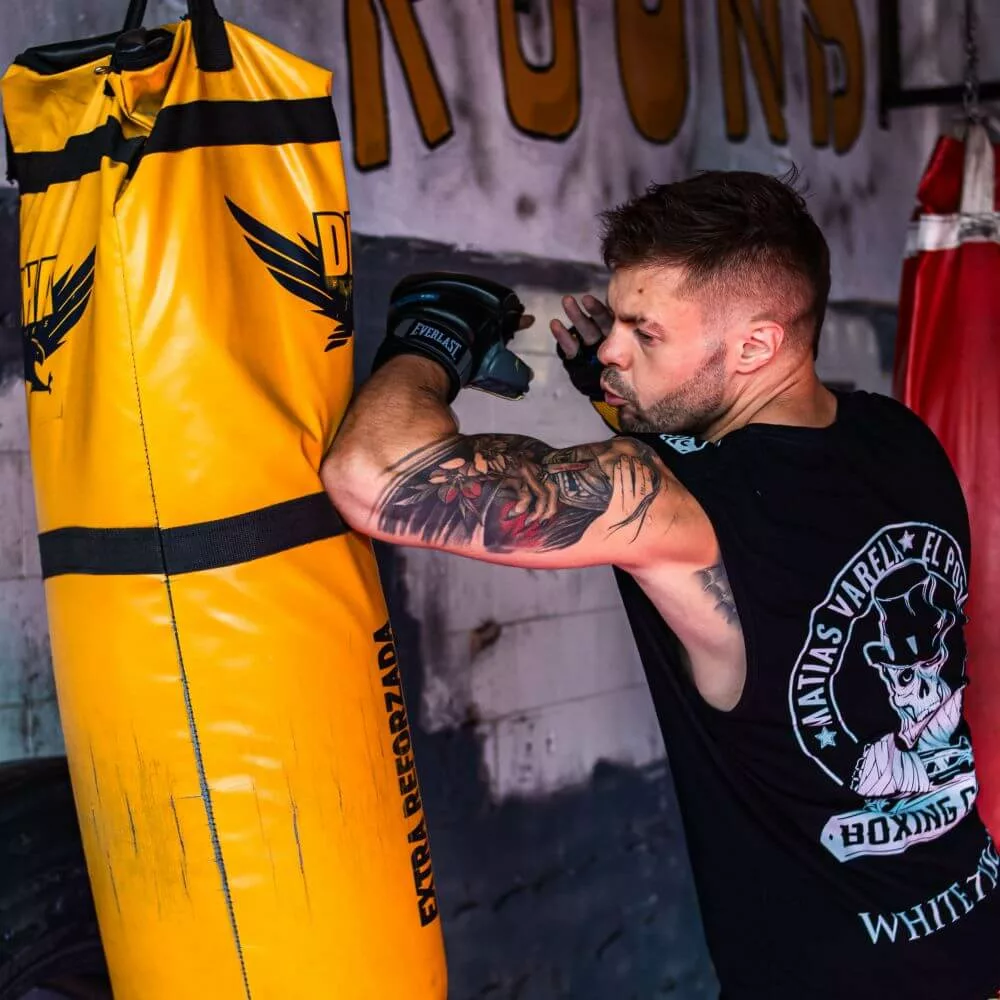
You may think of grip training as something that happens primarily in your fingers, hands, and wrists.

But many of the muscles responsible for gripping and controlling your wrist run through the forearm and attach around the elbow.

That means your elbows can become part of the workload even when the exercise itself looks like a simple hand-strengthening movement.

This becomes especially important when grip training is combined with lifting, pulling, climbing, grappling, gaming, computer work, or repetitive manual activities.

Table of Contents – Explore What's Covered Below

Your elbow doesn’t know which activity created the workload. It simply responds to the total amount of stress placed on the tissues involved.

The goal isn’t to panic every time your elbow feels uncomfortable.

It’s to recognize when your training load may need adjusting, reduce the aggravating workload, and give yourself a better path back to consistent training.

A lot of people are surprised when elbow pain starts showing up once they go up in weight
with their weightlifting, even though they’re feeling great because their shoulders,
pecs & back muscles are getting really strong. The problem is weak grip.

1. Why Grip Training Can Affect Your Elbows

1. Why Grip Training Can Affect Your Elbows

Grip strength is produced by a chain of muscles and joints rather than by the hand alone. Understanding that connection makes it easier to see why elbow discomfort can sometimes appear during grip-focused training.

Your Forearm Muscles Connect to the Elbow

Many of the muscles that flex and extend your fingers and wrist are located in the forearm.

Their tendons cross the wrist and connect the muscles to structures farther down the arm. Some of those muscles originate around the elbow, which means repeated gripping and wrist movement can contribute to the workload experienced there.

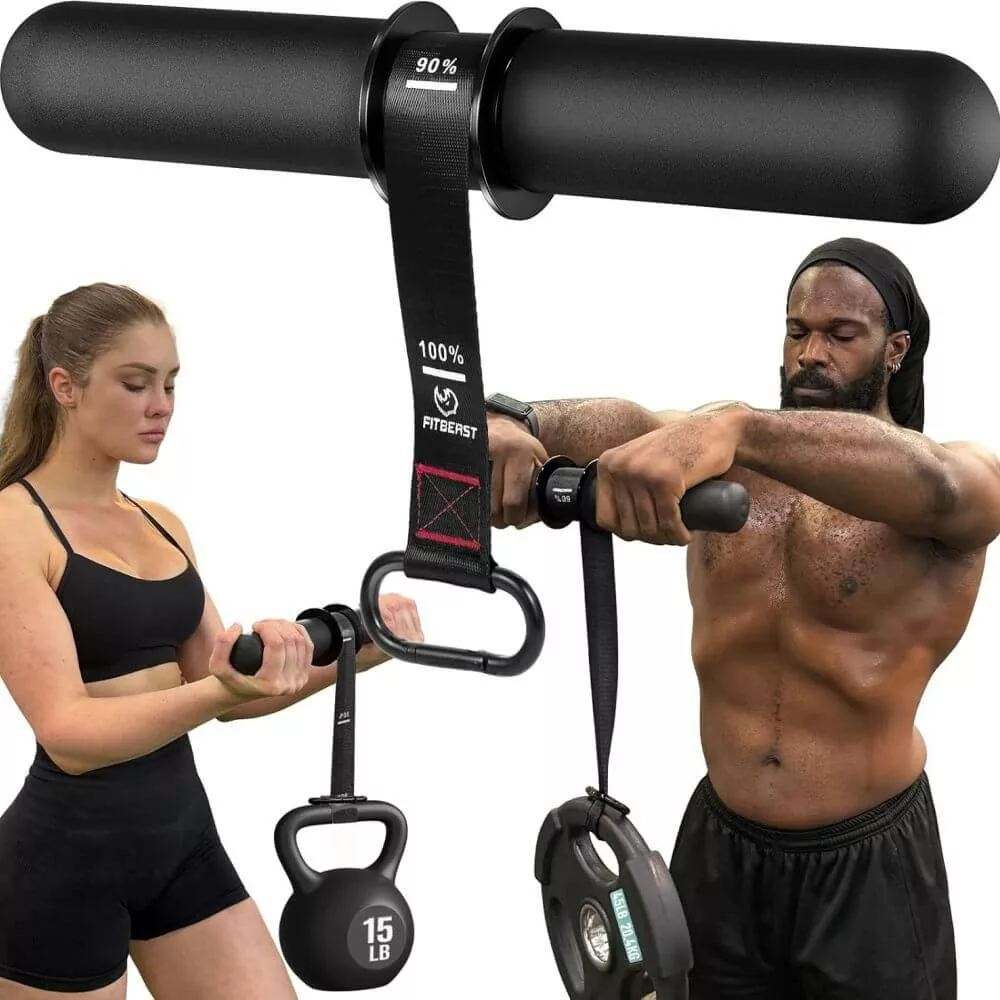
A hard gripper session, for example, may feel like a purely hand-focused workout. Your fingers are doing the obvious work, but the forearm muscles responsible for producing and controlling that force are working too.

This doesn’t mean grip training is inherently bad for your elbows. It simply means that your elbow needs to be considered when you plan the overall workload.

Grip Strength Is More Than Hand Strength

A stronger grip usually involves more than simply squeezing harder.

Crushing, pinching, supporting a load, twisting, extending the fingers, and controlling the wrist all place somewhat different demands on your hands and forearms.

That variety can be useful, but rapidly adding several demanding movements can also increase the total workload faster than you realize.

If your grip routine includes grippers, wrist exercises, loaded carries, pull-ups, deadlifts, and other pulling movements, the combined demand can be much greater than any individual exercise suggests.

Repetition Adds Up

A single training session is only part of the picture.

If you train your grip three times a week while also lifting weights, climbing, playing a gripping-heavy sport, or spending long hours using a mouse and keyboard, your forearms may rarely get a true reduction in workload.

This is one reason elbow discomfort can sometimes appear even when you’ve made no obvious change to your grip routine.

The training session may be the final addition to an already busy workload.

2. What Can Make Elbow Pain More Likely?

2. What Can Make Elbow Pain More Likely?

Elbow discomfort doesn’t necessarily mean that one particular exercise is responsible. Often, the more useful question is whether the overall workload has changed faster than your body has adapted.

Sudden Increases in Grip Training

Increasing resistance, repetitions, sets, or training frequency can all increase the demand on your forearms.

You don’t necessarily need to make a dramatic change, either. A small increase in several variables at once can produce a substantial increase in total work.

This is why gradual progression is useful. It gives you a chance to see how your elbows respond before adding another layer of stress.

Too Much Wrist Work

Wrist training and grip training often overlap.

If you’re already performing a significant amount of gripping, adding several high-volume wrist exercises can increase the workload on the same general group of forearm tissues.

That doesn’t mean wrist exercises should be avoided. It means they should be considered part of your total training volume rather than treated as completely separate from grip work.

Combining Several Grip-Heavy Activities

Your weekly workload might look reasonable when viewed one activity at a time.

But consider a week that includes heavy pulling at the gym, dedicated gripper training, climbing, and several hours of manual work. Each activity may be manageable individually, while the combination creates a much greater demand.

Your recovery needs to account for the whole picture.

Repeating the Same Stress

Doing the same movement repeatedly can also matter.

If most of your training involves similar gripping positions, similar wrist angles, and similar loading patterns, you may repeatedly stress the same tissues without much variation.

A balanced routine doesn’t require endless exercises. Sometimes it simply means avoiding excessive concentration on one demanding movement.

  • More resistance than usual
  • More sets or repetitions
  • More frequent training
  • A new grip exercise
  • More pulling or lifting outside your grip sessions
  • More climbing, grappling, or manual work
  • Less recovery between demanding sessions
3. What Should You Do When Your Elbow Starts Hurting?

3. What Should You Do When Your Elbow Starts Hurting?

When elbow discomfort appears, the most useful first step is usually to reassess what you’ve been asking your arms to do.

You don’t automatically need to stop every form of activity, but continuing exactly the same workload and simply hoping the discomfort disappears isn’t a particularly useful strategy either.

Don’t Automatically Train Through It

There’s an important difference between ordinary training fatigue and pain that is persistent, worsening, or affecting how you move.

If an exercise consistently produces or increases elbow pain, treating that response as something to ignore can make it harder to understand what is actually irritating the area.

Instead, use the symptom as feedback.

Reduce the Most Aggravating Load

You don’t necessarily need to eliminate all hand and forearm activity.

Start by identifying which movements or activities seem most closely associated with the discomfort. You can then reduce the resistance, volume, frequency, or intensity of those activities.

This is often more useful than completely abandoning everything and then having to rebuild your entire routine later.

Keep What You Can Tolerate

If some movements are comfortable while another movement clearly aggravates the elbow, there may be no reason to treat them all identically.

A lighter version of your normal routine, gentle movement, or a different grip pattern may allow you to remain active while reducing the most demanding part of the workload.

The important point is not to turn this into a test of how much discomfort you can tolerate.

Reassess Before Returning to Hard Training

Once the elbow feels better, don’t assume that immediately returning to your previous workload is the best next step.

A gradual return gives you an opportunity to see whether the original workload was simply too much at that point.

If symptoms return as soon as you restore the previous training volume, that’s useful information that the progression may need to be slower.

4. Adjust Your Grip Training Instead of Abandoning It

4. Adjust Your Grip Training Instead of Abandoning It

Elbow discomfort doesn’t automatically mean you have to give up grip training.

In many situations, the better approach is to change the training variables while keeping the broader goal intact.

Reduce Resistance

If your usual gripper or wrist exercise requires near-maximal effort, temporarily using a lighter resistance can substantially change the demand.

You can still practice the movement without making every repetition a high-intensity effort.

This is especially useful when your normal training includes frequent maximal or near-maximal attempts.

Reduce Volume

Another option is simply doing less.

Fewer sets, fewer repetitions, or a shorter session can reduce the total workload without requiring you to abandon the exercise completely.

Volume is often overlooked because individual repetitions may not feel particularly difficult. But repeated work adds up.

Change Exercise Selection

You can also change the way you train the same quality.

For example, if one particular grip exercise repeatedly aggravates your elbow, another movement may allow you to continue working on hand strength with a different resistance profile or wrist position.

The goal is to train the quality you care about without unnecessarily repeating the exact stress that caused the problem.

Change Your Training Frequency

Sometimes the problem isn’t what you’re doing but how often you’re doing it.

Moving demanding grip sessions farther apart can give your elbows more time to recover between exposures.

This can be particularly important when grip training is only one part of a much larger training schedule.

Keep the Goal, Change the Method

Your goal might be a stronger crushing grip, better support endurance, stronger fingers, or improved grip reliability.

The exercise you originally chose is only one way to work toward that goal.

When something starts causing problems, changing the method can be smarter than insisting that the original exercise must remain unchanged.

5. Don't Forget Everything Else Your Elbows Do

5. Don’t Forget Everything Else Your Elbows Do

Your dedicated grip workout is only one source of forearm and elbow workload.

A useful recovery plan therefore has to look beyond the grip-training session itself.

Pulling and Strength Training

Rows, pull-ups, deadlifts, carries, and other exercises can all require substantial grip effort.

If you’re already performing a high volume of pulling or loaded exercises, adding several demanding grip sessions on top may produce more total workload than expected.

Climbing and Grappling

Climbing and grappling can place considerable demands on the fingers, hands, wrists, and forearms.

Adding dedicated grip training to these activities may be useful, but the additional workload needs to fit into the overall schedule.

A grip session that looks moderate by itself may not be moderate when added immediately after several demanding climbing or grappling sessions.

Gaming and Computer Use

Long periods of mouse and keyboard use can also involve repetitive hand and forearm activity.

This doesn’t mean ordinary computer use is necessarily responsible for elbow pain. It simply means that extended periods of repetitive activity belong in the workload calculation.

Regular breaks and changes in position can help prevent long periods of uninterrupted hand use from becoming your unnoticed baseline workload.

Manual Work

Tradespeople, mechanics, warehouse workers, gardeners, and anyone performing repetitive hand-intensive work may already accumulate substantial forearm activity before they begin training.

If your job requires frequent gripping, twisting, carrying, squeezing, or tool use, your training plan needs to coexist with that physical demand.

Your elbow doesn’t know whether the workload came from a gripper, a wrench, a pull-up bar, or a day of manual work.

6. Support Movement Without Trying to “Fix” the Elbow

6. Support Movement Without Trying to “Fix” the Elbow

When you’re managing elbow discomfort, it can be tempting to search for one exercise or tool that will solve everything.

A more useful approach is to maintain comfortable movement while reducing excessive workload.

Wrist Mobility

Gentle wrist movement can help you maintain normal movement through the wrist and forearm.

If your routine has become heavily focused on squeezing and gripping, adding controlled movement in other directions can provide useful variety.
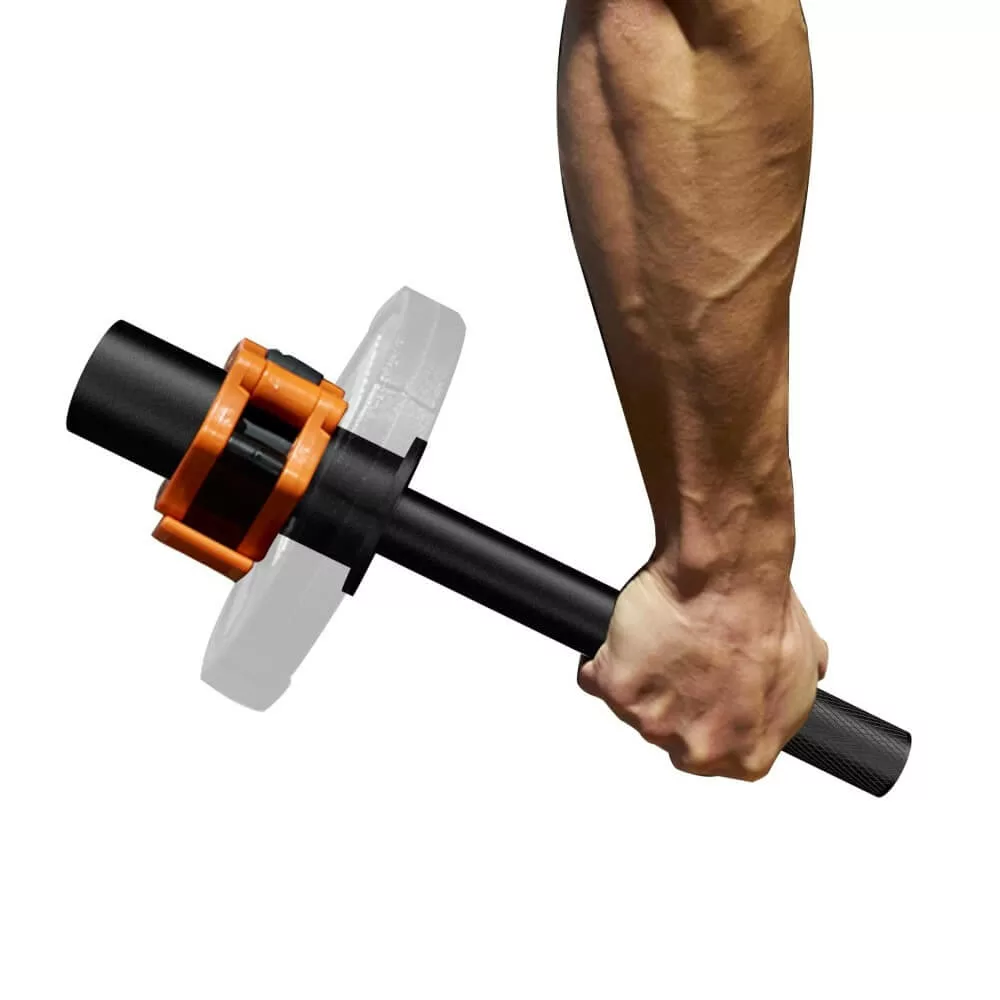
For a deeper look at this topic, see Wrist Mobility for Grip Training.

Finger Extension

Grip training tends to emphasize closing the hand, so finger extension can provide a useful counterpoint.

Simple extension work can complement a grip-focused routine without requiring maximal effort.
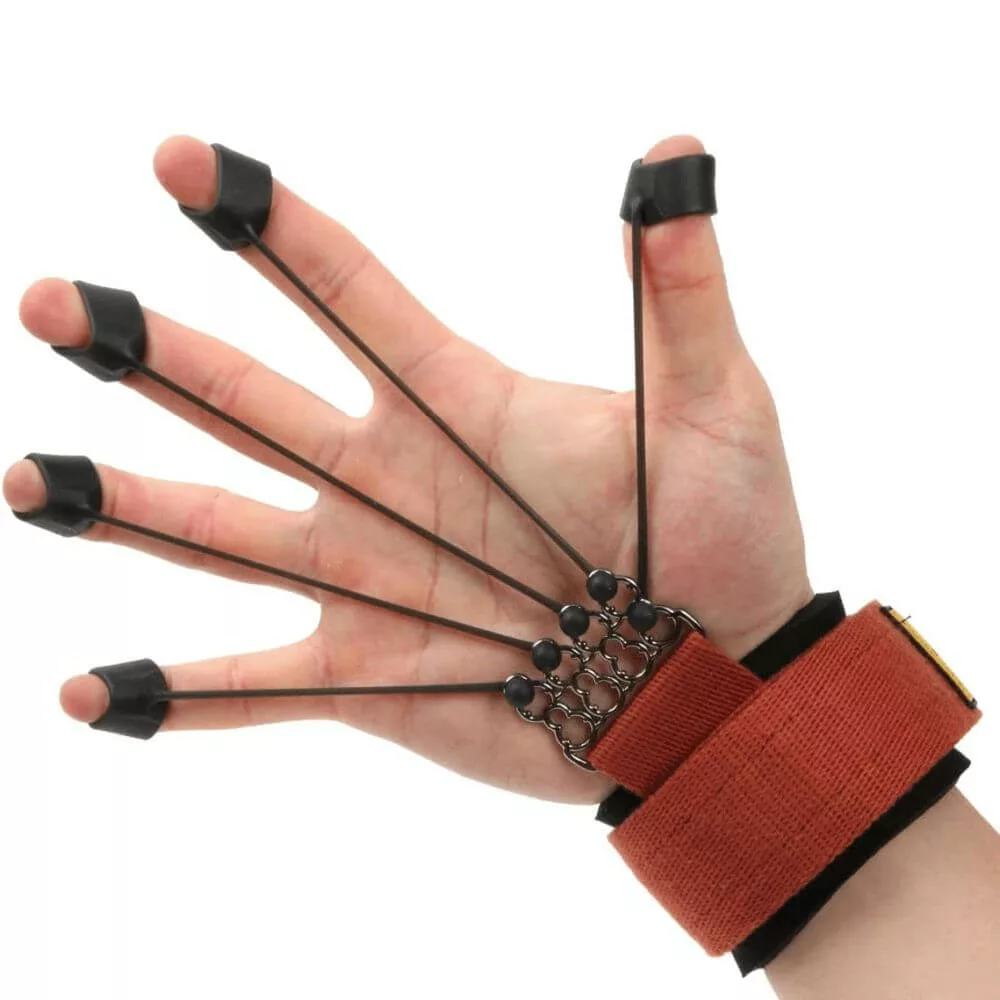
You can learn more in Finger Extension for Recovery & Balance.

Forearm Movement

Gentle movement through the wrist and forearm can also help you avoid turning your recovery routine into another hard workout.

The goal here is movement quality, not exhaustion.

Massage and Self-Release

Gentle self-release may be useful when your hands and forearms feel generally tense after training or repetitive activity.

It shouldn’t be treated as a way to force a painful area back to normal, however.

For practical techniques, see Massage & Self-Release for Hands and Forearms.

7. Learn the Warning Signs

7. Learn the Warning Signs

Not every episode of elbow discomfort requires the same response.

But certain patterns deserve more attention than ordinary post-training fatigue.

Pain That Keeps Returning

If the same elbow discomfort repeatedly appears whenever you resume a particular workload, don’t simply keep resetting the cycle.

Repeated symptoms are useful feedback that something about the current workload, exercise selection, recovery, or progression may need to change.

Symptoms That Are Getting Worse

Pain that becomes more intense, spreads, persists longer, or starts affecting ordinary activities deserves greater caution.

A problem that is gradually changing for the worse is different from mild, short-lived training fatigue.

Weakness or Loss of Function

Noticeable weakness or a change in your ability to grip, lift, rotate, or use the arm normally is another reason to take the situation seriously.

Don’t turn a loss of function into a challenge to push through.

Numbness or Tingling

Numbness, tingling, or other unusual sensations shouldn’t simply be treated as normal training soreness.

These symptoms can have different causes, and persistent or concerning symptoms are a good reason to seek professional evaluation rather than trying to solve the problem entirely through exercise modifications.

When to Get Professional Evaluation

If pain is persistent, worsening, associated with significant swelling, weakness, numbness, tingling, loss of function, or follows a substantial injury, professional assessment is appropriate.

A qualified healthcare professional can evaluate the specific problem and determine what is actually going on.

That matters because “elbow pain” describes a symptom, not a diagnosis.

8. Build a More Elbow-Friendly Grip Routine

8. Build a More Elbow-Friendly Grip Routine

The most useful long-term strategy is to make workload management part of your grip training rather than something you only think about after a problem appears.

Start Below Your Maximum

You don’t need every session to prove how strong your grip is.

Leave some room between your normal training effort and your absolute maximum. This gives you more flexibility to progress gradually and makes it easier to identify how your body responds.

Progress One Variable at a Time

If you increase resistance, volume, frequency, and exercise difficulty simultaneously, it becomes difficult to know which change affected your recovery.

Changing one major variable at a time makes your training easier to monitor.

Leave Room for Recovery

Hard sessions need to fit within your overall week.

Consider your grip training alongside lifting, climbing, grappling, manual work, computer use, and other activities that contribute to hand and forearm workload.

Recovery isn’t simply what happens after the workout. It’s part of the training plan.

Track Your Response

You don’t need an elaborate spreadsheet.

Simply paying attention to whether your elbows feel better, worse, or unchanged after particular sessions can reveal useful patterns.

If a specific exercise repeatedly produces the same response, that’s information worth acting on.

Adjust Early

The earlier you respond to a developing problem, the more options you usually have for modifying your workload.

You can reduce resistance, shorten a session, change an exercise, add recovery time, or temporarily emphasize easier forms of training.

The goal is to keep small problems from becoming reasons to abandon training altogether.

Keep Training, But Listen to Your Elbows

Good grip training isn’t just about how much force you can produce.
It’s also about how well you can manage the workload required to produce that force repeatedly.

When elbow discomfort appears, think in terms of:
Identify → reduce → adapt → recover → gradually rebuild.

Adapt the exercise or schedule instead of automatically abandoning your goals. Give your body enough recovery time. Then gradually rebuild your training as your response allows.

That approach won’t eliminate every possible cause of elbow pain, but it can make your grip training more sustainable and help you recognize when a problem deserves more than another hard session.

Recommended Next Reads

Identify what may be contributing to the workload.
Reduce the most aggravating demand.

Key Takeaway

Elbow pain during grip training is a reason to reassess your total workload, resistance, exercise selection, training frequency, and recovery, not automatically something to push through.

If symptoms persist, worsen, or involve weakness, numbness, tingling, swelling, or loss of function, professional evaluation is the appropriate next step.

Thanks for Reading!

How Do You Deal with Elbow Discomfort During Training?
Share Your Thoughts in the Comments!

Need to Improve Your Grip? I'm Here to Help. As a fitness enthusiast, I explore grip strength, hand training, performance, injury prevention, & recovery to help you train smarter. Whether you're chasing a competitive edge, getting back from an injury, or simply looking for better ways to use & strengthen your hands, you'll find practical ideas & useful tools right here.

Leave a Reply

Your email address will not be published. Required fields are marked *