(Last Updated on September 30, 2026 by Henry)

Recognize When Your Training Load Has Outpaced Recovery

Hard training is supposed to challenge you.
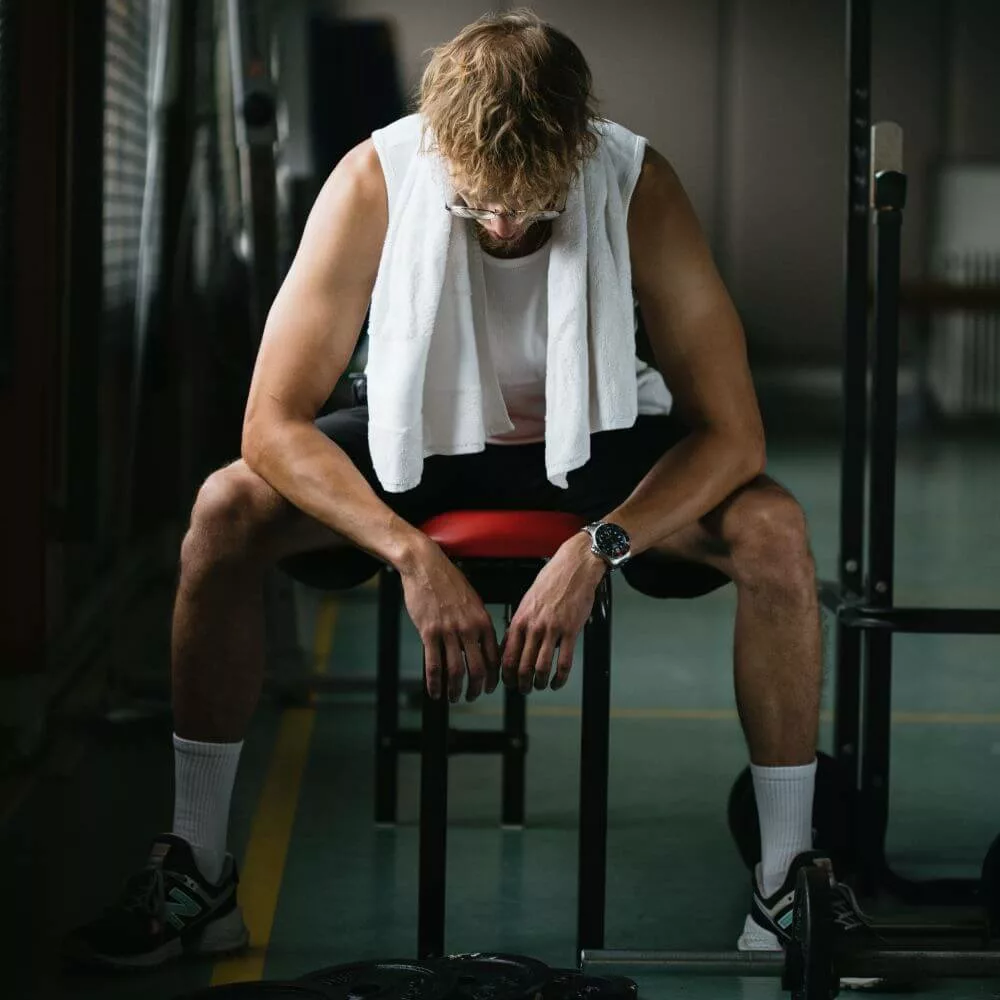
But there is a point where adding more work stops producing better results because your body isn’t getting enough opportunity to recover between demanding sessions.

For grip training, this can be surprisingly easy to miss.

Your hands and forearms may be working during dedicated grip sessions, but they can also be heavily involved in lifting, climbing, grappling, manual work, gaming, and countless everyday activities.

Table of Contents – Explore What's Covered Below

One difficult workout doesn’t automatically mean you’re overtrained.

Feeling tired after training is normal.

The bigger concern is when fatigue, declining performance, persistent soreness, or other problems start accumulating because your overall workload is consistently greater than your ability to recover from it.

The answer isn’t to find a harder recovery workout.

It’s to reduce the stress that is getting in the way of recovery, give your body enough time and resources to rebuild, and then gradually return to productive training.

It doesn’t happen overnight. You don’t just all of a sudden wake up one day overtrained.
It takes weeks or months, and you’re not giving your body enough time to recover.

1. What Does “Overtraining” Actually Mean?

1. What Does “Overtraining” Actually Mean?

The word overtraining gets used for everything from being tired after a hard workout to serious, persistent problems associated with excessive training stress.

For everyday grip training, it is more useful to think about whether your current workload is exceeding your recovery capacity rather than trying to diagnose yourself.

Being Tired Isn’t Automatically Overtraining

Feeling tired after a demanding session is expected.

Your grip may feel weaker temporarily. Your forearms may feel worked. You may simply need more sleep after a particularly hard training day.

Those responses can be part of normal training.

The concern is what happens when you don’t seem to return to your usual baseline before the next demanding session.

When Training Stress Starts Outrunning Recovery

Training creates a stimulus that your body needs to recover from.

If you repeatedly increase the training demand without allowing enough recovery between sessions, fatigue can begin to accumulate.

You may notice that the same workout feels harder than it used to, your performance stops improving, or you need longer and longer to feel ready again.

That doesn’t necessarily mean something is seriously wrong. It does mean your current balance between training and recovery deserves another look.

Why Grip Training Can Sneak Up on You

Grip training often involves relatively small muscles and movements, which can make it tempting to train frequently.

But your hands and forearms don’t only work when you’re holding a gripper.

Heavy pulling, deadlifts, carries, climbing, grappling, manual work, prolonged computer use, and other activities can all contribute to your overall hand and forearm workload.

A grip session that looks manageable on its own may become much more demanding when added to everything else you’re already doing.

2. Recognize When Your Body Isn't Recovering Normally

2. Recognize When Your Body Isn’t Recovering Normally

The most useful clue isn’t usually one bad workout.

It’s a pattern.

When several signs start appearing together or continue for longer than expected, it’s worth reassessing your training rather than simply trying harder.

Performance Starts Going Backward

One poor session doesn’t mean much.

Everyone has bad days.

But if your grip feels consistently weaker, your usual resistance becomes unusually difficult, or your performance continues declining despite continued effort, that is useful feedback.

Trying to overcome a persistent decline by adding even more training may simply increase the workload that you’re already struggling to recover from.

Fatigue Doesn’t Clear Between Sessions

Normal training fatigue should generally become easier to manage with sufficient recovery.

If you continually start the next session feeling as though you haven’t recovered from the previous one, your training schedule may be giving you too little room between demanding exposures.

This is particularly important when several grip-heavy activities are spread throughout the same week.

Motivation and Training Quality Drop

Recovery isn’t only about whether a muscle feels sore.

You may also notice that you are less interested in training, struggle to concentrate on the session, or find that your technique and effort are consistently below your normal level.

These changes can be useful signals that your overall training load needs attention.

Your Hands and Forearms Stay Beat Up

Persistent heaviness, soreness, stiffness, or reduced grip quality can be especially noticeable when you’re training your hands frequently.

Again, one difficult session isn’t necessarily a problem.

The concern is when your hands and forearms never seem to get back to their normal state before you’re asking them to work hard again.

Small Problems Start Appearing More Often

Minor aches and irritating little problems can sometimes become more frequent when overall workload and recovery are poorly matched.

Instead of treating each problem independently, step back and ask whether your entire training week has become too demanding.

  • Performance repeatedly declining
  • Fatigue carrying from one session into the next
  • Persistent soreness or heaviness
  • Reduced training quality
  • Grip feeling unusually weak
  • Motivation consistently dropping
  • Minor aches becoming more frequent
  • Needing more recovery than usual
3. First Step: Stop Adding More Stress

3. First Step: Stop Adding More Stress

Once you’ve recognized that your current workload isn’t being recovered from well, the first step is usually not another recovery exercise.

It’s reducing the demand.

Reduce or Pause Hard Training

If hard grip sessions are contributing to the problem, temporarily reducing or pausing them can give your hands and forearms some room to recover.

You don’t have to decide that you’ll never train hard again.

You’re simply removing some of the stress long enough to allow your baseline to improve.

Don’t Test Yourself Every Day

One of the easiest ways to interfere with recovery is repeatedly testing whether you’re recovered.

If your grip feels weak today, performing several maximal gripper attempts to “see where you’re at” creates another training stimulus.

Give yourself enough time between tests that the information actually means something.

Keep Easy Movement If It Feels Comfortable

Reducing hard training doesn’t necessarily mean becoming completely inactive.

Comfortable everyday movement can still be part of a recovery period.

The important distinction is between moving to stay comfortable and turning recovery into another workout.

Give Your Normal Workload a Break

Sometimes the best recovery strategy is surprisingly simple: do less for a while.

If your normal week includes several demanding grip sessions plus heavy lifting, climbing, grappling, or manual work, reducing the total workload can be more useful than adding another tool or exercise.

This is where recovery needs to be viewed as part of training rather than as something separate from it.

4. Rebuild Your Recovery Foundations

4. Rebuild Your Recovery Foundations

Once you’ve reduced excessive training stress, give your body the basic conditions it needs to recover.

There isn’t a special recovery hack that replaces these fundamentals.

Sleep Comes First

Sleep is one of the most important parts of recovery.

If your training workload is high while your sleep is consistently inadequate, adding more training is unlikely to solve the problem.

Give yourself a realistic opportunity to get sufficient, regular sleep rather than treating recovery as something that can be compressed into a few minutes after your workout.

Eat Enough to Support Recovery

Training requires energy.

If you’re consistently eating too little while also maintaining a demanding training schedule, recovery can become more difficult.

Regular meals and adequate overall nutrition provide the resources your body needs to support normal recovery and adaptation.

Stay Hydrated

Hydration is another basic part of managing your training.

You don’t need to turn water into a complicated performance strategy. Simply avoid allowing dehydration to become another unnecessary stressor during your training and recovery.

Don’t Turn Recovery Into Another Workout

This deserves special attention.

When people realize they’re not recovering well, it’s tempting to search for more stretching, more mobility, more massage, more cardio, or more “active recovery.”

Some gentle activities can be useful.

But recovery has diminishing returns. If your recovery routine leaves you tired, you’ve created another workload to recover from.

Give Your Hands and Forearms Some Easy Days

Your hands don’t need to be challenged every day just because they are relatively small.

Easy days are part of a sustainable grip program.

If your normal schedule contains several demanding grip exposures, deliberately creating periods of lower demand can make it easier to recognize whether your baseline is improving.

5. Look at Everything Contributing to Your Workload

5. Look at Everything Contributing to Your Workload

Your grip program may not actually be the biggest source of stress on your hands and forearms.

The important question is what your total weekly workload looks like.

Grip Training

Start with the obvious.

How many days are you training grip? How many hard sets are you performing? How often are you working near your maximum?

A program that looked reasonable when you started may become excessive after several months of gradually adding more work.

Strength Training

Deadlifts, rows, pull-ups, carries, kettlebell work, and many other exercises involve substantial grip demand.

If you count only your dedicated grip sessions, you may underestimate how much work your hands are actually doing.

Climbing and Grappling

Climbing and grappling can create significant finger, hand, wrist, and forearm workloads.

Adding dedicated grip training on top of these activities isn’t automatically wrong, but the combination needs to be considered when planning recovery.

Manual Work

Your occupation or hobbies can contribute considerably to your weekly workload.

Tools, lifting, carrying, gripping, twisting, squeezing, and repetitive hand use can all add up.

A hard grip session after an already demanding workday isn’t the same workload as that session performed after a relatively easy day.

Gaming and Computer Use

Long periods of mouse and keyboard use may not feel like training, but they can still involve prolonged hand and forearm activity.

That doesn’t mean computer use is automatically responsible for your fatigue.

It simply belongs in the overall picture, particularly if your hands rarely get extended periods away from repetitive use.

Your Weekly Schedule Matters More Than One Workout

A single workout can be perfectly reasonable while the weekly combination is not.

Think about your training as a workload budget.

Every demanding activity uses part of that budget. Recovery is what allows you to replenish it.

Your hands don’t know which activity created the workload.

6. Use Gentle Movement Instead of More Training

6. Use Gentle Movement Instead of More Training

Once you’ve reduced the demanding work, gentle movement can help you keep your hands and forearms moving without recreating the same training stimulus.

The key word is gentle.

These aren’t exercises you need to push to fatigue. They’re ways of maintaining comfortable movement while your normal training load is reduced.

Wrist Mobility

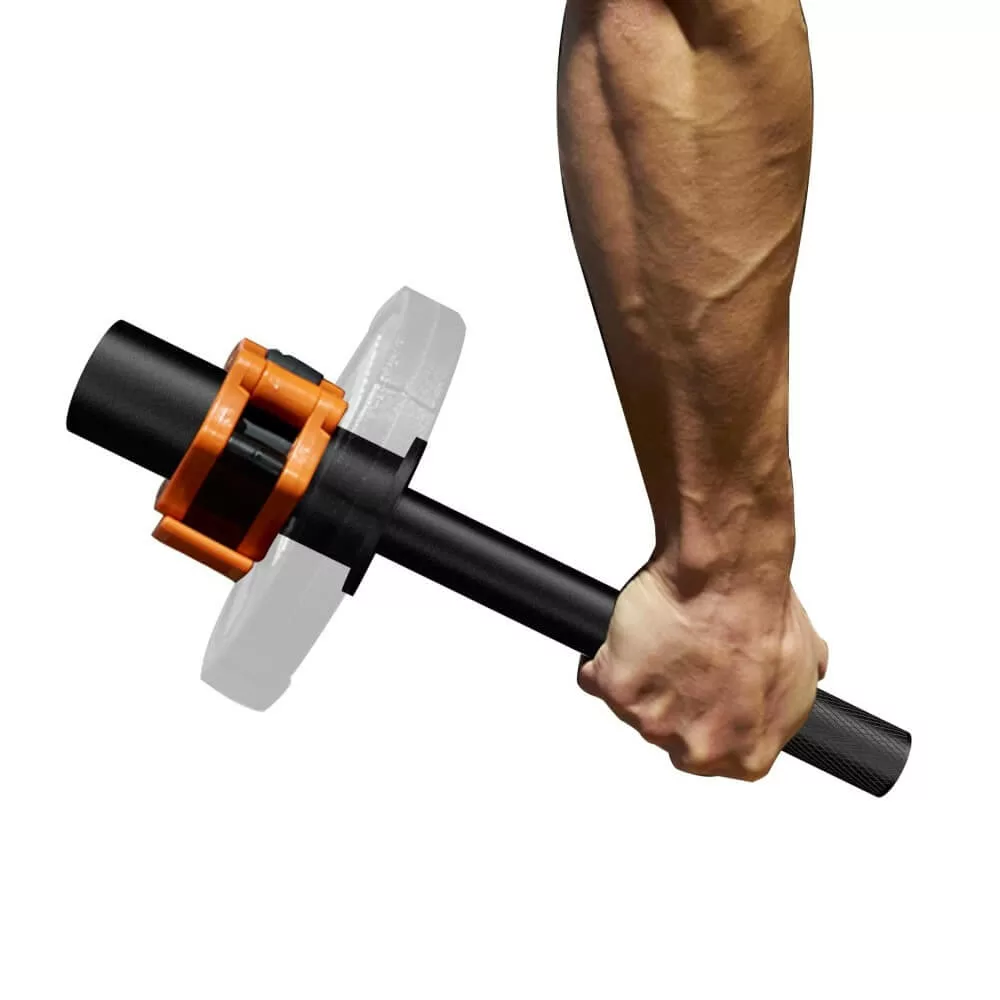
Controlled wrist movement can be a useful way to keep the wrist and forearm moving during a recovery period.

The goal isn’t to force a larger range of motion or create another challenge.
Simply moving comfortably can be enough.

For more detail, see Wrist Mobility for Grip Training.

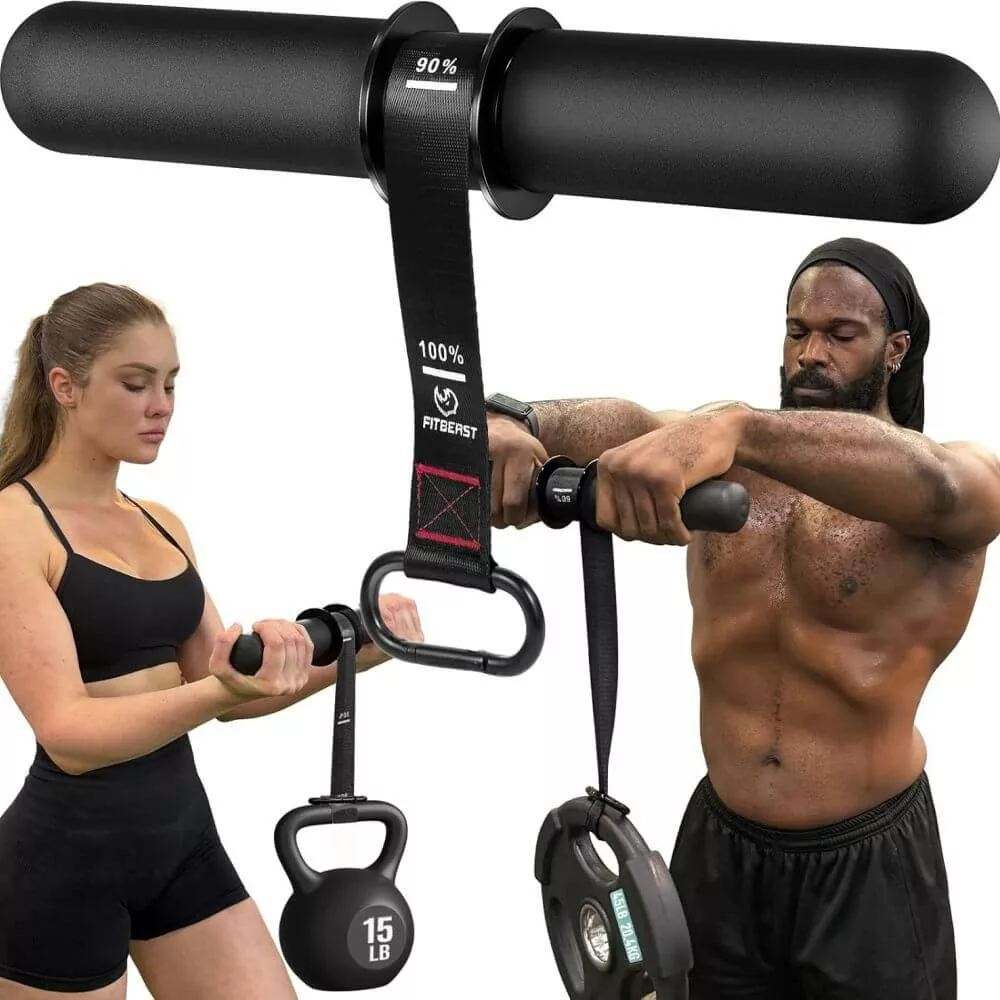
If you want a little equipment to make gentle wrist work more structured, a few simple tools can provide different ways to move the wrist without turning the session into another maximum-effort workout.
Finger Extension

Grip training naturally emphasizes closing the hand.

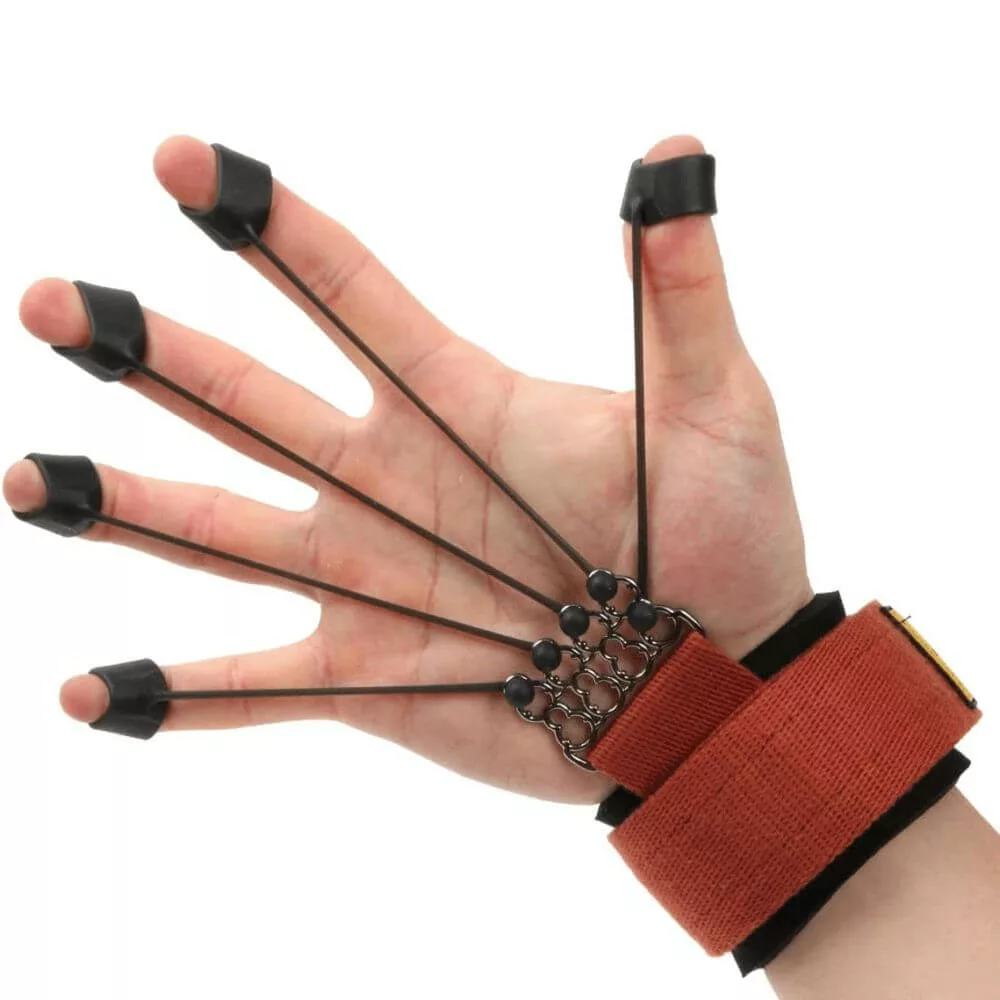
During a recovery period, gentle finger-extension work can provide a different movement pattern without asking you to produce another maximal gripping effort.

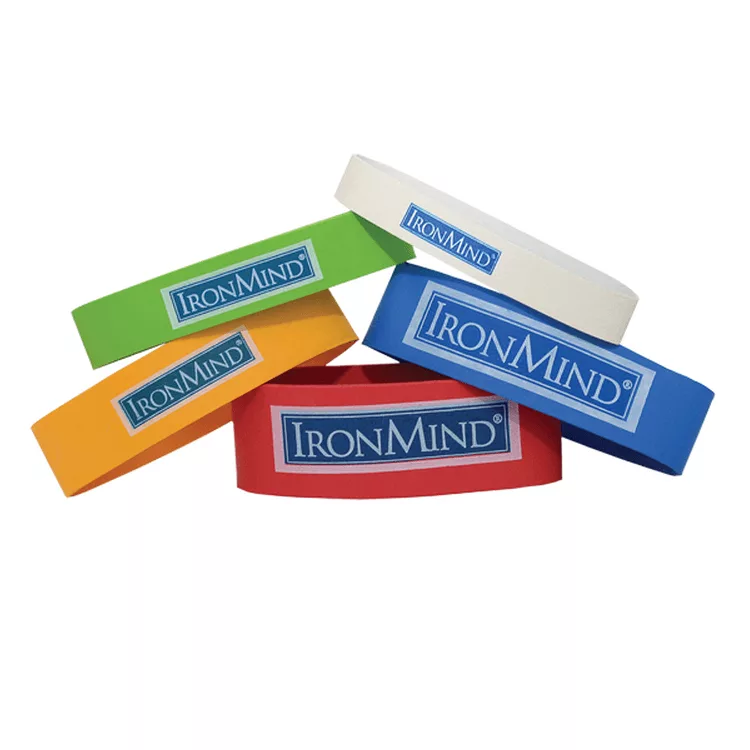
Resistance should remain appropriate to your current workload. More resistance isn’t automatically better here.

For a deeper look, see Finger Extension for Recovery & Balance.
Gentle Hand Movement

Simple hand-opening, finger-spreading, thumb movement, and relaxed hand closing can all provide movement without requiring a dedicated strength workout.

This is especially useful if your hands spend much of the day gripping objects or remaining in relatively fixed positions.

The purpose is to keep movement easy and comfortable, not to accumulate more repetitions.

Light Self-Release

Some people find gentle massage or self-release useful when their hands and forearms feel generally tense after training or repetitive activity.

Keep the pressure moderate and avoid treating painful areas as something that needs to be aggressively worked out.

For practical techniques, see Massage & Self-Release for Hands and Forearms.

When Movement Should Stay Out of the Way

Gentle movement isn’t automatically appropriate for every situation.

If movement consistently increases pain, produces unusual symptoms, or makes your condition worse rather than better, don’t assume you simply need to do more of it.

Recovery sometimes means leaving an irritated area alone and seeking professional guidance when symptoms persist or become concerning.

7. Know When You're Ready to Train Again

7. Know When You’re Ready to Train Again

Recovery shouldn’t be based entirely on a calendar.

You may feel ready sooner or later depending on how much workload has accumulated and how well your recovery has improved.

Instead of asking, “Have I rested for enough days?” ask whether your normal baseline is beginning to return.

Daily Activities Feel Normal Again

Before returning to hard grip training, ordinary activities should not feel like a major challenge.

Using your hands, carrying normal objects, typing, working, or performing other routine tasks should generally feel manageable.

Your Baseline Energy Has Improved

You don’t need to feel perfect.

But if you are still unusually exhausted throughout the day, jumping immediately back into demanding training may be premature.

Improved general energy is one useful part of the bigger picture.

Performance Stops Declining

You don’t necessarily need to test your maximum strength.

Instead, look for your normal movement quality, coordination, and general readiness to return.

A stable baseline is more useful than chasing a particular number immediately.

You Can Handle Easy Training

An easy session can provide useful information.

If you can perform a reduced version of your normal routine comfortably and recover normally afterward, that’s more encouraging than simply feeling restless because you’ve taken several days away from hard training.

Symptoms Don’t Return When Workload Increases

The real test is often what happens when you gradually reintroduce work.

If every increase in training immediately brings back the same problems, that’s a reason to slow down and reassess rather than continuing to push upward.

8. Return Gradually, Don't Make Up for Lost Time

8. Return Gradually, Don’t Make Up for Lost Time

One of the easiest ways to undo your recovery is to return to your old workload simply because you feel impatient.

You haven’t lost the progress you’ve built.

You may simply need to give your body time to tolerate that workload again.

Start Easier Than You Think You Need To

Your first sessions back should feel deliberately manageable.

Lower resistance, fewer sets, fewer repetitions, or shorter sessions can all be useful ways to reintroduce training.

You can always add more later.

Restore Frequency Before Maximum Intensity

You don’t need to immediately return to your hardest gripper or highest-volume session.

It can be useful to establish a comfortable training rhythm first and then gradually increase intensity.

The objective is to build consistency before chasing maximum performance.

Increase One Variable at a Time

If you simultaneously increase resistance, volume, frequency, and exercise difficulty, you won’t know which change your body struggled with.

Change one major variable, observe your response, and then decide whether another increase makes sense.

Leave Recovery Room

A successful return doesn’t mean getting back to the maximum workload you tolerated before.

You want a routine that leaves enough room for normal life, other physical activities, and recovery.

Don’t Chase Your Old Numbers Immediately

Your first session back isn’t a test of whether you’ve lost everything.

Strength can fluctuate for many reasons.

Trying to immediately prove that you’re still as strong as you were before the recovery period can turn a sensible return into another excessive workload.

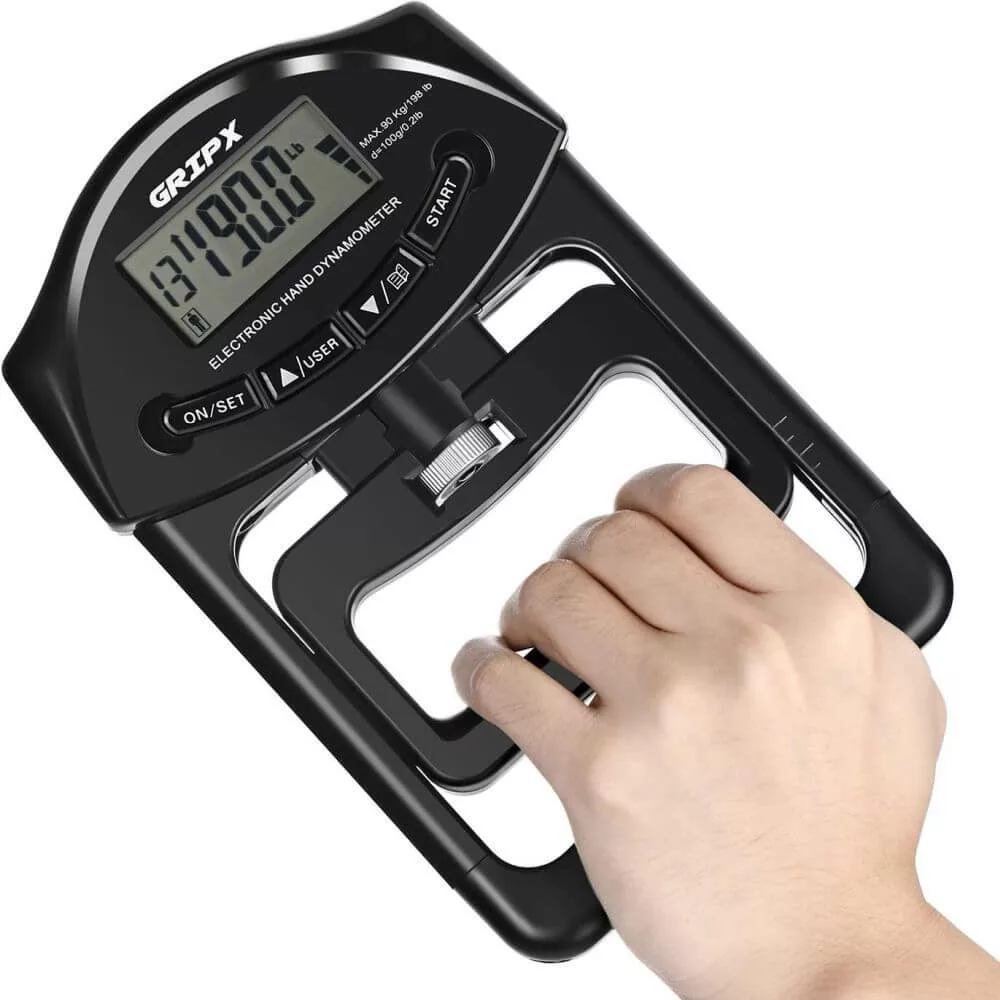
If you want an objective way to monitor your grip over time, a hand dynamometer can be useful — particularly when you’re interested in trends rather than repeatedly testing your absolute maximum.
9. Prevent the Same Cycle From Happening Again

9. Prevent the Same Cycle From Happening Again

Recovering once is useful.

Learning why you needed to recover is even more valuable.

Track Your Workload

You don’t need a complicated training spreadsheet.

Record the exercises, approximate resistance, sets, repetitions, and frequency of your harder sessions.

You can then compare changes in workload with how your hands and forearms respond.

Plan Easier Periods

You don’t always need to wait until you’re exhausted before reducing your workload.

Planned easier periods can give you an opportunity to recover before accumulated fatigue becomes a major problem.

Avoid Constant Max-Effort Training

Maximum efforts have their place.

They don’t need to be the foundation of every session.

Most training can be productive without repeatedly testing your absolute limits.

Respect Other Activities

If you’re climbing three times a week, working with your hands all day, or performing a lot of pulling in the gym, that workload matters.

Your dedicated grip routine needs to fit around your life rather than pretending those activities don’t exist.

Treat Recovery as Part of Training

Recovery isn’t the opposite of training.

It’s one of the things that makes training productive.

A sustainable program isn’t simply the maximum amount of work you can survive.

It’s the amount of useful work you can perform, recover from, and gradually build upon.

Get Stronger by Giving Your Body Room to Adapt

Recovering from excessive training isn’t about finding the perfect recovery hack.
It’s about restoring the balance between workload and recovery.

When your training starts producing more fatigue than useful progress:
Reduce → Recover → Reintroduce → Rebuild → Progress.

Reduce the workload that is preventing recovery. Give your body enough time, sleep, nutrition, and lower-demand days to rebuild. Reintroduce training gradually. Rebuild your previous workload one variable at a time.

Then progress again once your recovery can support it.
Most importantly, don’t treat recovery as lost training time.

Recommended Next Reads

The goal isn’t to train as much as possible.
It’s to train enough to improve & recover well enough to keep doing it.

Key Takeaway

If your grip training is producing accumulating fatigue, declining performance, persistent soreness, or recurring problems, the answer isn’t necessarily more recovery exercises.

First, reduce the workload, restore your recovery foundations, and look at everything contributing to your weekly hand and forearm demand. Once your baseline improves, return gradually and build your workload back one step at a time.

If symptoms persist, worsen, or involve significant pain, weakness, numbness, tingling, swelling, or loss of function, professional evaluation is appropriate.

Thanks for Reading!

Have You Had a Point Where Training Stopped Feeling Productive?
Share Your Thoughts in the Comments!


Need to Improve Your Grip? I'm Here to Help. As a fitness enthusiast, I explore grip strength, hand training, performance, injury prevention, & recovery to help you train smarter. Whether you're chasing a competitive edge, getting back from an injury, or simply looking for better ways to use & strengthen your hands, you'll find practical ideas & useful tools right here.

Leave a Reply

Your email address will not be published. Required fields are marked *