(Last Updated on October 13, 2026 by Henry)
Your Wrist Rotation Training Checklist
Wrist rotation strength is one of those abilities that can quietly make a huge difference in how your hands perform. You use it when turning a doorknob, opening a jar, swinging a racket, controlling a tool, rotating a dumbbell, or adjusting your hand position around a bar.
Yet wrist rotation often receives far less attention than crushing, pinching, or supporting weight.
The reason is partly anatomical.
Your wrist doesn’t simply bend forward and backward.
Your forearm can rotate the hand through pronation and supination, allowing the palm to turn downward or upward.
These movements always depend on coordinated action from muscles throughout the forearm.
The wrist and hand help transfer and control the resulting force.
For grip training, this matters because a strong grip isn’t only about how hard you can squeeze. Your ability to position and stabilize your wrist can influence how effectively you apply force through the hand.
If you’ve ever felt strong in a basic grip exercise but struggled when your wrist was placed at an unfamiliar angle, wrist rotation may be part of the missing link.
Learning how to train wrist rotation gives you another way to build a more complete and adaptable grip. The goal isn’t simply to rotate your wrist against heavier resistance.
It’s to gradually develop control, strength, endurance, and coordination throughout the movement.
Here’s a practical guide on how to perform manual resistance for pronation of the wrists.
Understanding Pronation, Supination & Wrist Rotation
Before training wrist rotation, it helps to understand exactly what you’re trying to strengthen.
Pronation is the movement that turns your palm downward, while supination turns the palm upward. These movements primarily occur through rotation of the forearm rather than the wrist joint itself. The wrist and hand then help position and stabilize the hand as the forearm rotates.
This distinction is important because the phrase “wrist rotation” is often used casually to describe several different movements. True forearm rotation, wrist flexion and extension, and side-to-side wrist movement aren’t all the same thing.
Your forearm contains several muscles involved in these actions. Some contribute primarily to pronation, others to supination, while additional muscles help stabilize the wrist and control the hand during movement.
For grip training, this creates an important connection. Your fingers may generate the gripping force, but the forearm and wrist help determine the position from which that force is applied.
Why rotation matters for grip
Think about holding a heavy object with your palm facing a particular direction. If you suddenly need to rotate your hand while maintaining control, your grip doesn’t operate independently from your forearm.
Wrist rotation can contribute to:
- Better hand positioning – Being able to rotate your forearm gives you more control over how your hand approaches and holds an object.
- Stronger force transfer – A stable wrist and forearm can help transfer force between the hand and the rest of the arm more efficiently.
- Improved control – Rotation strength matters when an activity requires you to change hand position while maintaining a grip.
- More versatile grip strength – Training multiple movement patterns helps prevent your grip from becoming overly dependent on one position.
- Better sport-specific preparation – Activities such as climbing, racket sports, combat sports, and arm wrestling can place significant demands on forearm rotation.
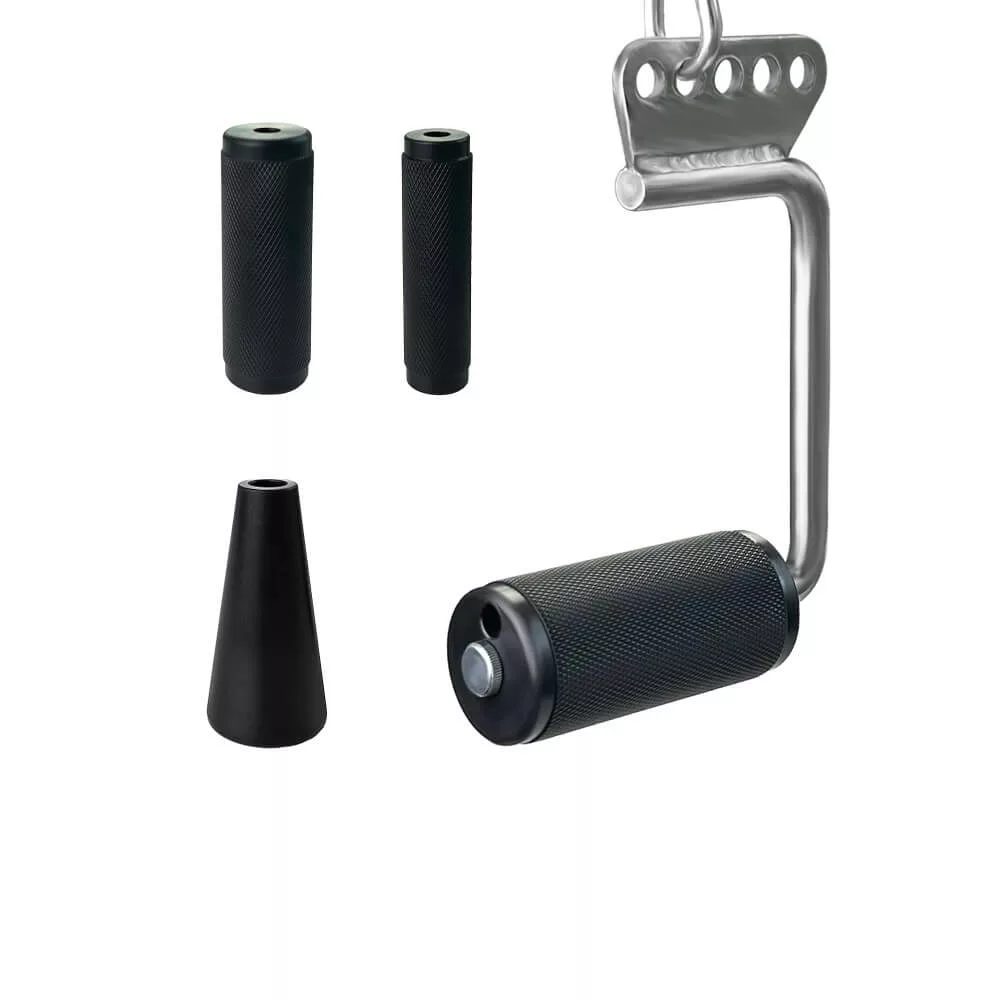
Versatile Multi-Grip Cable Attachment for Arm Wrestling Strength
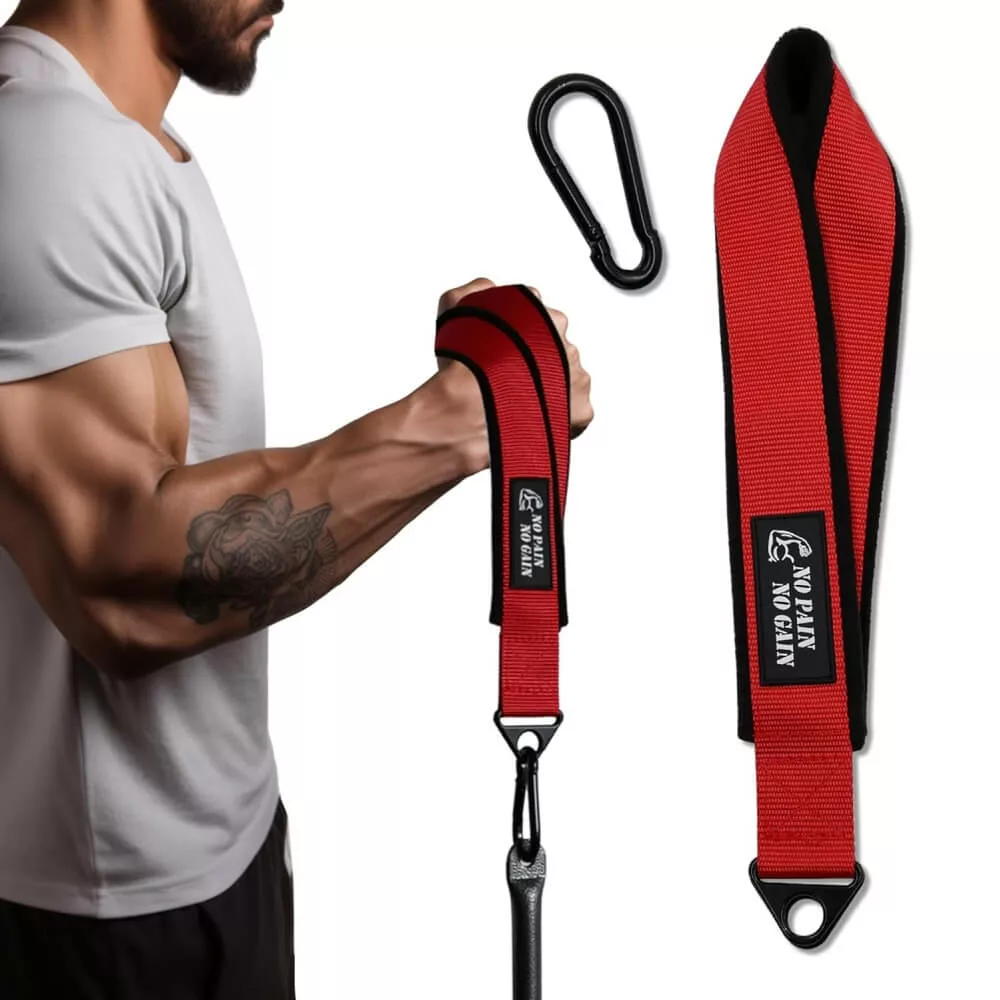
Twist Stronger, Control Harder: Padded Arm Wrestling Strap
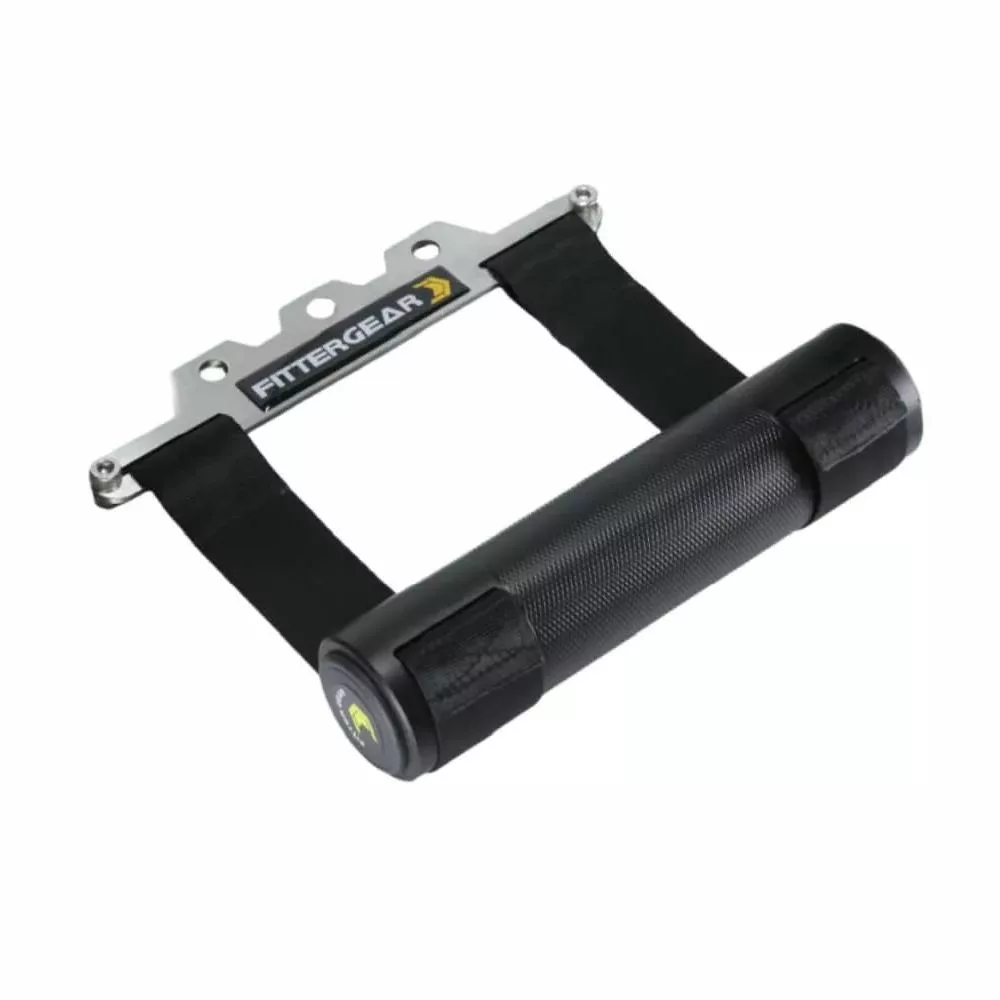
Heavy-Duty Wrist-Wrench for Cupping Power & Forearm Endurance
The important point is that rotation training should complement your existing grip work rather than replace it.
A strong crush grip, pinch grip, and support grip all have their own demands, and wrist rotation adds another layer of control to the system.
Progressing Your Wrist Rotation Strength
Once you’ve learned the basic movement, the next challenge is creating progressive overload.
Just as with other forms of grip training, your body adapts to repeated demands. If the same exercise, resistance, and volume remain unchanged for months, there may be little reason for your strength to continue improving.
Progression doesn’t necessarily mean grabbing a much heavier weight.
You can progress wrist rotation by changing several variables:
- Increase resistance – Gradually use a slightly heavier implement when your current resistance becomes comfortable.
- Increase repetitions – Add controlled repetitions before making a large jump in resistance.
- Increase control – Slow the movement down and eliminate momentum to make the same resistance more demanding.
- Increase range carefully – As your control improves, you can gradually work through a comfortable range of motion.
- Change leverage – Longer handles and offset resistance can make rotation substantially harder without requiring a huge increase in weight.
- Train both directions – Give pronation and supination appropriate attention rather than developing one direction while neglecting the other.
Train strength and endurance separately
Your wrist rotation training can also change depending on your goal.
If you’re trying to develop maximum rotational strength, you may use higher resistance for fewer controlled repetitions.
If you’re trying to develop rotation endurance, lighter resistance and longer sets may be more appropriate.
This distinction is useful because someone training for arm wrestling, for example, may have very different rotational demands from someone who simply wants stronger and more capable hands for everyday activities.
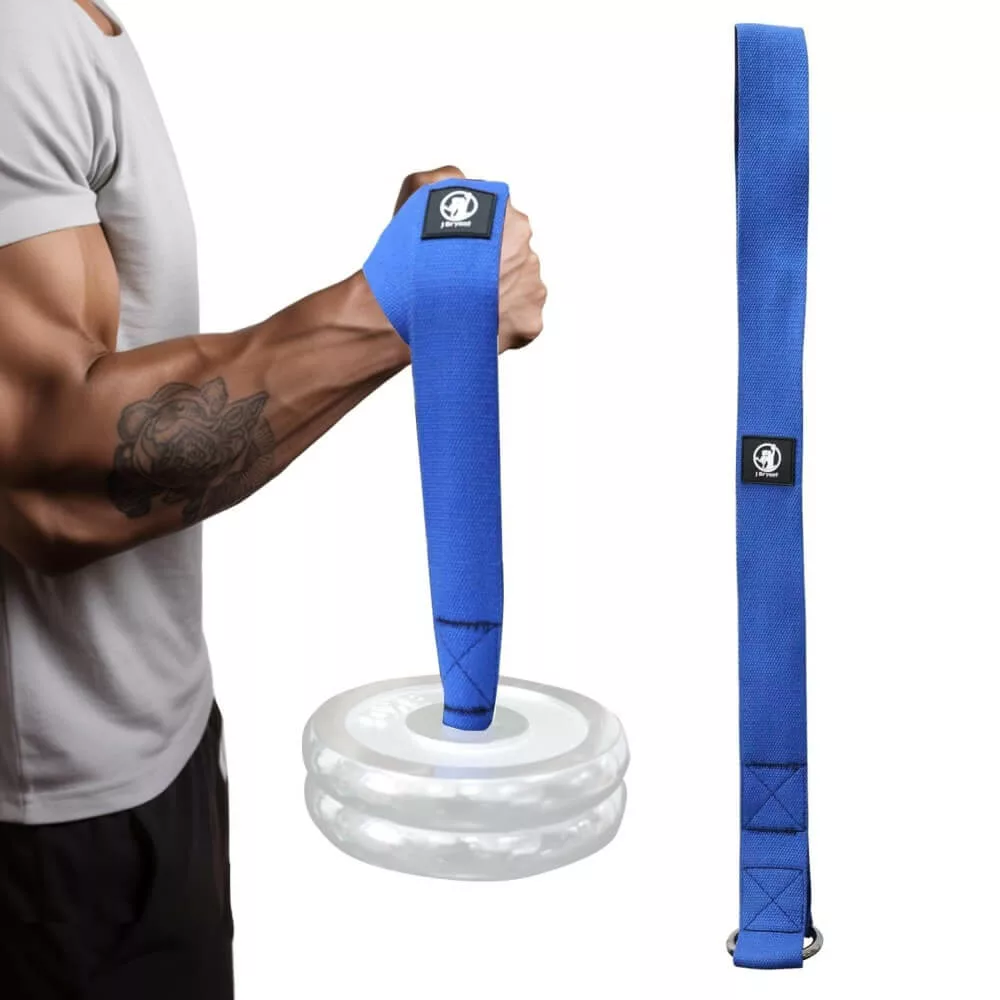
Minimalist & Effective: Pronation Strap Without Padding

Gyro Ball is Amazing For Grip Training Warm-Up & Hand Rehab
The key is to progress one variable at a time. You don’t need to increase resistance, volume, frequency, and range of motion simultaneously.
Wrist rotation is an easy movement to overlook because it doesn’t always produce the dramatic feeling of a heavy gripper or loaded carry. But once you start paying attention to pronation and supination, you begin to see how often your hands rely on rotational control.
The best approach is simple:
Start light, learn the movement, control every repetition, and progress gradually.
Over time, rotational strength can become an important piece of a broader grip-training system, one that develops not only how hard you can grip, but how effectively you can position, control, and use that grip.
A strong grip isn’t just about squeezing harder. It’s about controlling the hand from every angle.
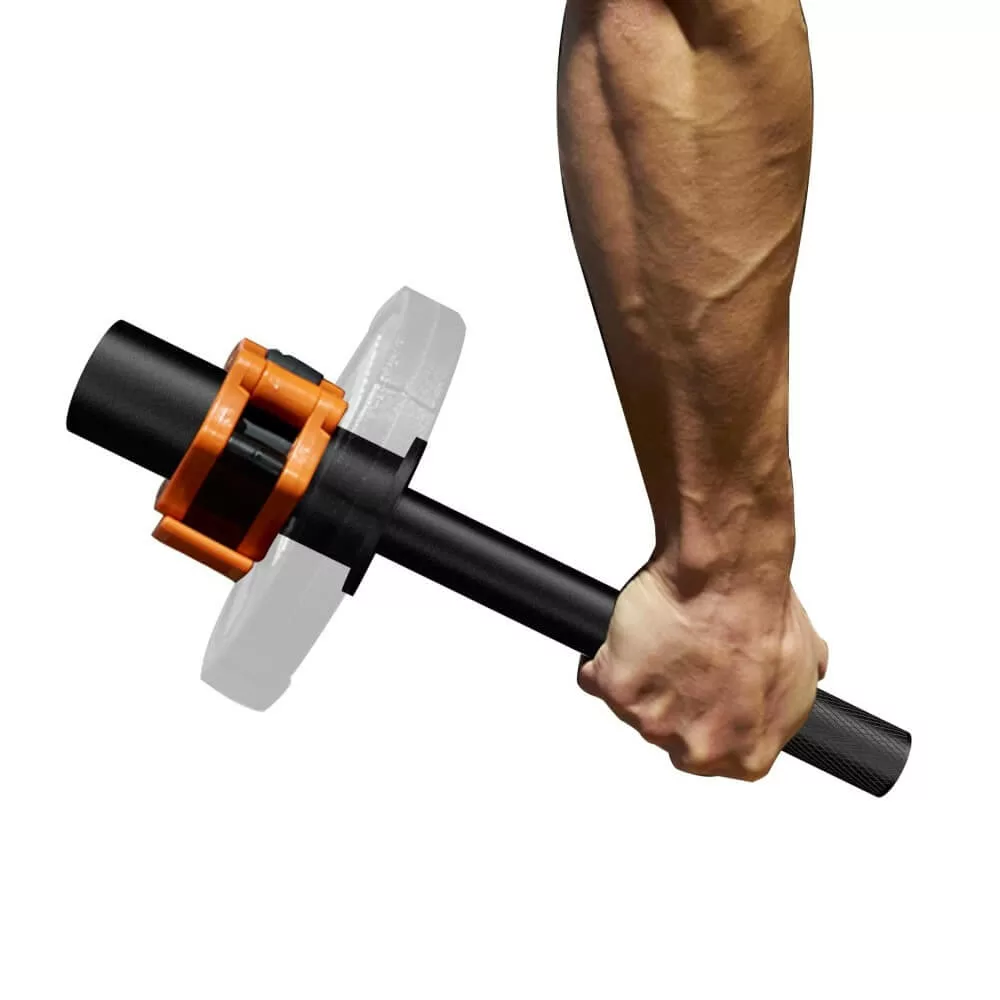
Wrist Strength Without Weak Links: Build Forearm Power & Control

Burn Machine Arm Rotation Trainer: Shockingly Effective?
Key Takeaway
Wrist rotation strength comes from more than simply twisting a weight around.
Train pronation and supination with controlled resistance, develop both directions, progress gradually, and integrate rotational work alongside your other grip movements.
A stronger, more versatile grip comes from training the whole system, not just the muscles that produce the biggest squeeze.
Thanks for Reading!
Which Part of Wrist Rotation Do You Find Hardest to Train?
Share Your Experience in the Comments!