(Last Updated on October 13, 2026 by Henry)
The Problem With Grip Strength Plateaus
Grip improvements often come quickly when you’re just getting started. Within a few weeks, opening jars feels easier, carrying grocery bags becomes less tiring, and hanging from a pull-up bar starts lasting longer. Then, almost without warning, progress slows down.
This is one of the most common experiences beginners have with grip training.
The exercises that once felt challenging suddenly become comfortable, and your hands no longer receive enough stimulus to keep adapting.
Your body is incredibly efficient.
As you repeat the same movements with the same resistance week after week, your muscles, tendons, and nervous system gradually become better at performing that exact task.
Eventually, what once built strength simply becomes maintenance.
The solution isn’t training harder every day.
It’s learning one of the most important principles in all of strength training:
Progressive overload.
Progressive overload simply means giving your body a slightly greater challenge over time. Instead of making huge jumps, you gradually increase the training demand so your body has a reason to continue adapting. Those increases can come from more resistance, more repetitions, longer holds, improved technique, or greater training volume.
The goal isn’t to exhaust yourself every workout.
The goal is to make today’s training just a little more demanding than yesterday’s.
Once you understand this concept, almost every aspect of grip training starts making more sense. You’ll know why progress sometimes stalls, why recovery matters, and why consistently small improvements produce much bigger long-term results than occasional heroic workouts
What Exactly Is Progressive Overload?
You’ll Pretty Much Universally See it Repeatedly
Mentioned in all Muscle & Strength Building Strategies or Programs.
Your body only gets stronger when it has a reason to adapt.
Progressive overload provides that reason.
Demystifying Progressive Overload: Breaking Down the Basics
Progressive overload is a term that gets thrown around a lot in fitness circles, but what does it really mean for grip strength?
At its core, it’s about gradually increasing the amount of stress placed on the body during exercise. This isn’t just another fitness buzzword; it’s the driving force behind continual improvement.
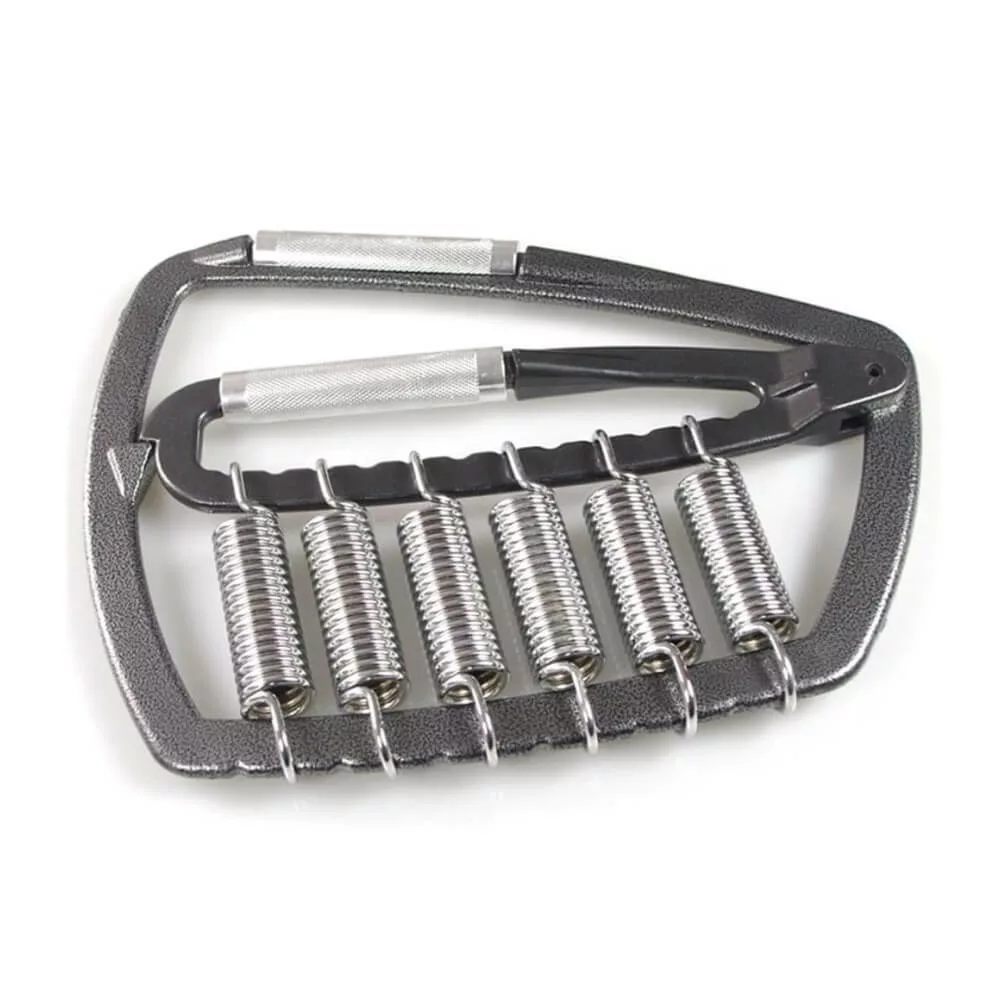
One Grip Tool That Can Replace an Entire Collection
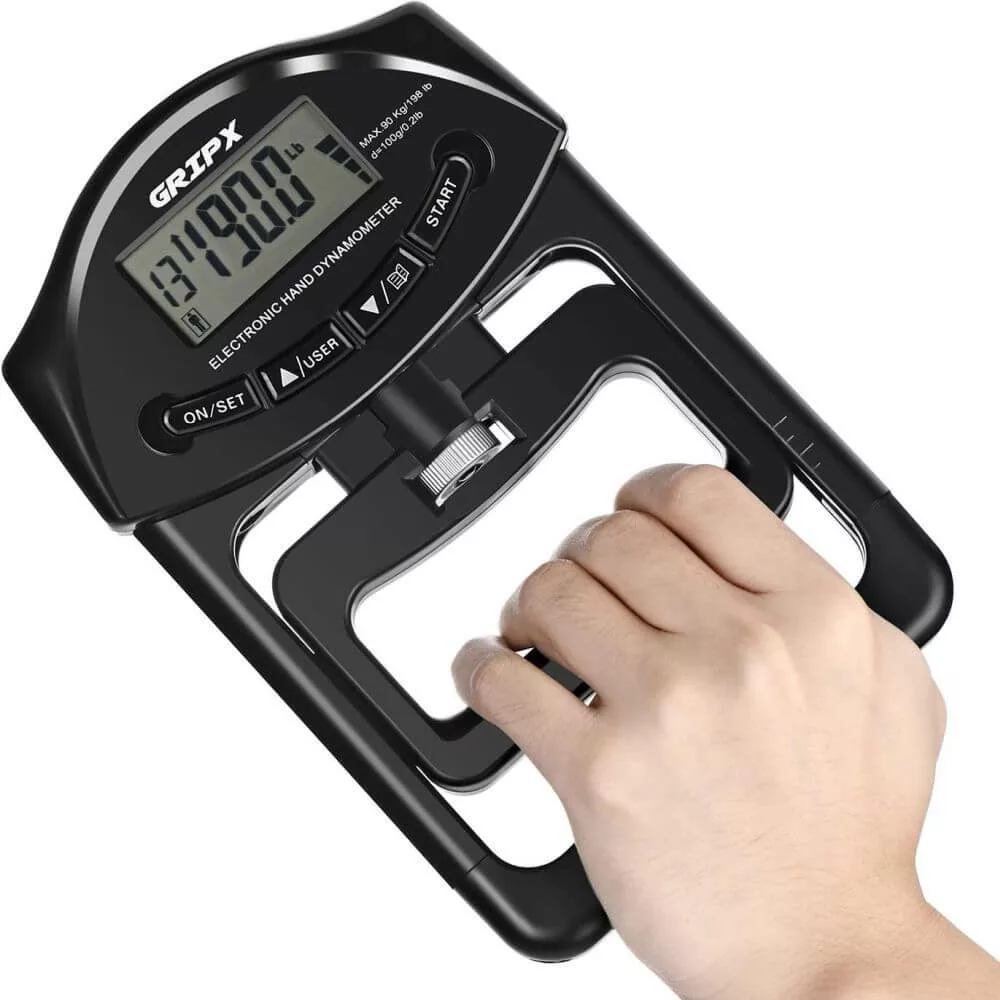
The Best Grip Dynamometer for Home, Sports, & Clinical Use?
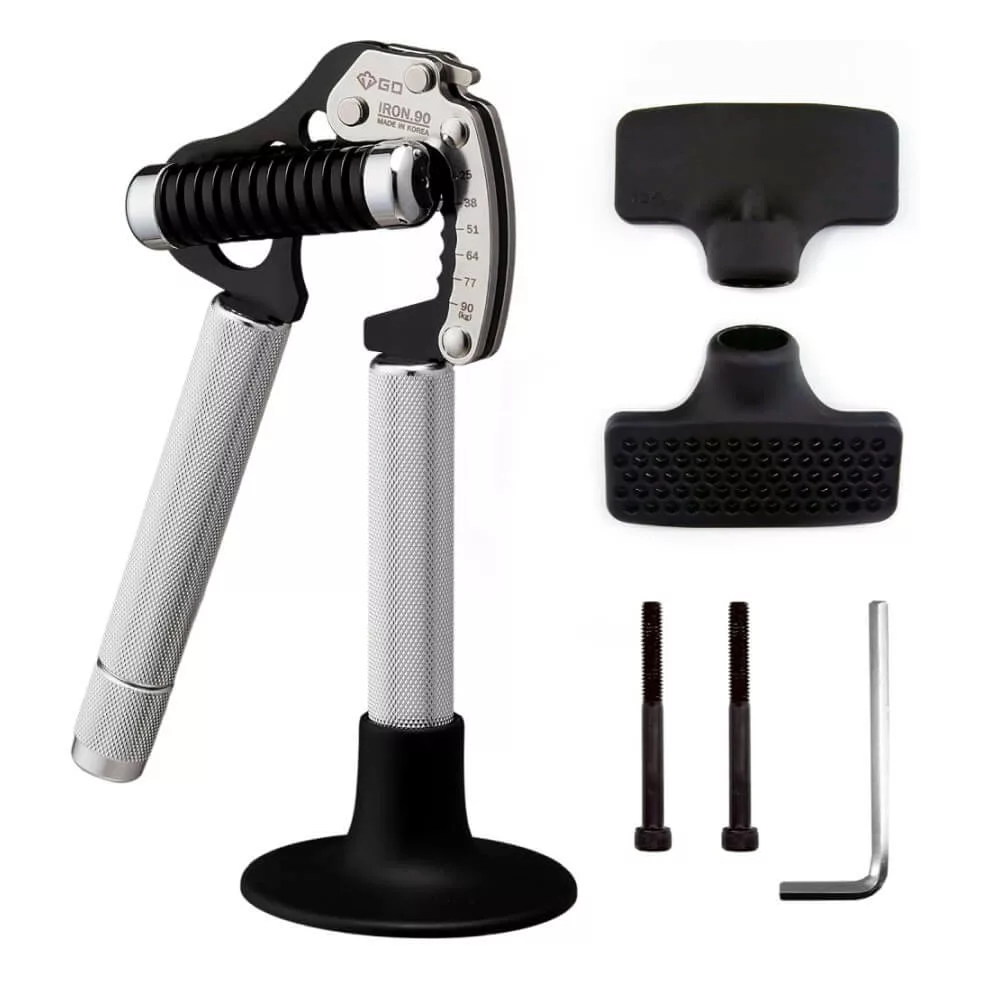
One of the Most Precise Grippers Ever Built?
There’s a lot of confusion about what progressive overload actually involves. Many beginners assume it simply means adding more weight every workout.
While increasing resistance is one method, it’s only one piece of the puzzle. Progressive overload is really about consistently asking your body to do slightly more than before.
For grip training, that might mean:
- Increase resistance gradually – Move to a slightly stronger gripper, thicker handle, or heavier carry once your current workload feels comfortable.
- Perform more repetitions – Completing a few additional reps with good technique increases total training volume without drastically changing difficulty.
- Hold positions longer – Extending dead hangs, farmer’s carries, or static holds builds grip endurance while still applying progressive overload.
- Improve movement quality – Better control, smoother repetitions, and full range of motion make existing exercises more effective before adding difficulty.
- Add training volume carefully – Extra sets or another weekly session can stimulate progress when recovery remains manageable.
- Track your progress consistently – Recording workouts helps you recognize improvements that are often too gradual to notice day by day.
Progressive overload physically encourages muscles, tendons, connective tissues, and even your nervous system to adapt. Every manageable increase signals your body that it needs to become a little stronger and a little more efficient for the next session.
The keyword is gradual. Small improvements repeated over weeks and months almost always outperform dramatic jumps that lead to burnout or injury.
Effective Strategies to Progress Your Grip Training
Getting stronger isn’t just about lifting heavier each time. When it comes to grip training, variety is key to keeping your muscles adapting. One of the simplest ways to continue progressing is by introducing new exercises that challenge your grip differently. Swapping traditional squeezing exercises for pinch work, thick-handle training, or wrist-focused movements exposes your hands to fresh demands.
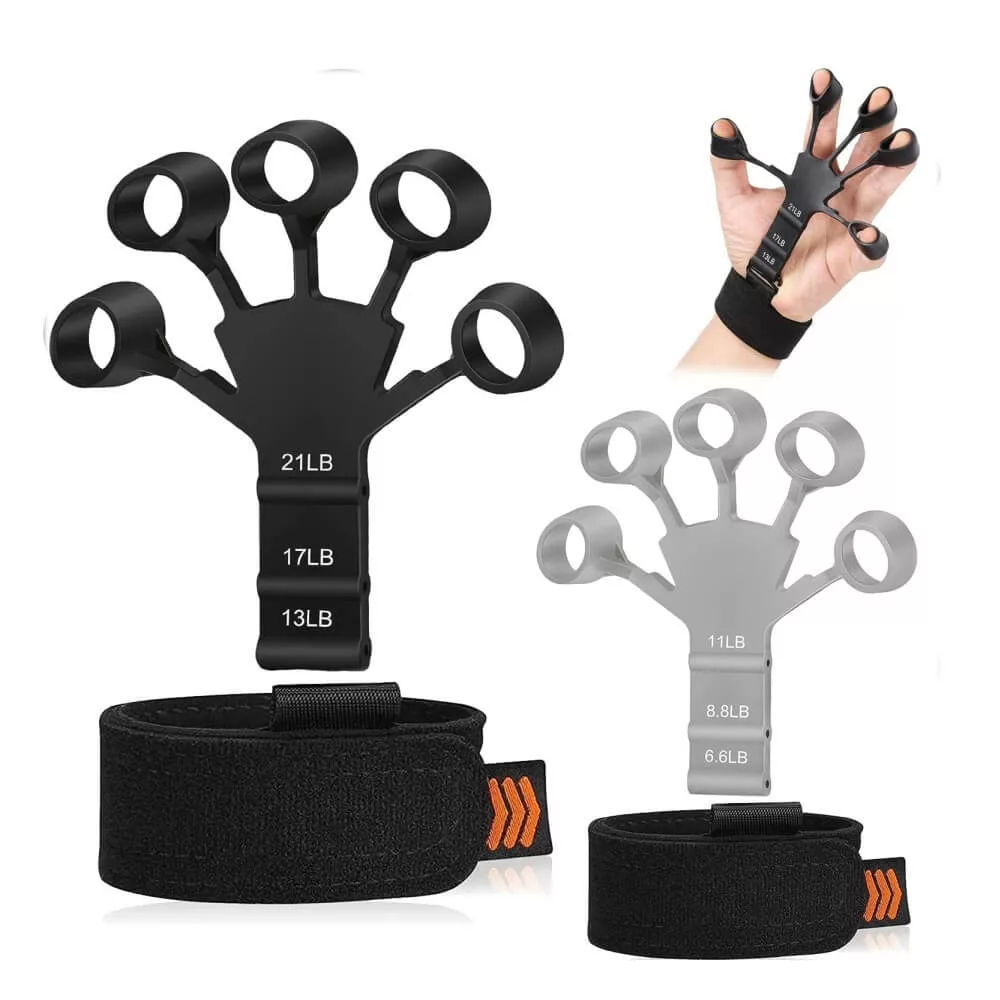
Fun & Affordable Way to Rehab Weak Hands

Transform Every Barbell into Axel with Fat Bar Handles?
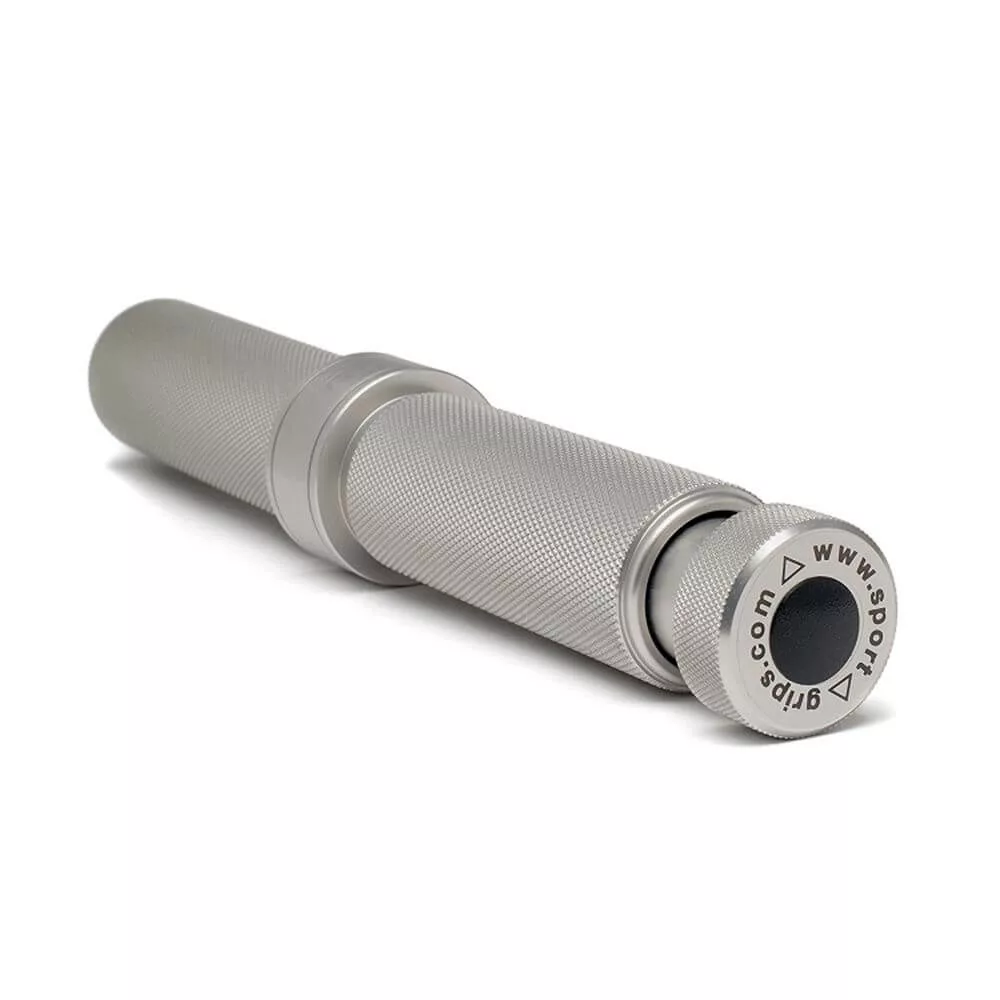
Modern, Rope-Less Wrist Roller: Sure Way to Get Strong Wrists
Another effective strategy is changing resistance without making huge jumps. Variable resistance tools, thicker handles, longer holds, or slightly heavier loads all encourage continued adaptation while reducing the temptation to progress too aggressively.
Volume and frequency also matter. Sometimes progress comes from performing an additional set, adding a few repetitions, or slightly extending your training sessions rather than dramatically increasing resistance. These small adjustments accumulate into meaningful improvements over time.
Changing grip positions and movement patterns also keeps training productive. Your hands perform many different jobs throughout daily life, so exposing them to various grip styles creates more complete development while helping avoid plateaus.
A balanced progression plan might include:
- Rotate exercises regularly – Changing movements every few weeks exposes your grip to new challenges while preventing boredom.
- Adjust one variable at a time – Increase weight, repetitions, hold time, or sets individually instead of changing everything simultaneously.
- Prioritize consistent progress – Tiny improvements repeated weekly create far greater long-term gains than occasional massive increases.
- Train multiple grip types – Crush, pinch, support, and wrist strength complement one another for more functional hand development.
- Respect recovery between sessions – Adaptation happens after training, not during it. Recovery allows each small progression to become permanent.
- Stay patient through plateaus – Progress rarely happens in a perfectly straight line. Consistency almost always wins over rushing.
Progressive overload isn’t about constantly making workouts harder. It’s about making them appropriately harder so your body continues adapting safely.
Progressive overload isn’t about constantly pushing harder; it’s about giving your body the right challenge at the right time. Every extra repetition, slightly longer hold, or small increase in resistance becomes another building block in your long-term grip development.
Small improvements repeated consistently
will always outperform occasional massive jumps.
The good news is that beginners rarely need complicated programming. If you consistently train with good technique, recover properly, and gradually increase the challenge, your grip will continue improving for a long time before you ever need advanced methods.
A sustainable progression plan usually includes:
- Follow a structured routine – Consistency creates better results than randomly changing exercises every workout.
- Increase difficulty gradually – Small weekly improvements are easier to recover from and produce steadier long-term gains.
- Track your workouts – Recording resistance, repetitions, and hold times makes progress visible and helps identify plateaus.
- Balance training with recovery – Stronger hands are built during recovery, not while you’re exercising.
- Stay patient with the process – Grip strength develops over months, not days. Long-term consistency always beats short-term intensity.
- Celebrate incremental wins – Holding a dead hang five seconds longer or completing one extra repetition is real progress worth acknowledging.
Eventually, progressive overload becomes less about following strict rules and more about learning to listen to your body. You’ll recognize when it’s time to push a little harder, and when it’s smarter to let recovery do its job.
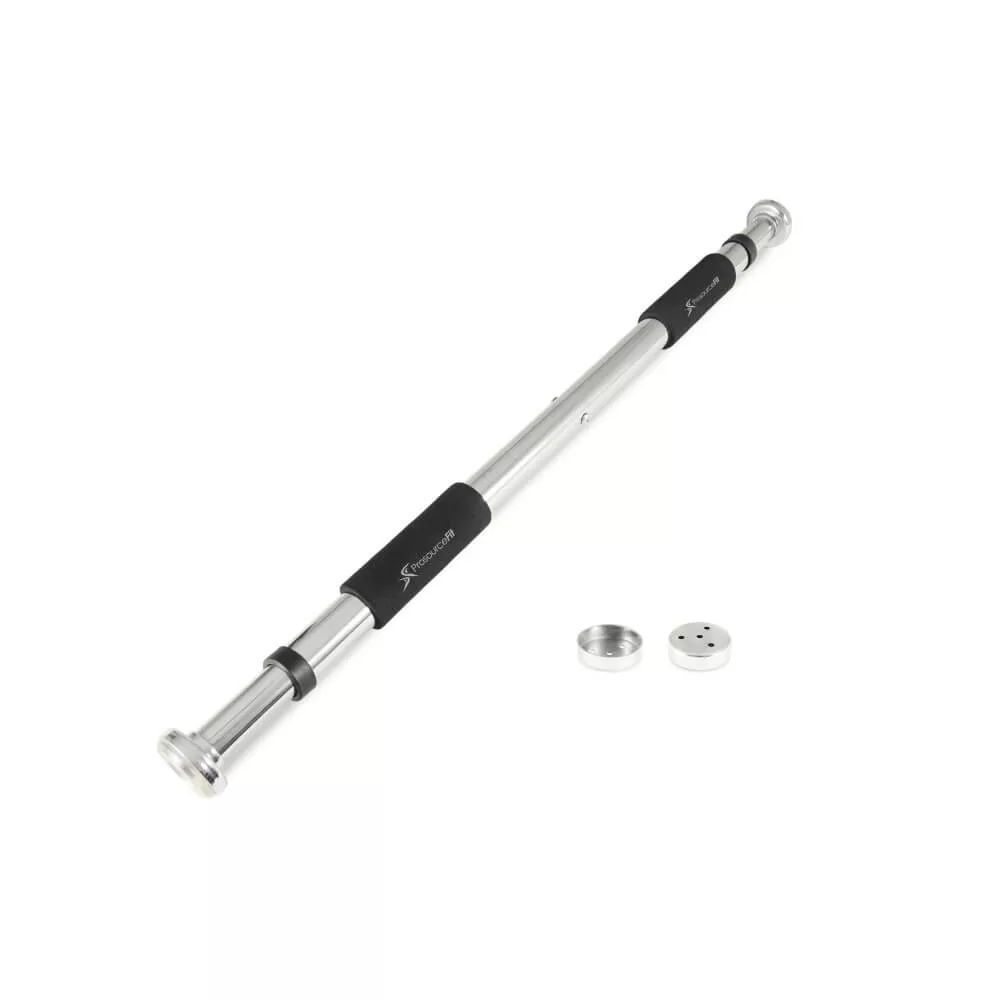
Basic Doorway Pull-Up Bar: Simple, Easy to Assemble
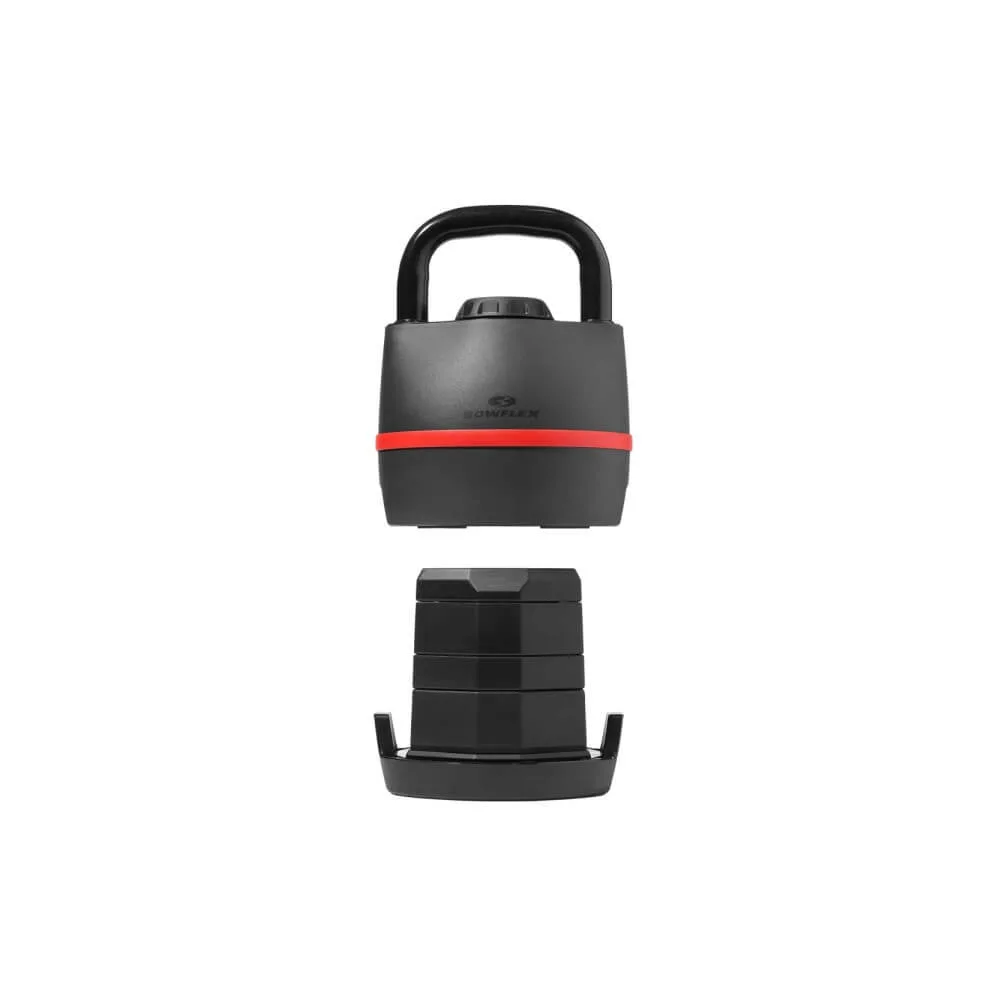
Train Smarter & Save Space with Adjustable Kettlebell
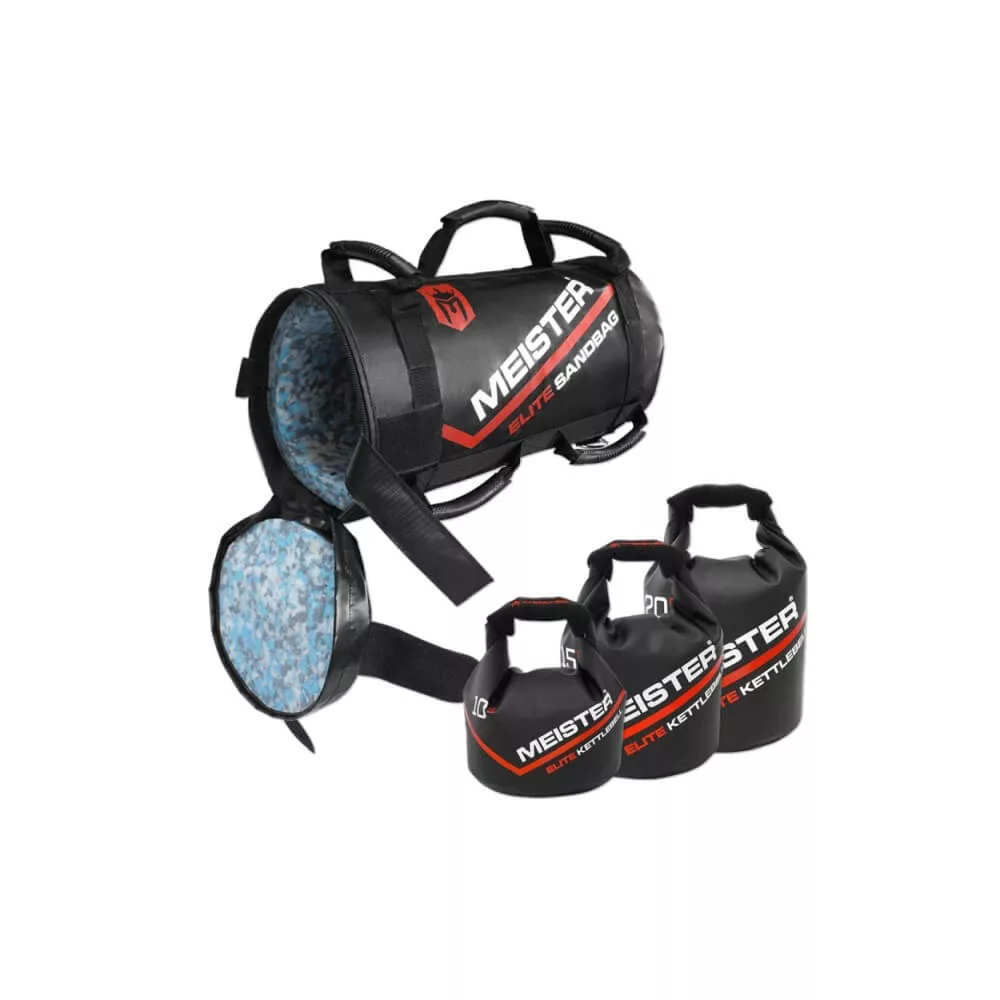
4-in-1! The Most Versatile Fitness Sandbag?
Key Takeaway
Progressive overload is the foundation of every successful grip training program.
You don’t need dramatic increases or exhausting workouts to get stronger.
By making small, consistent improvements, respecting recovery, and allowing your muscles & tendons to adapt together, you’ll continue building stronger, more reliable hands for years to come.
Thanks for Reading!
Which Grip Exercise Do You Prefer for Progressive Overload?
Share Your Thoughts in the Comments!
Recommended Next Reads
Now that you understand how progressive overload drives improvement, the next step is learning why your body responds the way it does. These articles build directly on progressive overload and will help you train smarter while avoiding unnecessary setbacks.