(Last Updated on October 13, 2026 by Henry)
Recovery Is Where Grip Strength Actually Develops
Most beginners think they become stronger while they’re training.
In reality, training only provides the stimulus. Recovery is where the adaptation actually happens.

Every grip workout places stress on your muscles, tendons, connective tissues, and nervous system.
That’s exactly what training is supposed to do.
The goal isn’t to avoid that stress; it’s to give your body a reason to adapt.
But those adaptations don’t happen while you’re squeezing a gripper or hanging from a pull-up bar.
They happen later.
During recovery, your body repairs microscopic muscle damage, rebuilds connective tissue, restores energy stores, and strengthens the systems responsible for producing force. Every successful workout depends just as much on what happens after training as what happens during it.
This explains why two people following the exact same grip program often see different results. The one who sleeps better, manages fatigue, eats well, and respects recovery will almost always make more consistent progress over time.
Professional athletes understand this extremely well. Whether they’re climbers, arm wrestlers, powerlifters, or gymnasts, recovery isn’t viewed as “taking time off.” It’s considered an essential part of training itself.
Learning this lesson early will save you from one of the most common beginner mistakes, thinking that more work always leads to faster results.
Recovery Plays a Huge Role in Actually Building Muscle,
but There Are A Lot of Recovery Methods That Simply Don’t Do Anything.
Grip strength isn’t built by training harder.
It’s built by recovering better between challenging workouts.
Integrating Recovery Into Your Training Regime
Recovery forms an integral part of any well-rounded training plan, something that often gets overlooked in the rush to see quick gains. But here’s the reality: without proper recovery, your progress can begin to plateau, performance can decline, and your risk of injury increases. Recovery is the hidden part of training that allows every workout to produce meaningful results.
Honing in on the balance between challenging workouts and adequate rest is a real game changer. It isn’t about training as often as possible; it’s about training hard enough to stimulate adaptation while allowing your body enough time to rebuild.
Science strongly supports this approach. During recovery, your hormonal environment shifts toward tissue repair and protein synthesis. This is when muscles rebuild, tendons remodel collagen, and your nervous system recovers from demanding grip sessions. Those periods of lower activity are when your body performs much of the work that ultimately makes you stronger.
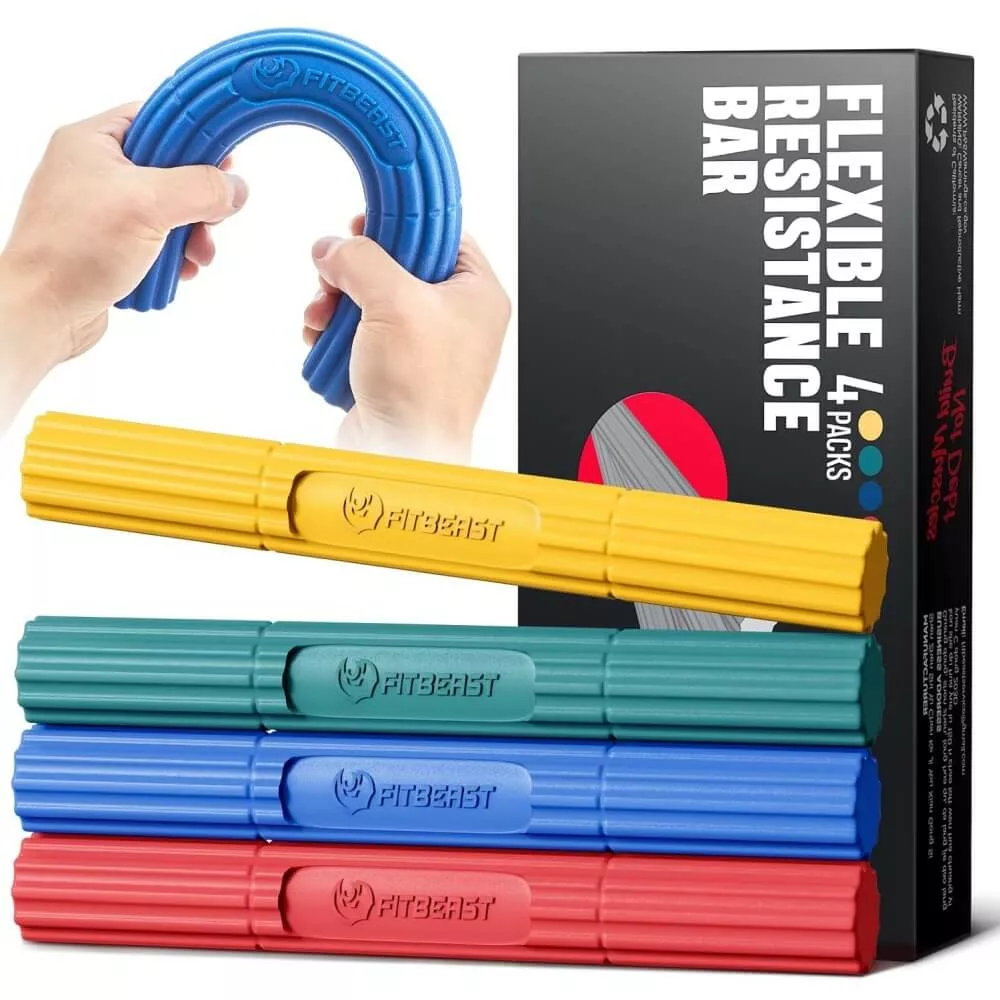
The Best Twist Bar for Hand, Wrist & Elbow Rehabilitation?

Can Muscle Floss Bands Speed Up Recovery & Improve Mobility?

How Can Hand Warmers Help Relieve Hand Pain Effectively?
Recovery also doesn’t have to mean complete inactivity. Many people benefit from active recovery sessions such as walking, light mobility work, stretching, or gentle forearm exercises. These activities encourage circulation without placing significant stress on recovering tissues.
Build better recovery habits:
- Schedule recovery as seriously as workouts – Treat recovery days as part of your training plan rather than optional breaks.
- Separate hard grip sessions – Giving your hands 48 hours between demanding workouts often produces better long-term progress.
- Use active recovery wisely – Light movement improves circulation without adding significant fatigue.
- Respect tendon recovery – Tendons generally adapt more slowly than muscles and benefit from gradual loading.
- Track overall fatigue – Poor sleep, persistent soreness, and declining performance often indicate your body needs more recovery.
- Think long-term instead of workout-to-workout – Sustainable progress always beats short bursts of overtraining.
The Recovery Process: More Than Just Rest
When we talk about recovery, many people picture doing absolutely nothing until their muscles stop feeling sore. In reality, recovery is far more complex than simply taking a day off. It’s an active biological process that allows your body to repair damage, strengthen tissues, and prepare for the next training session.
When your muscles work during grip exercises, they develop tiny microscopic tears. This is completely normal and is actually part of becoming stronger. During recovery, your body repairs those fibers, making them slightly thicker and more resilient than before. At the same time, tendons remodel their collagen structure, energy stores are replenished, and your nervous system restores its ability to produce force efficiently.
This is especially important for grip training because your hands and forearms work almost constantly throughout the day. Even outside the gym, they’re typing, carrying groceries, driving, opening doors, and performing countless small tasks. Giving these tissues enough opportunity to recover becomes even more important than it might be for larger muscle groups.
Recovery isn’t only physical, either. Mental fatigue has a surprisingly large influence on physical performance. If you’re chronically stressed, sleeping poorly, or mentally exhausted, your body often struggles to recover as efficiently. Managing stress, maintaining healthy sleep habits, and taking occasional breaks from demanding training all contribute to better grip development.
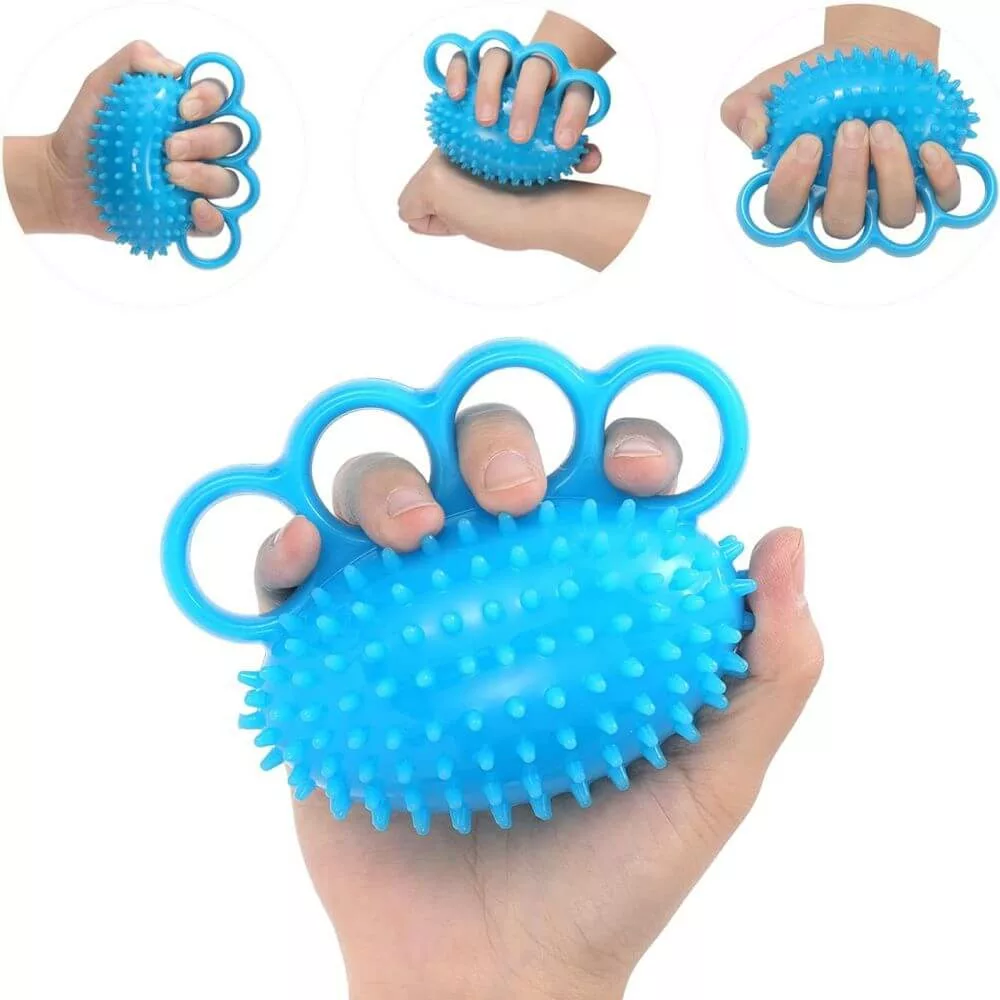
Therapy-Grade Stress Relief & Rehab Crush Grip Trainer
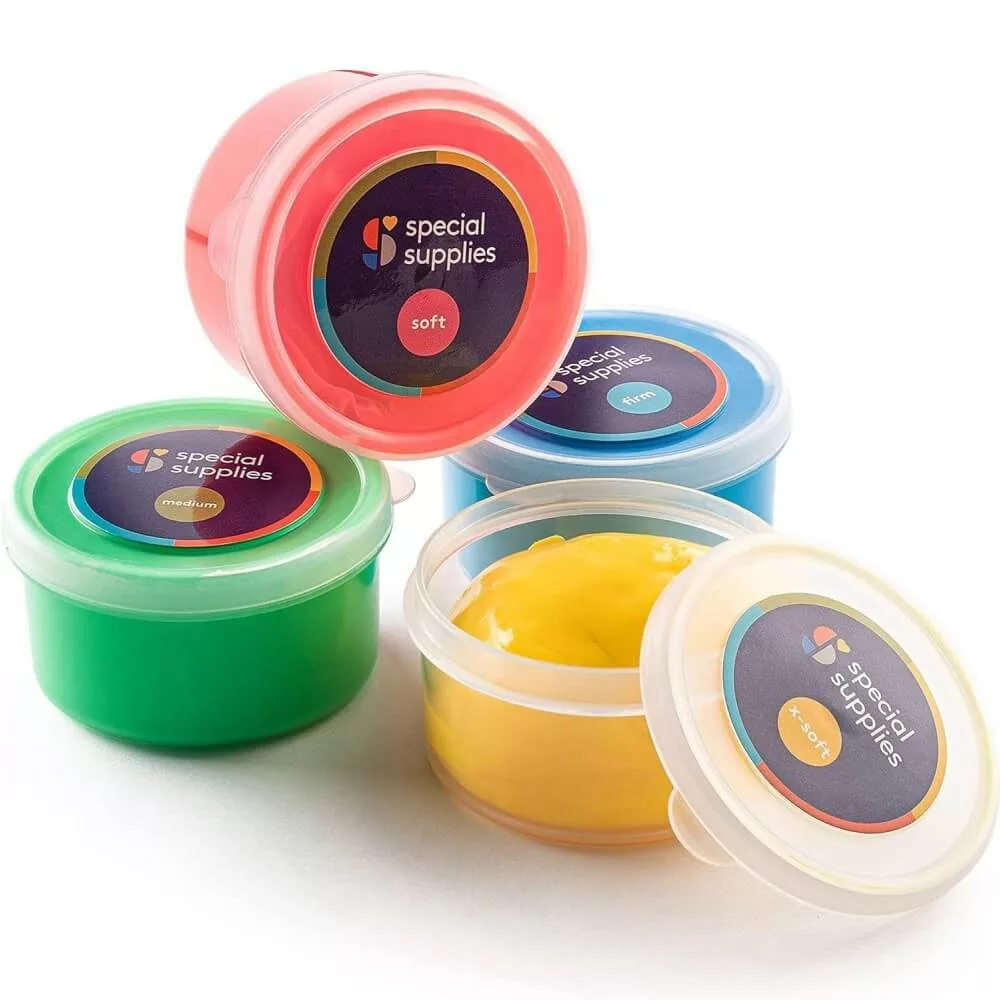
Therapy Putty: Rehab-Grade Hand Recovery & Grip Training?

Can a Finger Splint Really Provide Quick Pain Relief & Recovery?
Recovery tools can also support the process, although they should complement, not replace, the fundamentals of sleep, nutrition, and intelligent programming. Massage, mobility work, heat therapy, and gentle rehabilitation exercises may help improve circulation, reduce stiffness, and keep your hands feeling fresh between sessions.
Build a complete recovery routine:
- Prioritize quality sleep – Most tissue repair and hormonal recovery occur while you sleep, making it one of the most effective recovery tools available.
- Fuel recovery with proper nutrition – Protein, carbohydrates, hydration, and micronutrients all contribute to muscle and connective tissue repair.
- Keep your hands moving gently – Light mobility exercises and stretching help reduce stiffness without creating additional fatigue.
- Support circulation naturally – Walking, light exercise, or gentle forearm movement encourages blood flow to recovering tissues.
- Use recovery tools strategically – Therapy tools can complement good recovery habits but should never replace adequate rest.
- Manage mental fatigue – Reducing stress improves recovery quality just as much as improving physical habits.
Factors That Hinder or Accelerate Recovery
Knowing what influences your recovery can dramatically improve your training results. While everyone recovers at a slightly different rate, several factors consistently determine how quickly your muscles, tendons, and nervous system bounce back after a grip workout.
Nutrition is one of the biggest pieces of the puzzle. After training, your body needs adequate protein to repair damaged tissue, carbohydrates to replenish energy stores, and sufficient fluids to maintain healthy circulation. Missing any of these components can slow the recovery process and reduce the quality of future workouts.
Sleep is equally important. During deep sleep, your body releases hormones that support muscle repair and tissue regeneration. It’s not simply about getting enough hours; sleep quality matters just as much. A consistent sleep schedule and good sleep environment can noticeably improve both recovery and performance.
Stress is another factor that’s often underestimated. High levels of physical or emotional stress can interfere with recovery hormones, making your body slower to repair itself. Even if your workouts are well planned, chronic stress may leave your hands feeling unusually fatigued or slow your overall progress.
Personal factors also matter. Younger athletes often recover more quickly than older adults, while beginners may initially experience more soreness because their bodies are adapting to unfamiliar training. Genetics, overall fitness level, workload outside the gym, and daily hand use all contribute to individual recovery rates.
Instead of comparing yourself to someone else’s timeline, focus on learning how your own body responds. Recovery isn’t identical for everyone, and understanding your personal recovery patterns will help you train more consistently over the long term.
Recovery factors you can control:
- Eat enough protein after training – Protein provides the building blocks your muscles and connective tissues need to repair themselves.
- Improve sleep consistency – Going to bed and waking up at similar times supports better recovery and hormone regulation.
- Manage daily stress – Relaxation techniques, walking, or mindfulness can positively influence physical recovery.
- Stay hydrated throughout the day – Healthy tissues recover more efficiently when hydration levels remain adequate.
- Adjust training to your lifestyle – Busy work schedules, manual labor, or sports participation may require additional recovery time.
- Listen to your body’s feedback – Recovery should be based on performance and readiness, not simply the calendar.

60% Urea Cream: An Aggressive Solution for Serious Skin Damage?

Best Therapy Balls for Stress Relief, Fidgeting & Rehab

Avoid Elbow Pain with Simple Finger Exerciser
Signs of Overtraining and Improved Recovery Practices
Being tuned into your body’s signals is one of the most valuable skills you can develop as a beginner. Progress doesn’t come from constantly training harder; it comes from knowing when your body is ready to push forward and when it needs more time to recover.
Persistent fatigue, declining grip performance, or soreness that never seems to disappear can all be early warning signs of overtraining. If your usual workouts begin feeling unusually difficult or your grip strength starts decreasing instead of improving, your recovery may be falling behind your training.
Recovery isn’t just about muscle healing, either. Irritability, poor sleep, reduced motivation, and difficulty concentrating often accompany physical fatigue. Your nervous system plays a major role in grip performance, and when it’s constantly stressed, your hands simply can’t perform at their best.
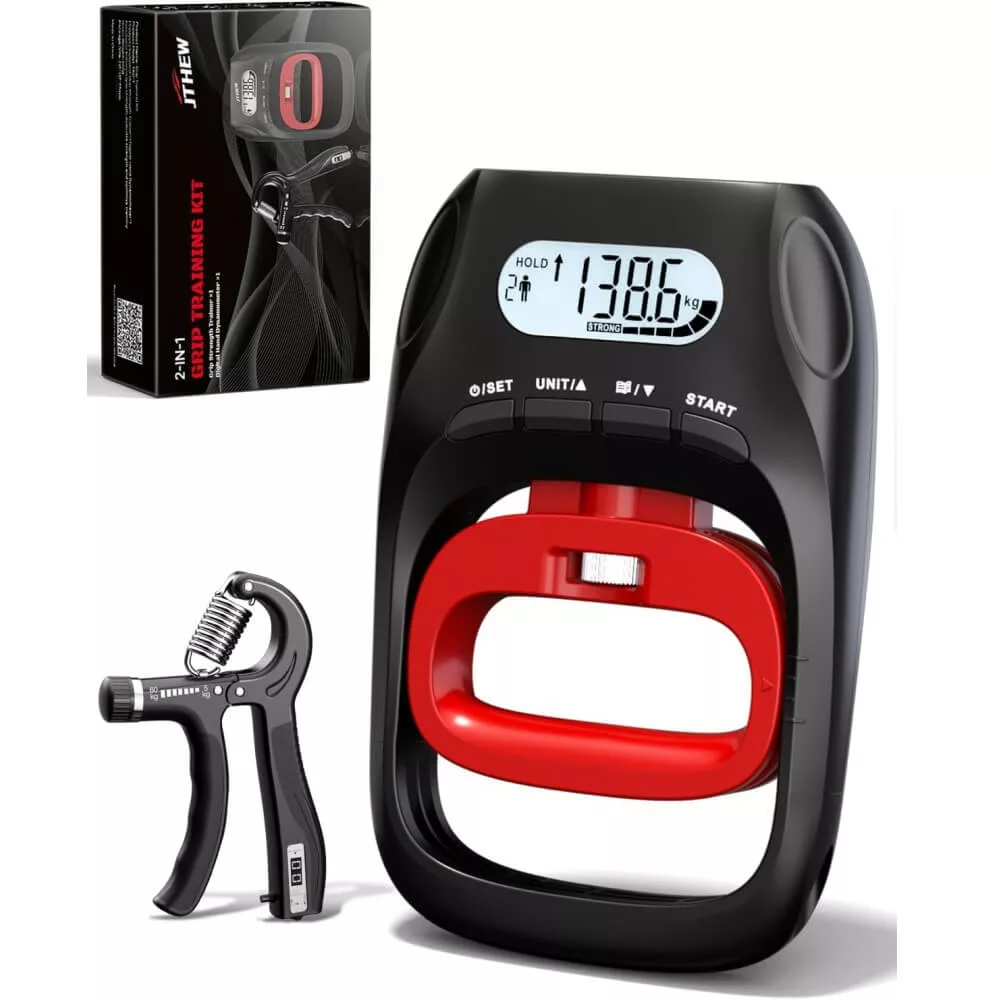
Don’t Guess: Use Grip Dynamometer for Accurate Progress Tracking
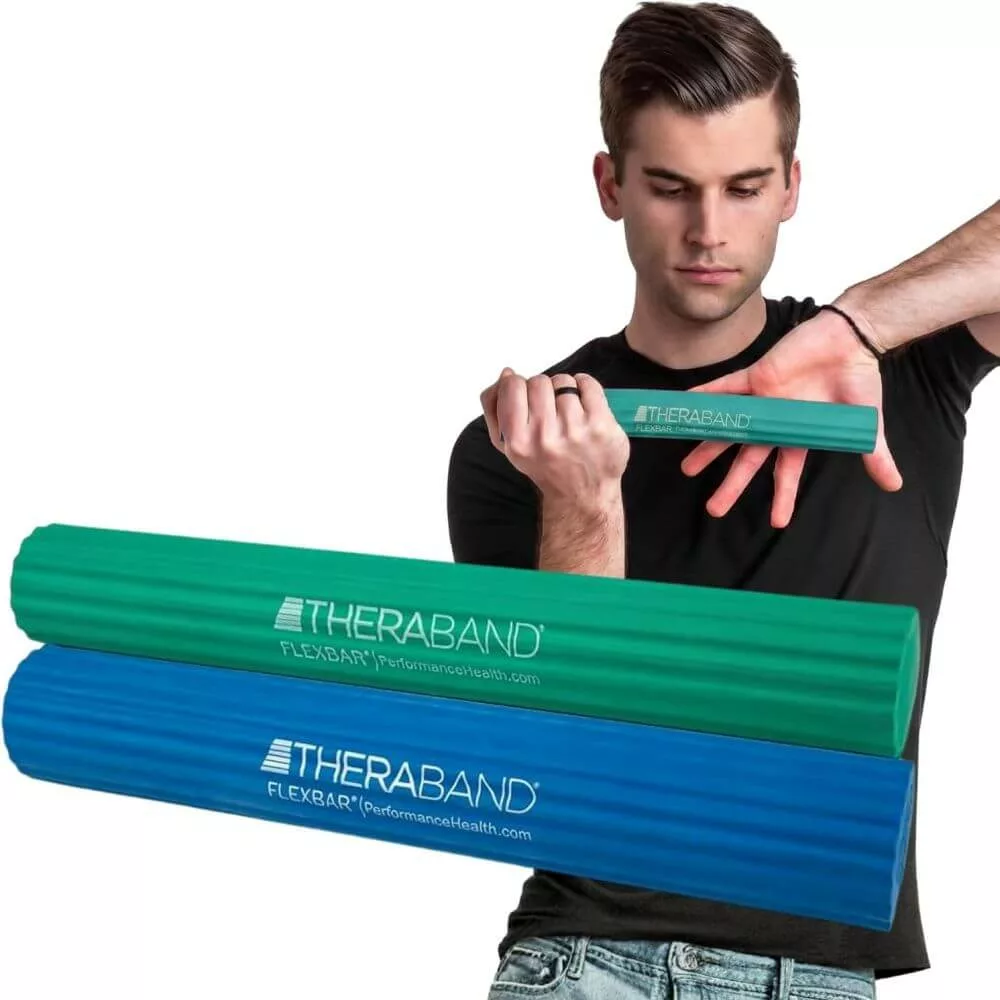
Resistance Bar: Simplest Tool to Rehab Injured Hands?
Fortunately, improving recovery usually doesn’t require drastic changes. Small adjustments, such as adding an extra rest day, reducing training volume for a week, improving sleep quality, or eating more consistently, often produce noticeable improvements within a short period.
Creating a personalized recovery routine is
one of the smartest long-term investments you can make.
Some people recover quickly from heavy grip sessions, while others benefit from additional recovery time. Learning your own recovery patterns allows you to train consistently without constantly battling fatigue or minor injuries.
Signs your body may need more recovery:
- Grip strength is declining – If weights or exercises suddenly feel harder than usual, accumulated fatigue may be limiting performance rather than a lack of strength.
- Soreness lasts several days – Mild soreness is normal, but lingering discomfort often indicates your tissues haven’t fully recovered.
- Your hands constantly feel stiff – Persistent stiffness, especially before training, can suggest your tendons and muscles need additional recovery time.
- Sleep quality is getting worse – Poor sleep often slows tissue repair and reduces your ability to perform during future workouts.
- Motivation continues to drop – Feeling mentally drained before every session may be a sign that your nervous system needs a break.
- Small aches become regular pains – Addressing minor discomfort early is much easier than recovering from a full overuse injury.
The goal isn’t to avoid challenging workouts; it’s to recover well enough that each new session builds upon the previous one. Long-term grip development is built on consistency, and consistency depends on recovery.
Stronger Hands Are Built Between Workouts
One of the biggest mindset shifts for beginners is realizing that progress isn’t measured by how exhausted you feel after a workout. It’s measured by how well your body adapts before the next one.
Every grip session places your muscles, tendons, joints, and nervous system under stress. That’s exactly what should happen. But unless you give those tissues adequate time and resources to recover, they never fully rebuild into stronger, more capable versions of themselves.
Recovery isn’t the opposite of training; it’s part of training.
By prioritizing quality sleep, proper nutrition, intelligent programming, and listening to your body’s feedback, you’ll make steadier progress while dramatically reducing your risk of overuse injuries. Instead of chasing short bursts of improvement, you’ll build hands that continue getting stronger month after month.
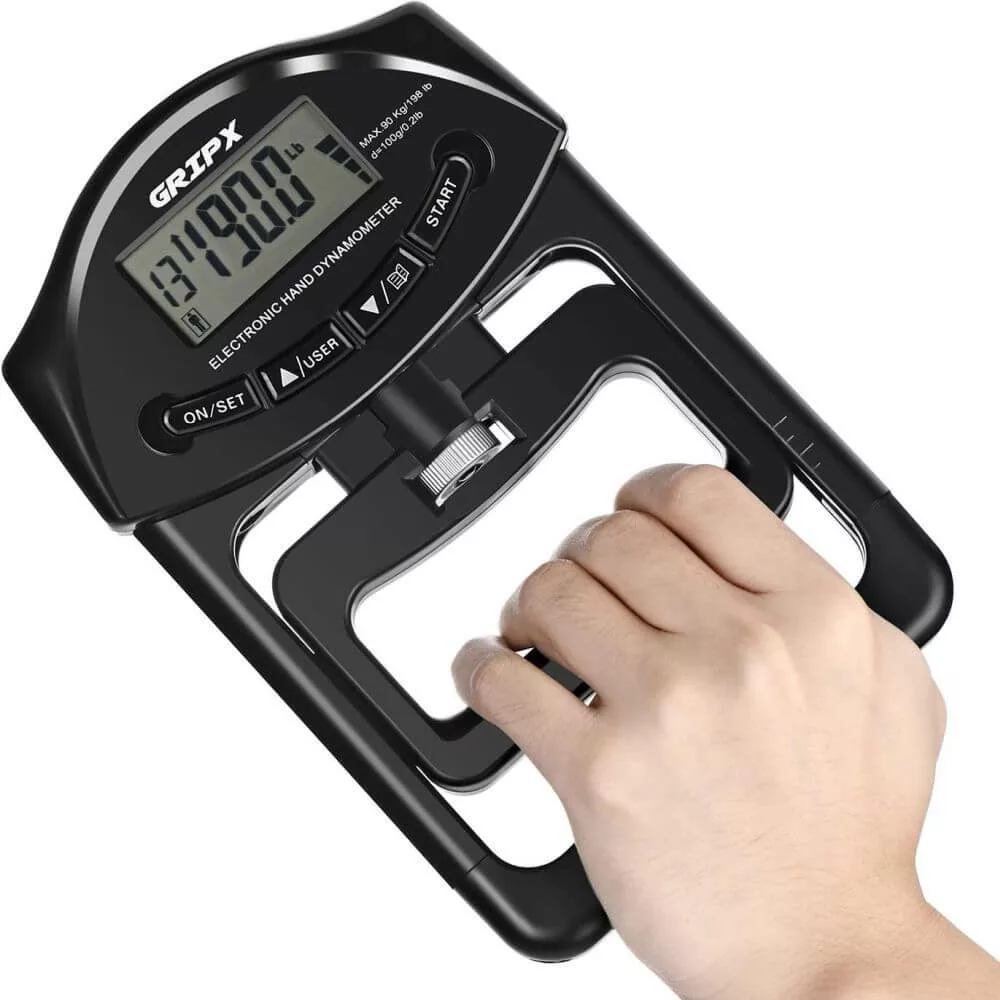
The Best Grip Dynamometer for Home, Sports, & Clinical Use?

Modern Rice Bucket Gadget for Grip & Forearm Training?
Key Takeaway
Training provides the stimulus. Recovery creates the adaptation.
Recovery is where your grip actually develops.
While training provides the challenge, sleep, nutrition, intelligent programming, and adequate rest allow your muscles, tendons, and nervous system to adapt.
Respect recovery as part of your training, not a break from it, and you’ll build stronger, healthier, and more reliable hands over the long term.
Have you noticed bigger improvements after adding more rest, improving your sleep, or changing your training schedule? We’d love to hear what has worked for you.
Thanks for Reading!
How Has Recovery Affected Your Own Grip Training?
Share Your Thoughts in the Comments!
Recommended Next Reads
Now that you understand why recovery is essential, continue building your grip training foundation with these beginner-friendly guides: