(Last Updated on October 12, 2026 by Henry)
The Problem With Tendons vs Muscles
When you’re new to strength training, grip strength can feel a little confusing. You might start using a hand gripper or hanging from a pull-up bar and quickly notice something unexpected: your hands seem to give out long before the rest of your body does.
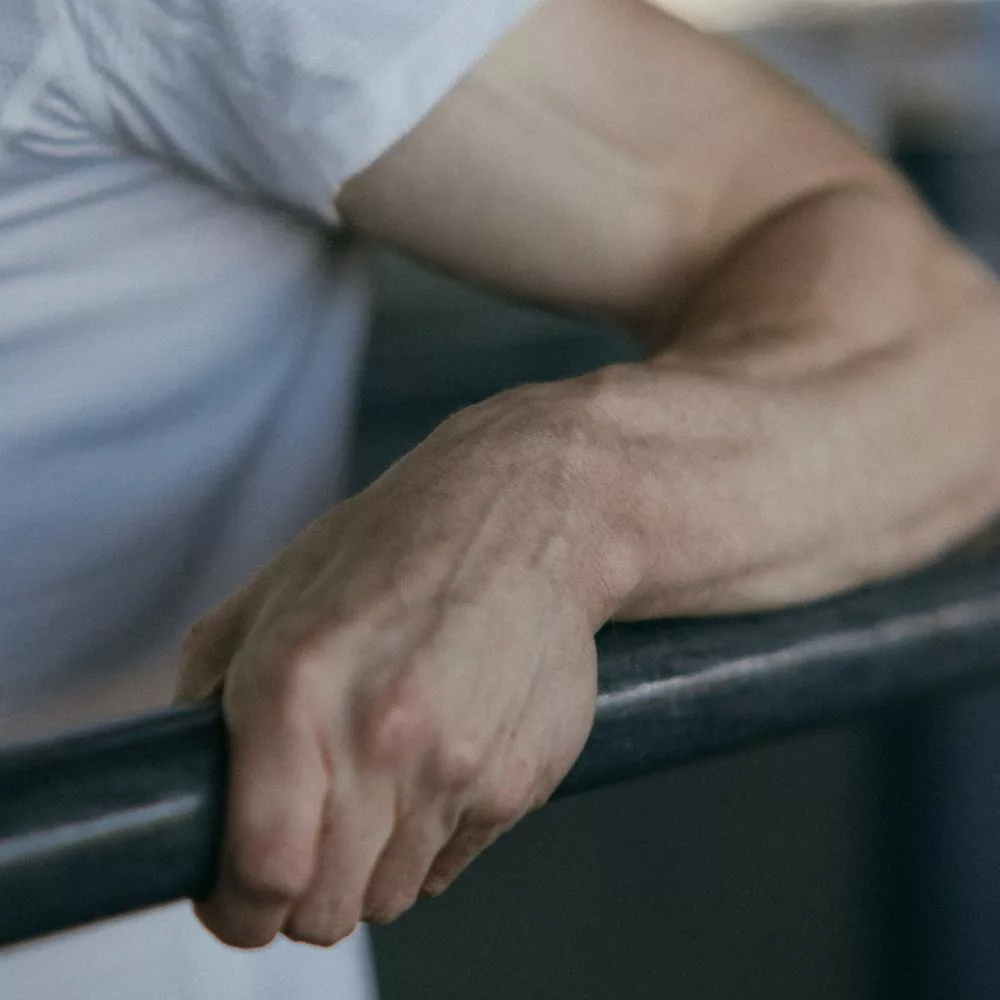
Many beginners immediately assume their muscles are weak, but the truth is usually more nuanced.
At the heart of this confusion is the difference between muscles and tendons.
While muscles generate force and movement, tendons play an equally important role by transferring that force to your bones.
Unfortunately, tendons don’t receive nearly as much attention in fitness conversations as muscles do.
Understanding this distinction can completely change how you approach grip training.
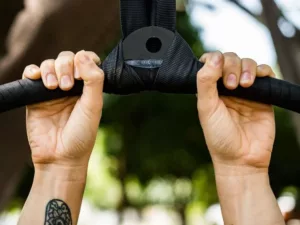
Think about holding onto a pull-up bar. Your forearms might feel like they’re on fire after only a few seconds. In many cases, that’s not because your muscles are incapable; it’s because the entire system is still adapting.
Your muscles, tendons, joints, and nervous system are all learning to work together.
That’s why two people with similar-looking forearms can have vastly different grip strength.
The good news is that this isn’t a limitation; it’s simply part of the process. Once you understand what’s actually getting stronger during training, you’ll develop more realistic expectations and make better long-term decisions.
The goal isn’t to make one structure stronger than the other.
The goal is to build a system that works efficiently, reliably, and remains healthy for years to come.
Spend a few minutes learning about tendons and muscles, and you’ll quickly discover why patience matters so much in grip training:
- Muscles generally adapt faster than tendons.
- Tendons are responsible for transferring force.
- Grip often fails because connective tissues haven’t caught up yet.
- Most beginner grip injuries involve tendons, not muscles.
- Long-term grip strength is built over months and years, not days.
Did You Know There’s A Difference: How Muscles Grow Versus How Tendons Grow.
Your muscles may be ready for next week’s workout.
Your tendons are preparing for next year’s.
Understanding Muscles vs Tendons
Muscles and tendons work together every single time you use your hands, yet many people don’t realize they perform completely different jobs.
Muscles are the engines of movement. They contract and generate force, allowing you to lift, squeeze, pull, and carry objects. Tendons, meanwhile, are the connectors. These strong bands of connective tissue attach muscles to bones and transfer that force into movement.
A simple fist demonstrates this relationship perfectly:
- Your brain sends a signal.
- Your forearm muscles contract.
- Tendons pull on your fingers.
- Your hand closes around an object.
Without muscles, nothing moves.
Without tendons, that movement never reaches the skeleton.
Structure
- Muscles
- Tendons
- Bones
- Joints
- Nerves
Primary Function
- Generate force
- Transfer force
- Provide structure
- Enable movement
- Coordinate the entire system
Many beginners focus entirely on muscle development because that’s what they can see.
Bigger forearms look impressive, but appearance doesn’t always equal performance.
It’s entirely possible to have:
- Large forearms but limited grip endurance – Muscle size doesn’t automatically translate into better hand function or lasting grip performance.
- Strong muscles but irritated tendons – Connective tissues adapt more slowly, which can create a gap between what feels possible and what your body is prepared to handle safely.
- Excellent grip strength with modest muscle size – Efficient movement patterns and healthy connective tissues often matter more than appearance.
- Balanced development across the entire system – The most reliable grip comes from training muscles, tendons, joints, and movement quality together.
Understanding this relationship early helps explain why progress isn’t always linear. Grip strength isn’t just about building bigger muscles; it’s about teaching your entire hand and forearm system to work together efficiently.
Modern Rice Bucket Gadget for Grip & Forearm Training?
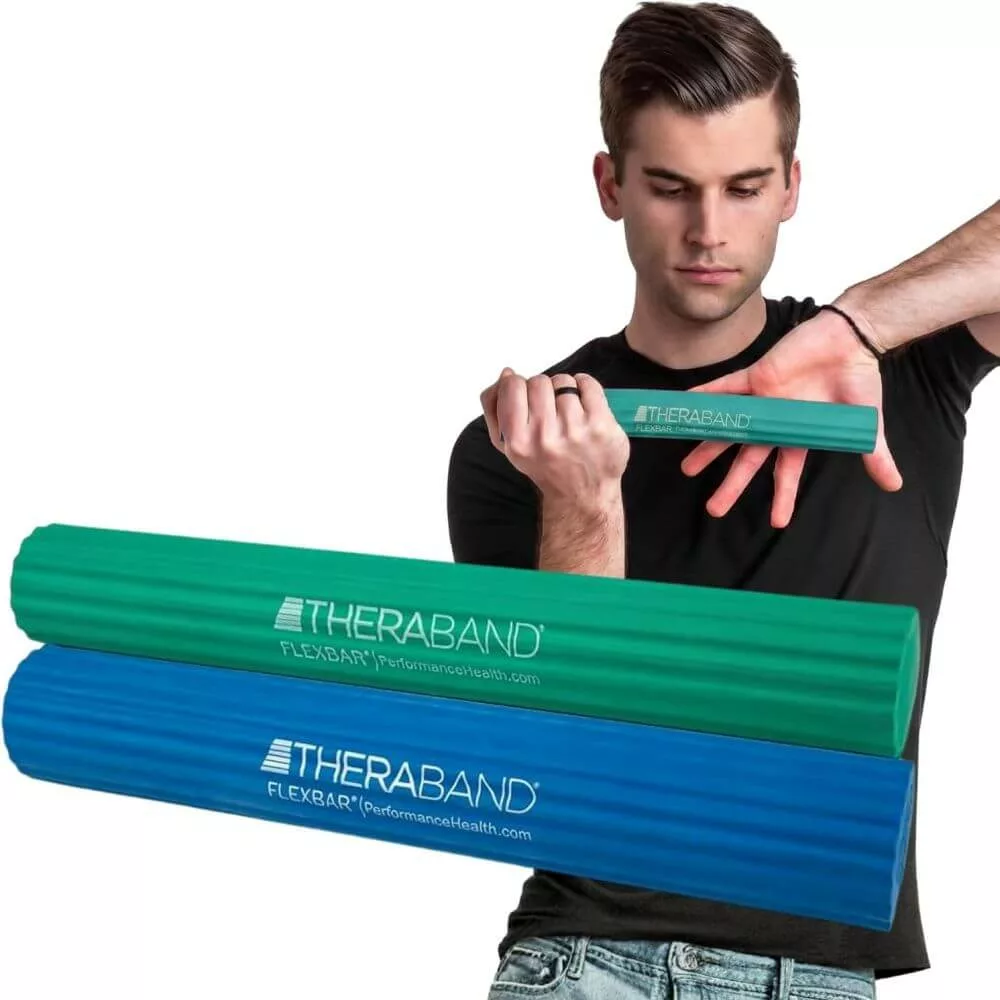
Resistance Bar: Simplest Tool to Rehab Injured Hands?
Training With Long-Term Adaptation in Mind
Building impressive grip strength isn’t about what happens over the next few workouts—it’s about what happens over the next few years.
The strongest people in the world didn’t develop resilient hands overnight. They accumulated thousands of repetitions, respected recovery, and allowed their tendons and muscles to adapt together.
If you’re a beginner, thinking long-term is one of the best habits you can develop.
A sustainable grip routine should include a mix of:
- Progressive overload – Gradually increasing resistance gives both muscles and tendons an opportunity to adapt safely over time.
- Isometric holds – Static exercises like dead hangs help improve grip endurance and strengthen connective tissues.
- Controlled repetitions – Slowing movements down increases time under tension and promotes better tendon adaptation.
- Finger extension work – Training the muscles that open the hand helps maintain balance and supports long-term hand health.
- Recovery practices – Sleep, hydration, and rest days are essential components of any successful grip program.
- Consistent scheduling – Two or three quality sessions per week are often more effective than daily training performed inconsistently.
A beginner-friendly training week might look something like this:
DayFocusMondayGrip TrainingTuesdayRecoveryWednesdayGrip TrainingThursdayMobility & Extension WorkFridayGrip TrainingSaturdayRestSundayRecovery
This type of structure gives your entire system (muscles, tendons, joints, and nervous system) time to improve together.
It also reinforces one of the most important lessons in grip training:
The goal isn’t to build stronger hands as quickly as possible.
The goal is to build hands that remain strong, reliable, and pain-free for decades.
By adopting a long-term mindset, you’ll avoid many of the frustrations that cause beginners to quit. Progress may feel slower at times, but it’s also far more sustainable.
The Best Grip Dynamometer for Home, Sports, & Clinical Use?
Affordable, Consistent Grippers: Best Bang for Your Buck?
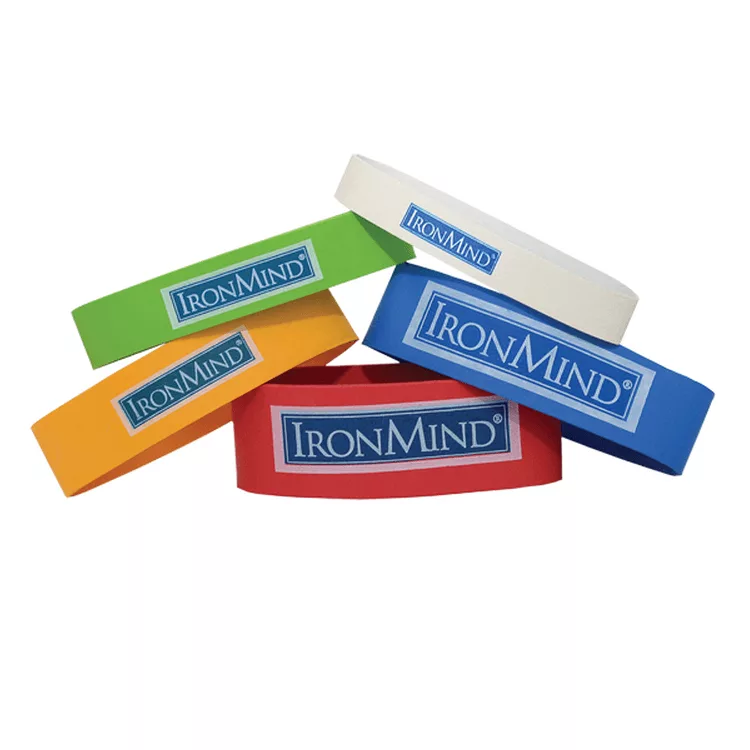
Why are Handbands Staple to Build Hand Muscle Balance?
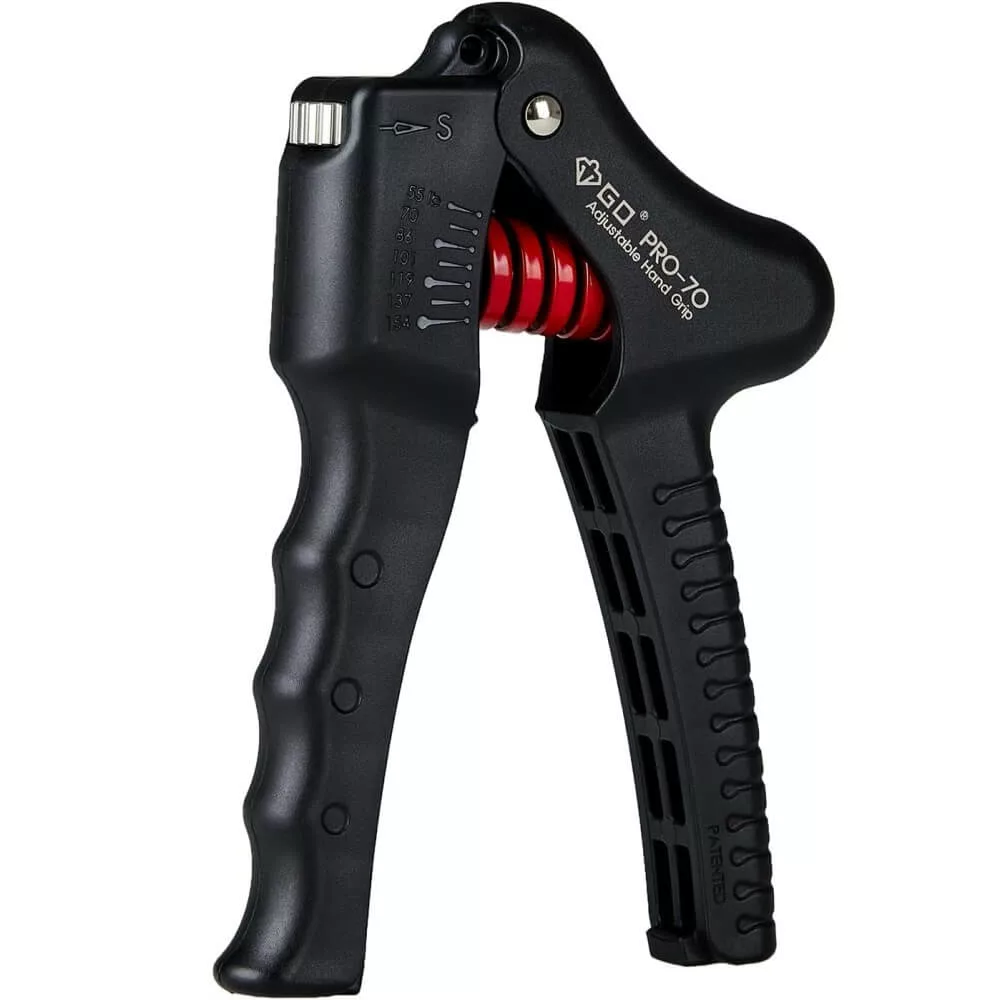
Adjustable Grip Trainer for Steady Strength Progression
The Best Grip Dynamometer for Home, Sports, & Clinical Use?
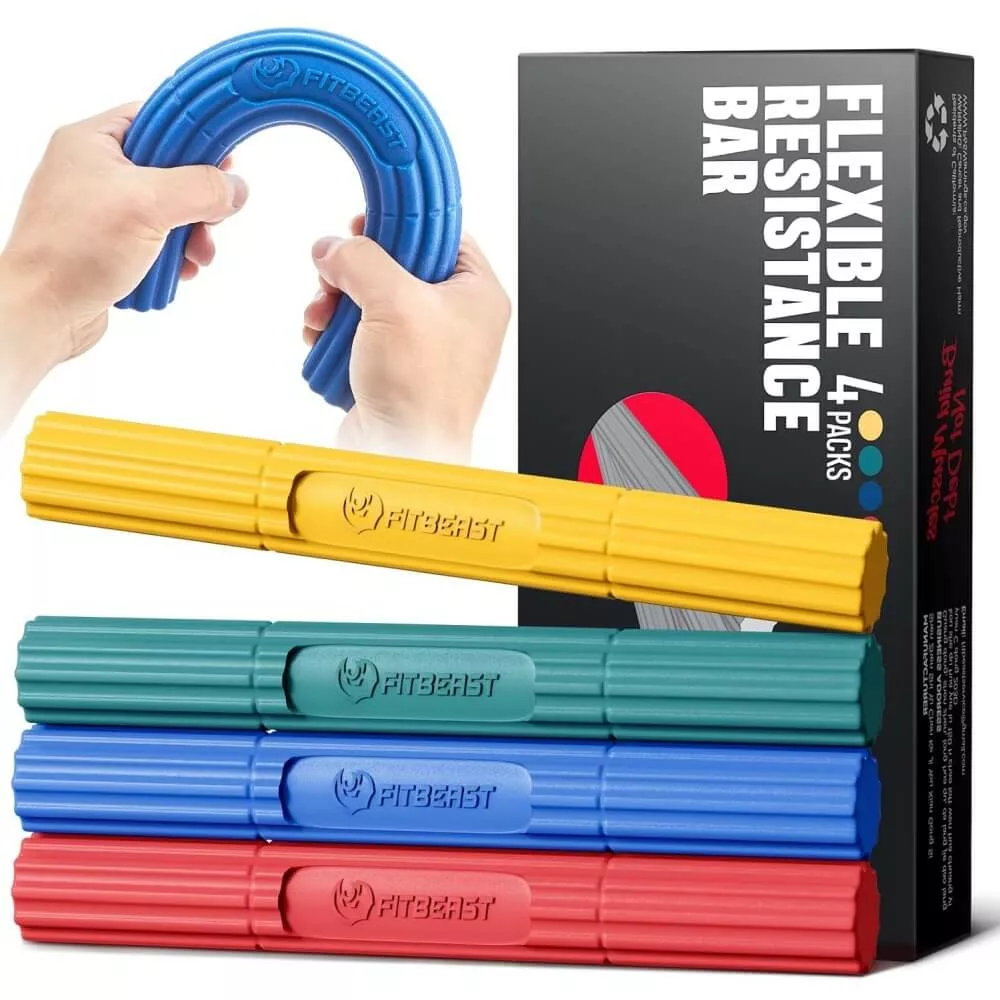
The Best Twist Bar for Hand, Wrist & Elbow Rehabilitation?
Key Takeaway
Grip training is one of the few areas of fitness where patience consistently beats intensity.
Muscles may provide the power, but tendons provide the durability that allows that power to be used safely and repeatedly over time.
The sooner you understand this relationship, the easier it becomes to set realistic expectations, train intelligently, and enjoy the process.
Train for the hands you’ll have 10 years from now.
Thanks for Reading!
Have You Noticed Grip Failing Before the Rest of Your Body?
Share Your Thoughts in the Comments!