(Last Updated on October 13, 2026 by Henry)
Your Beginner Grip Exercise Checklist
Starting grip training doesn’t have to mean buying a pile of equipment or jumping straight into most difficult exercises.
For most beginners, the best approach is to learn a handful of simple movements.
Just train the major functions of your hands, fingers, and wrists without creating unnecessary fatigue.
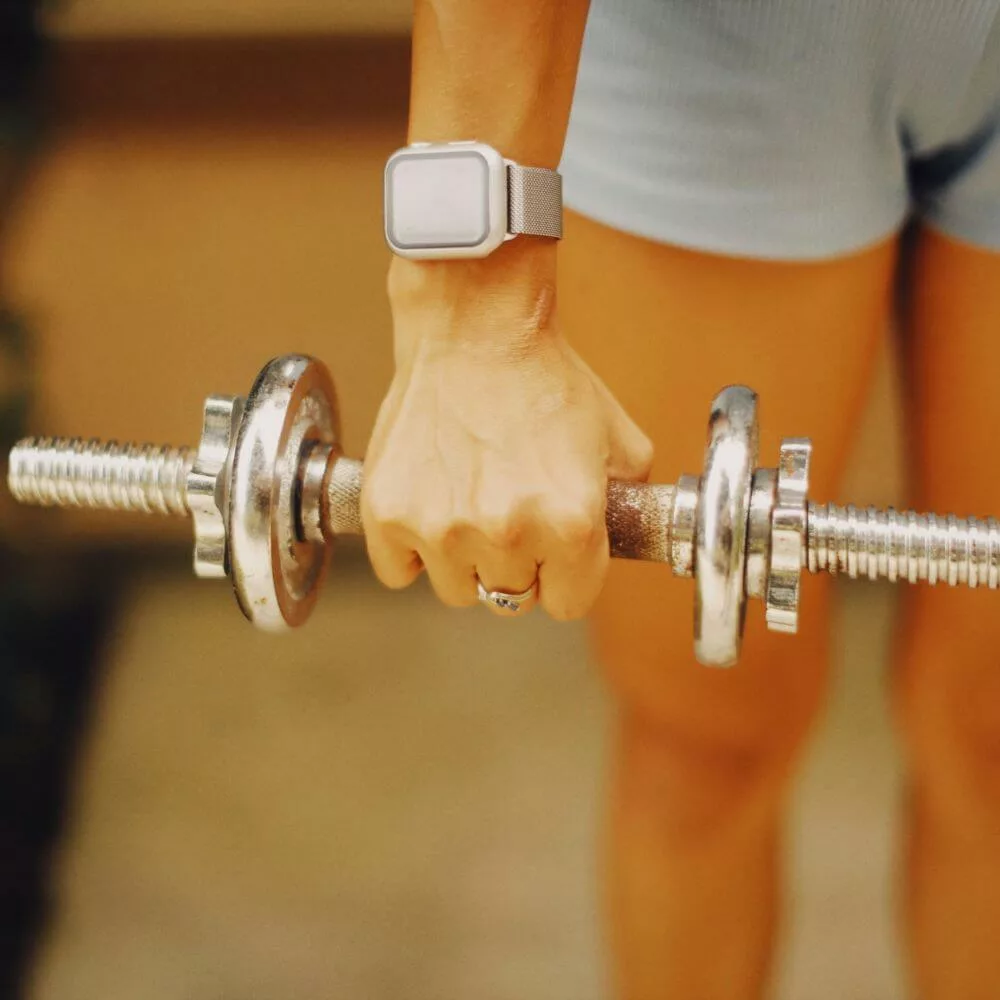
Grip strength is not one single ability.
Your hands need to squeeze, hold, pinch, rotate, and control objects in different positions.
That’s why a good beginner routine should eventually expose your hands to several types of grip rather than relying on one exercise over and over again.
The good news is that you don’t need complicated exercises to get started.
A few well-chosen movements can give you plenty of training stimulus while helping you learn how your hands and forearms respond to resistance.
When choosing beginner grip exercises, look for movements that are:
- Simple to understand – You should be able to learn the basic movement quickly without needing advanced technique or complicated equipment.
- Easy to control – Beginner exercises should let you regulate the resistance and stop the movement before your form breaks down.
- Appropriate for your current strength – Starting too heavy can place unnecessary stress on your fingers, wrists, and tendons before they’ve had time to adapt.
- Useful beyond the exercise itself – The best grip exercises build abilities that transfer to lifting, carrying, climbing, sports, work, and everyday activities.
- Easy to progress – As your grip improves, you should be able to increase resistance, repetitions, hold time, range of motion, or another measurable training variable.
- Balanced across different movements – Training squeezing alone leaves other parts of your grip underdeveloped. A beginner routine should eventually include crushing, pinching, supporting, rotating, and opening the hand.
You also don’t need to train every movement in every session. The goal at this stage is to understand what each type of exercise does and gradually build a balanced foundation.
One of the biggest beginner mistakes is assuming that the exercise that makes your forearms burn the most must automatically be the best one.
That’s not necessarily true. Effective grip training is about applying an appropriate challenge consistently, recovering from it, and gradually becoming capable of handling more.
Many of you are stronger than you realize,
but you’re just held back a bit by your grip strength.
The Best Beginner Grip Exercises to Start With
If you’re completely new to grip training, start with exercises that are easy to learn and easy to scale.
You don’t need to test your maximum strength right away.
Your first goal is to teach your hands and forearms how to produce and control force.
Here are some of the most useful exercises to begin with:
- Hand gripper squeezes – A gripper provides a straightforward way to train crushing grip by repeatedly closing your hand against resistance. Start with a resistance that allows controlled repetitions rather than immediately choosing the hardest gripper you can barely move.
- Farmer’s carries – Holding weights while walking trains your support grip, wrist stability, and ability to maintain force over time. Start with manageable weights and concentrate on keeping your wrists controlled rather than simply trying to carry as much as possible.
- Dead hangs – Hanging from a pull-up bar gives your fingers and hands a simple isometric challenge. Begin with short, comfortable holds and gradually increase the duration as your grip becomes more reliable.
- Plate pinches – Holding smooth weight plates between your fingers and thumb develops pinch grip. Use light plates initially and focus on maintaining a secure pinch without allowing the plates to slide.
- Wrist curls – Wrist curls directly train the muscles responsible for wrist flexion and can help beginners develop the forearm strength that supports many gripping movements. Use light resistance and controlled repetitions.
- Reverse wrist curls – Training the opposite direction helps balance wrist musculature rather than focusing exclusively on flexion. This is especially useful when you’re building a basic grip routine from scratch.
- Finger extension exercises – Resistance bands designed for the fingers train the muscles that open the hand. They’re a simple way to complement all the squeezing and gripping work beginners naturally tend to favor.
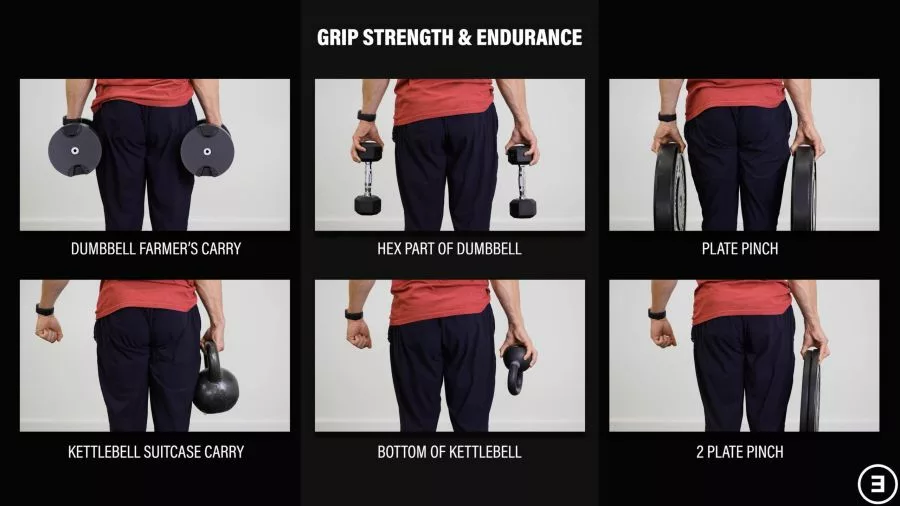
The important point is that these exercises aren’t competing with one another. They address different pieces of your overall grip ability.
A gripper may be excellent for crushing strength, but it doesn’t replace pinch training. A farmer’s carry can build impressive support endurance, but it doesn’t directly train the same qualities as finger extensions. A balanced routine uses these differences to your advantage.
For most beginners, there’s no reason to perform every exercise at maximum intensity. Start with a small selection, learn the movements, and pay attention to how your hands and forearms respond over the following days.
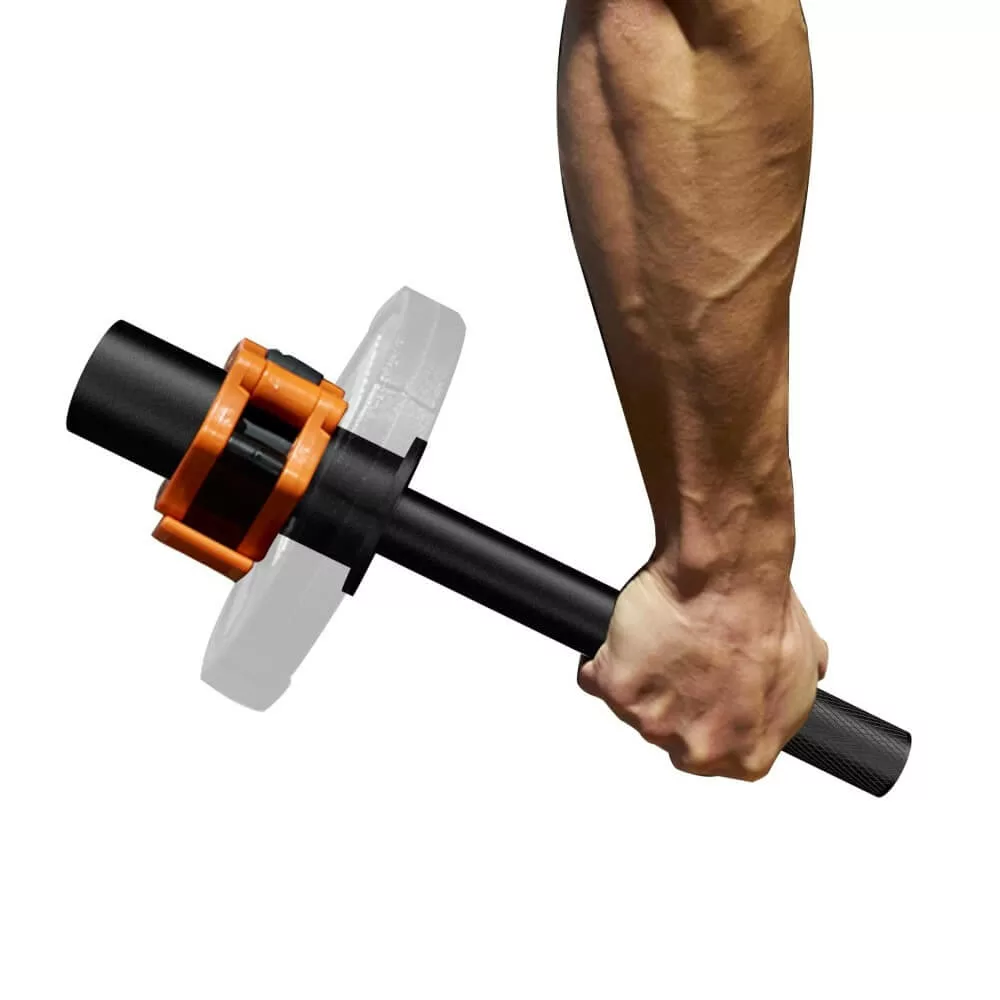
Wrist Strength Without Weak Links: Build Forearm Power & Control
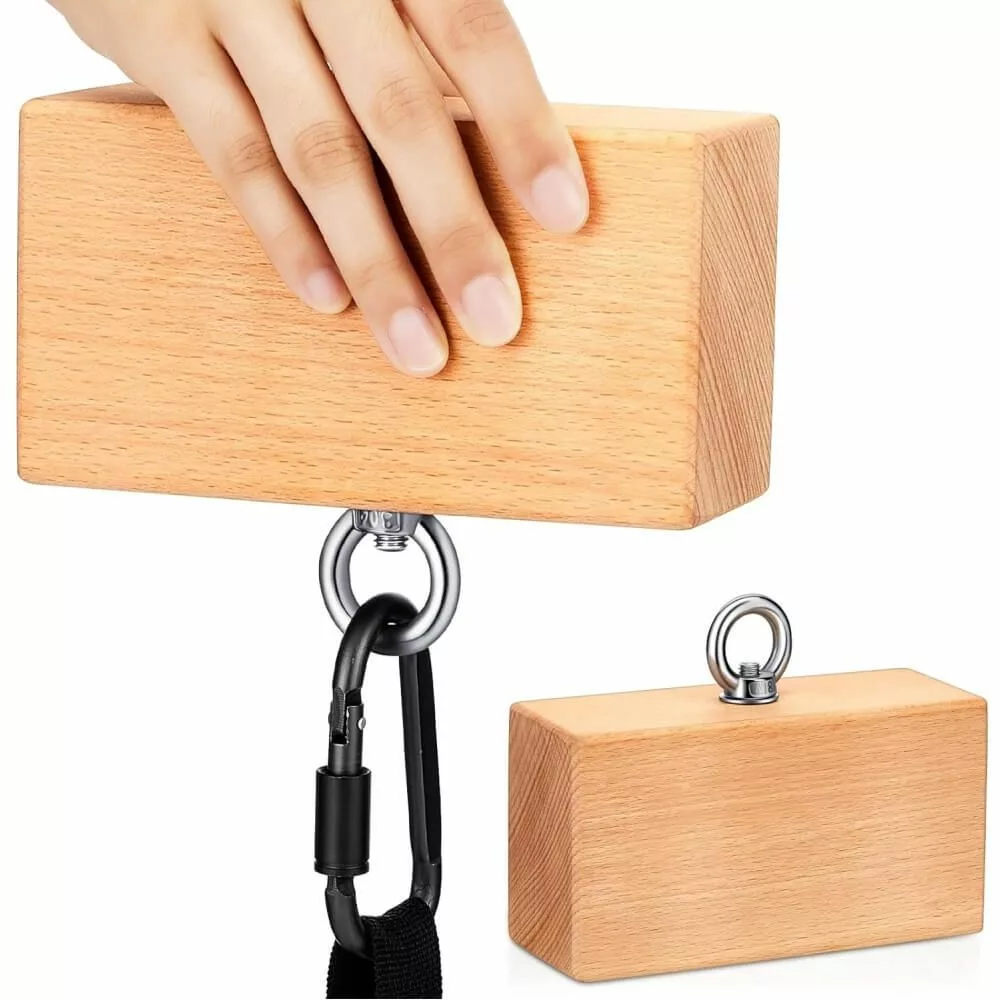
Train Your Thumbs with a Simple Pinch Block

The Iconic Grip Workhorse for Serious Strength?
How to Perform These Exercises Safely
The exercises themselves are only part of beginner grip training.
How you perform them matters just as much, particularly because the hands and fingers contain relatively small structures that can be exposed to repeated loading.
Beginner session should feel challenging without leaving hands beaten up:
- Start lighter than your ego wants – Your hands may feel capable of handling more resistance than your connective tissues are ready for. Beginning conservatively gives your fingers, wrists, and tendons time to adapt.
- Use controlled repetitions – Avoid rapidly squeezing, jerking, or bouncing through exercises simply to finish a set. Controlled movement makes it easier to maintain good technique and recognize when fatigue is affecting your form.
- Stop before technique deteriorates – A few quality repetitions are more useful than forcing additional repetitions with poor positioning. When your hand position or wrist control starts breaking down, the set has probably done its job.
- Don’t train through sharp pain – Normal muscular effort and mild fatigue are different from sharp, persistent, or worsening pain. Pain is a reason to stop and reassess rather than something you need to overcome.
- Give your hands time to recover – Grip work can accumulate quickly because your hands are also involved in lifting, typing, carrying, climbing, sports, and other daily activities. Recovery needs to account for all of that stress.
- Progress gradually – Increase resistance, repetitions, hold time, or difficulty in small steps. You don’t need to make every workout harder than the previous one.
Another useful habit is to pay attention to your wrists while you train. Your wrists don’t have to be perfectly rigid during every exercise, but uncontrolled bending or excessive movement can change where the resistance is being applied.
Beginners should also resist the temptation to turn every exercise into a maximum-strength test. Your first few weeks are an opportunity to establish movement quality and discover how much training you can recover from.
That’s especially important with finger-intensive exercises. Fingers and their supporting tissues can take time to adapt, so a conservative approach often produces better long-term results than aggressive loading followed by several days of discomfort.
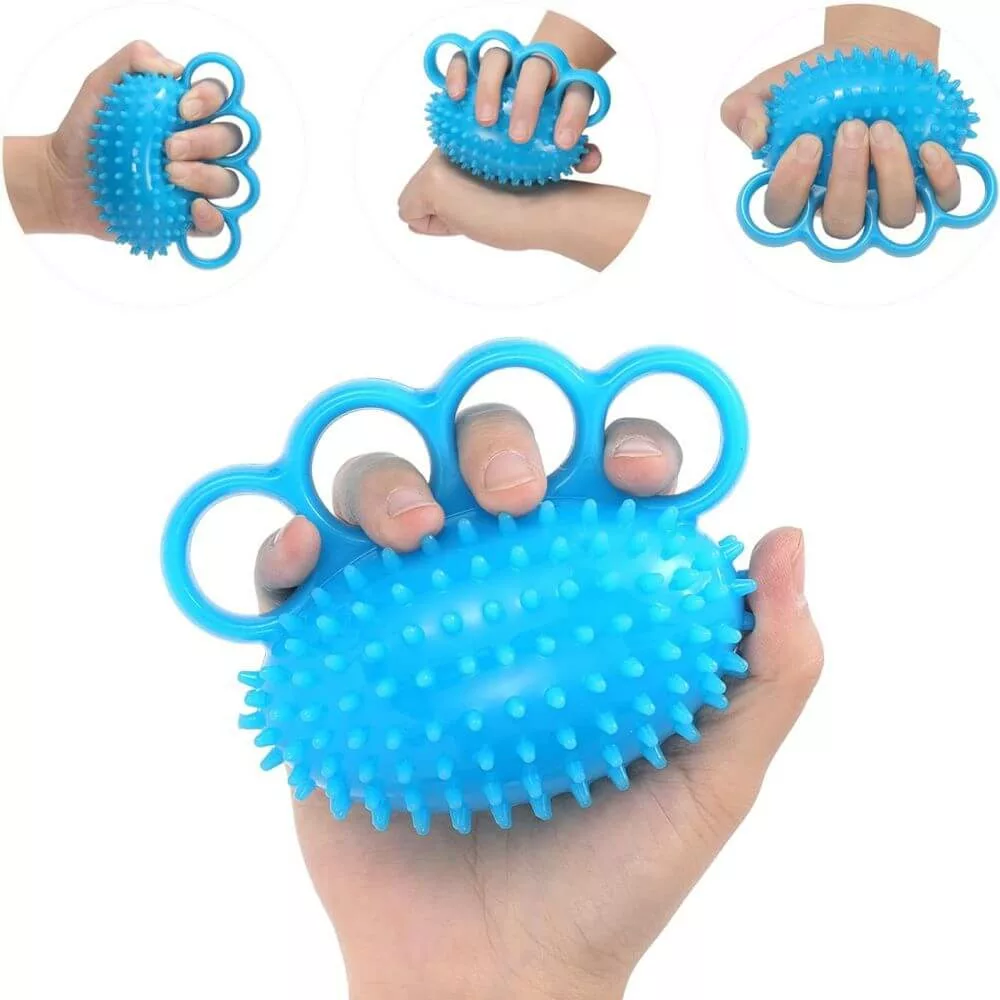
Therapy-Grade Stress Relief & Rehab Crush Grip Trainer
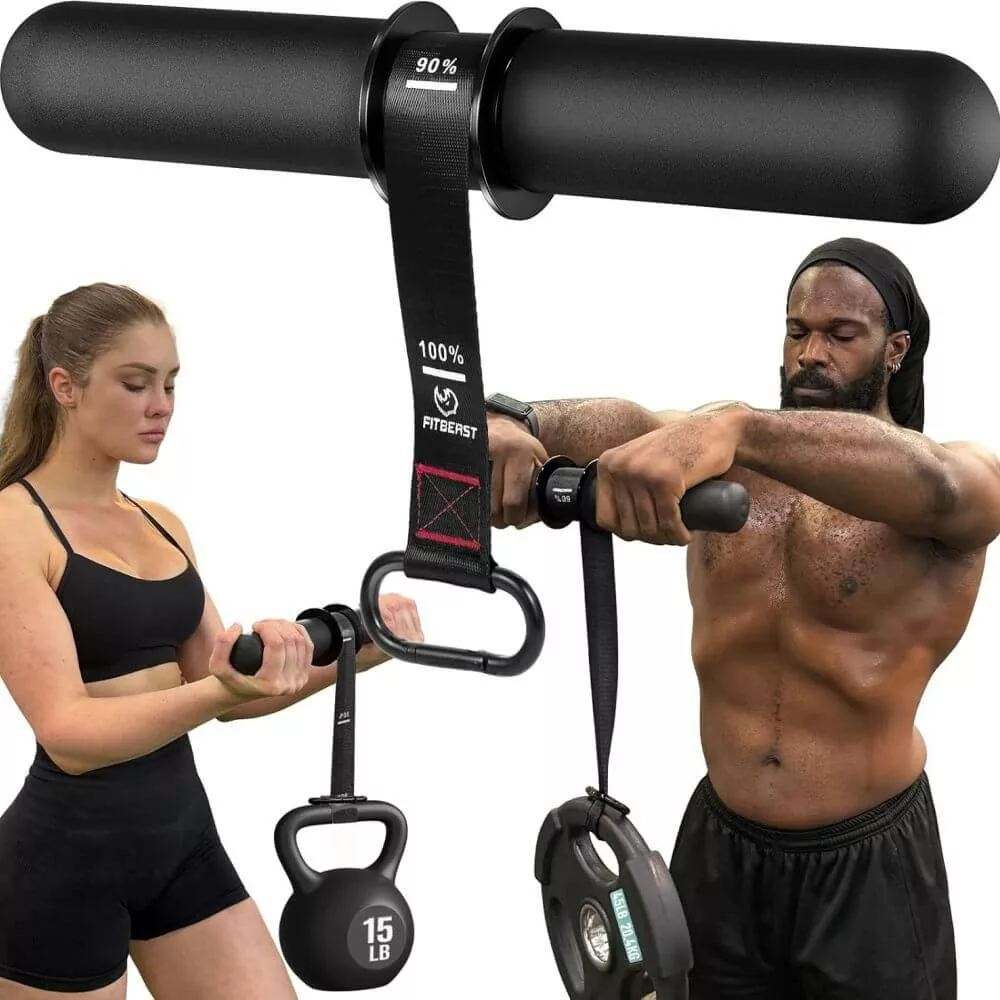
Simple Wrist Roller for Grip & Forearm Muscle Power
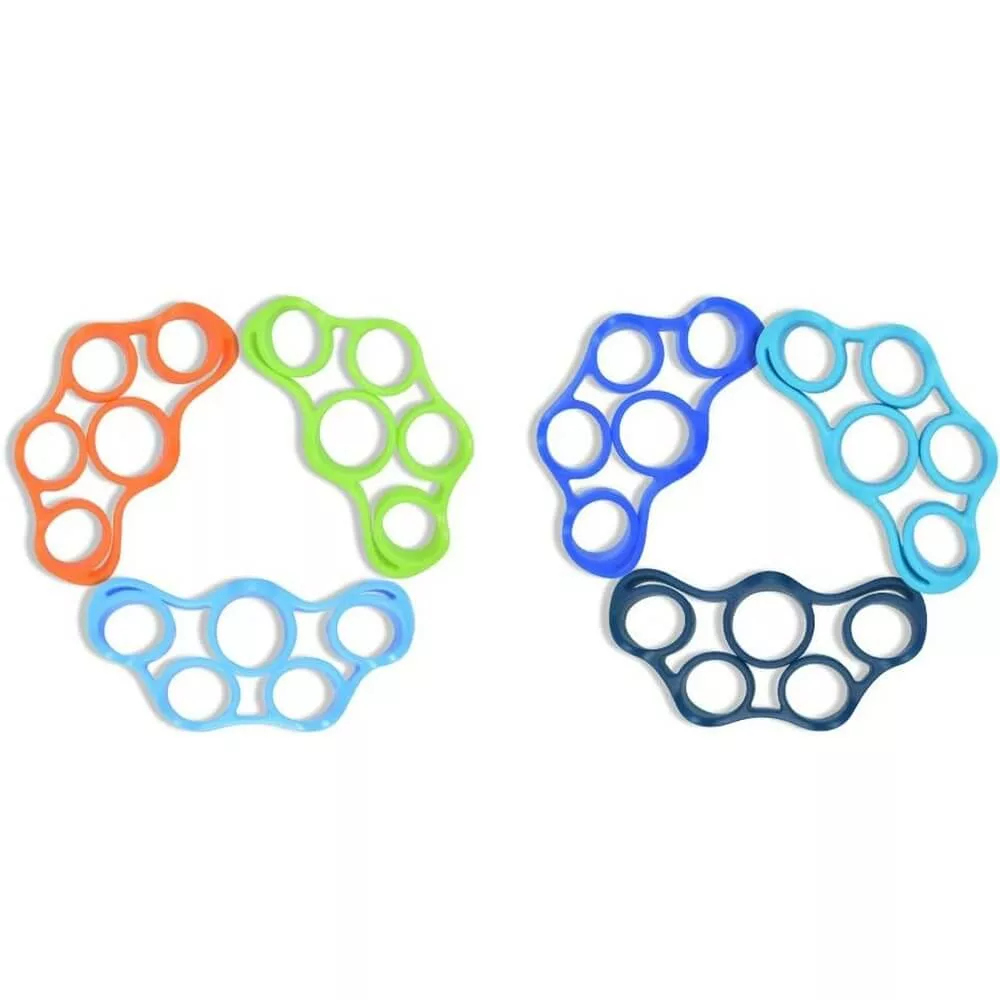
Avoid Elbow Pain with Simple Finger Exerciser
You don’t need an enormous exercise library to build a stronger grip.
Start with a few movements that cover different functions, learn how they feel, and gradually increase the challenge as your hands and forearms adapt.
If you’re building your first grip-training system, think in terms of coverage rather than quantity.
A combination of crush, pinch, support, wrist rotation, and finger extension gives you a much more complete foundation than performing dozens of variations of the same squeeze.
The best grip exercise is the one you can perform consistently, progress gradually, and recover from.
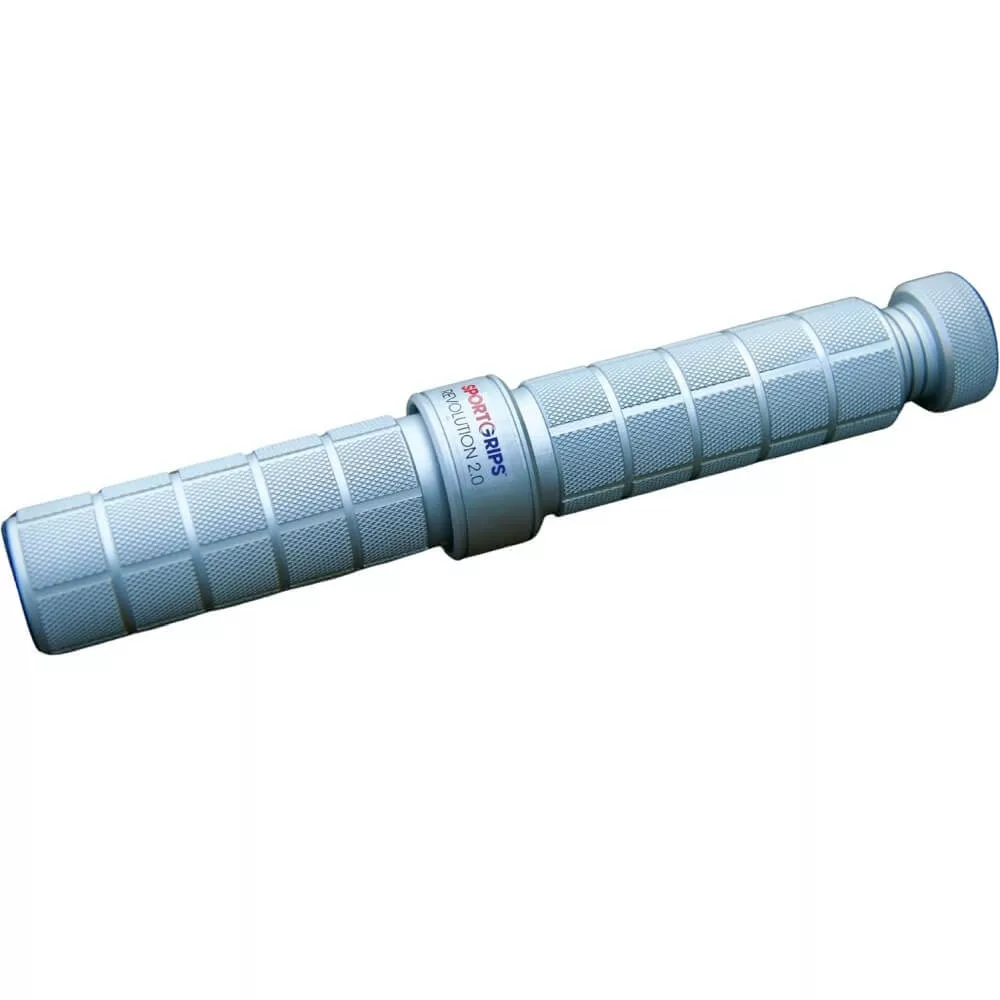
Elite Wrist & Forearm Trainer for Strength & Rehab?
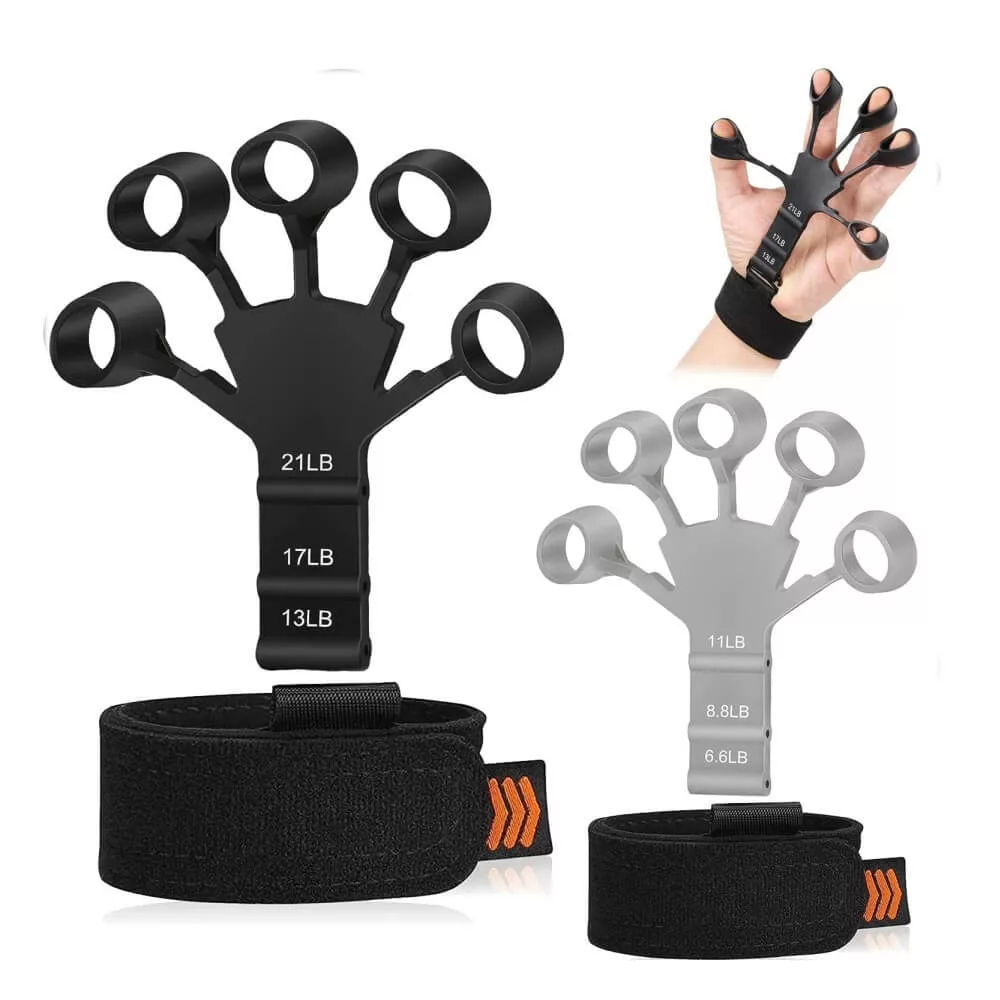
Fun & Affordable Way to Rehab Weak Hands

Transform Every Barbell into Axel with Fat Bar Handles?
Key Takeaway
The best grip exercises for beginners are simple, controllable movements that collectively train the major functions of the hand and wrist.
Start with manageable resistance, learn good technique, recover properly, and progress one variable at a time.
You don’t need to train everything at once. You just need to start with the right foundations and build from there.
Thanks for Reading!
What Grip Exercise Are You Planning to Try First?
Share Your Thoughts in the Comments!