(Last Updated on September 20, 2026 by Henry)

Build Stronger Hands by Understanding How Recovery Fits Into the Training Process

Grip training is often treated as a simple equation: train hard, get stronger, repeat.
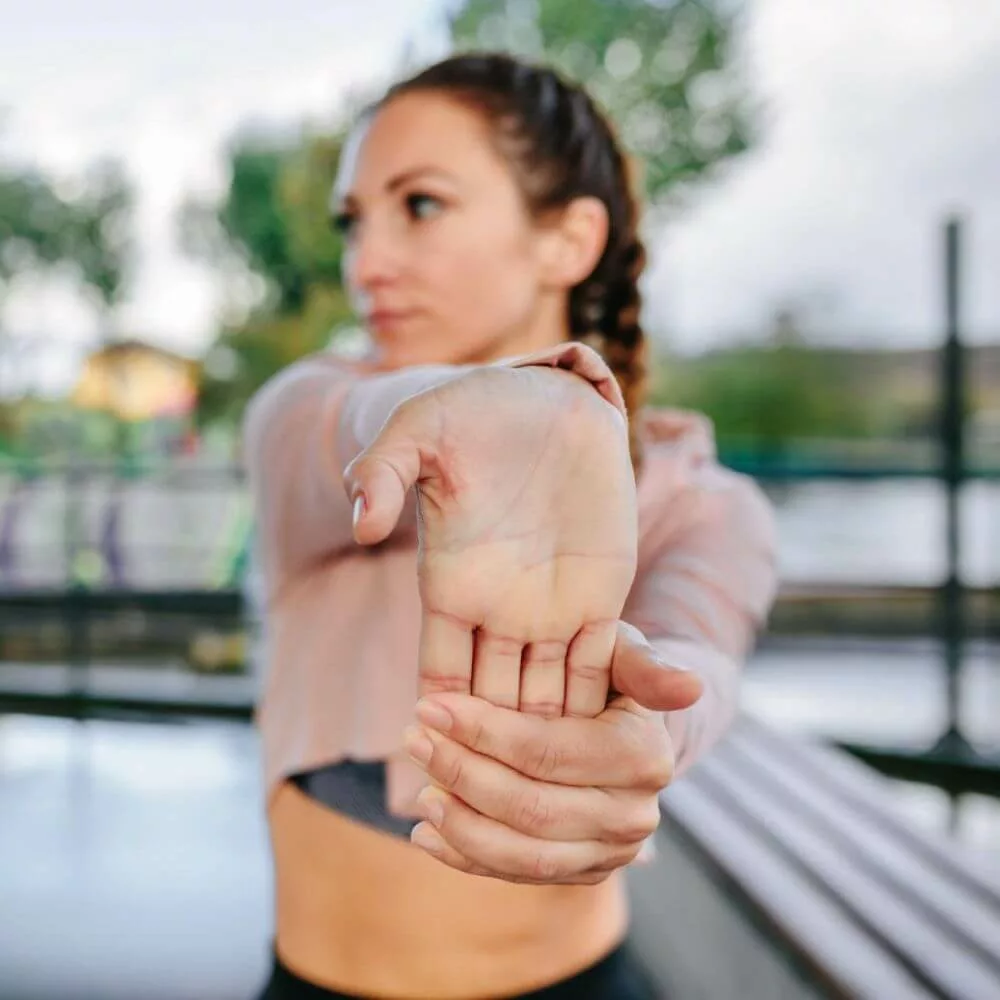
But your hands, fingers, wrists, and forearms do not become stronger while you are squeezing a gripper, hanging from a bar, carrying a heavy load, or working through a demanding training session.

Training provides the stimulus.

Recovery is where your body gets the opportunity to adapt to that stimulus.

That makes recovery a fundamental part of grip training rather than something you only think about when your hands become sore or tired.

This is especially important for beginners because grip work can overlap with almost everything else you do. Pull-ups, rows, deadlifts, climbing, combat sports, manual work, gaming, typing, and everyday hand use can all contribute to the workload your hands have to handle.

Understanding recovery helps you make better decisions about training frequency, resistance, volume, and rest before small problems become reasons to stop training altogether.

If you’ve injured your hand, finger, or wrist,
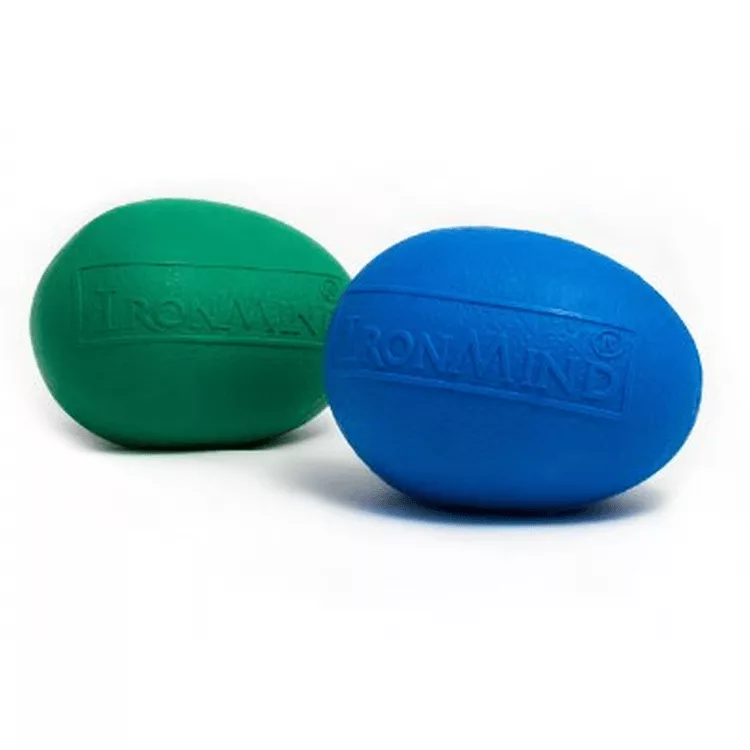
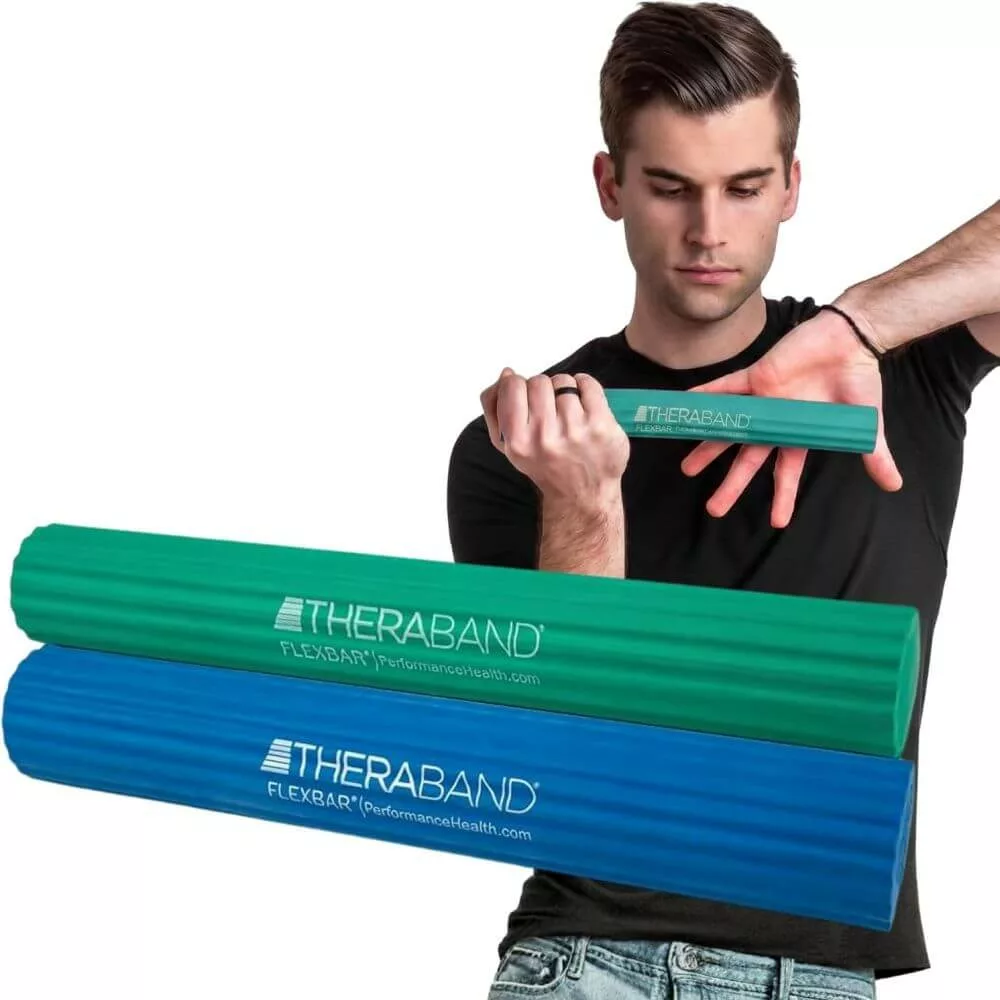
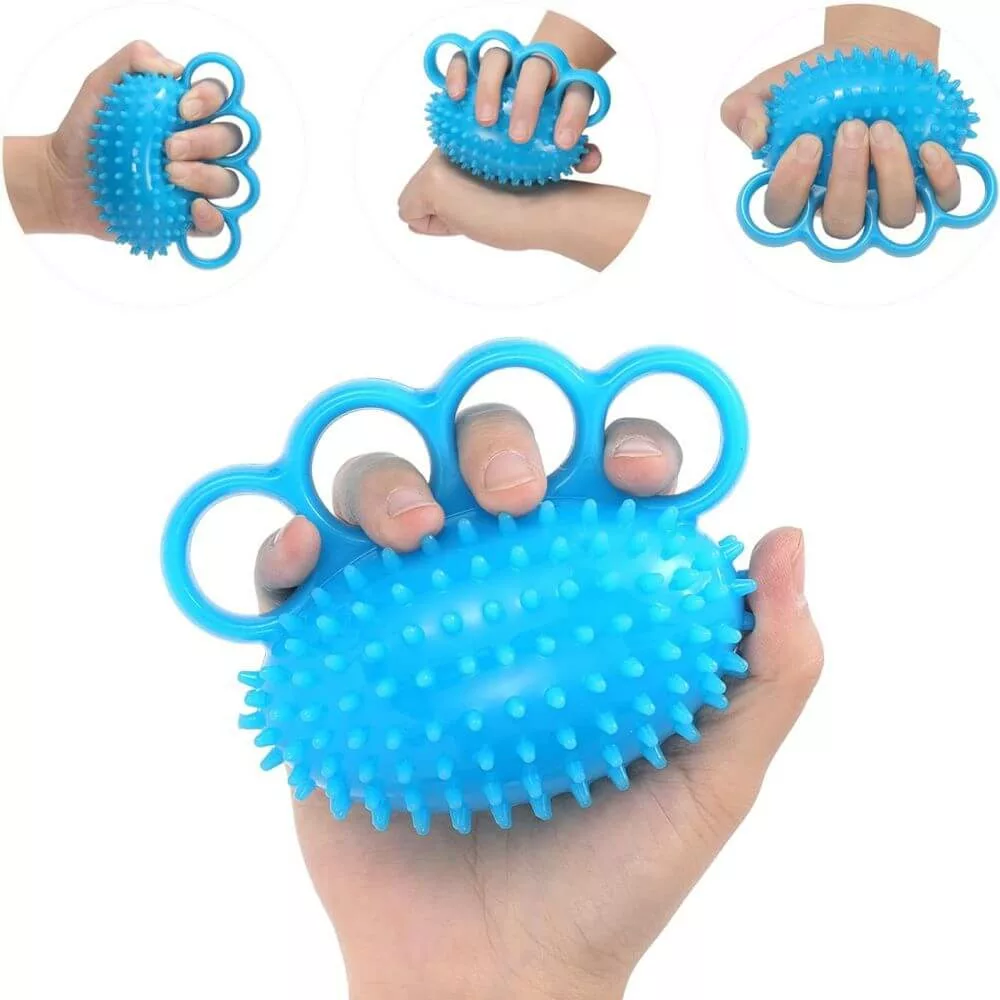
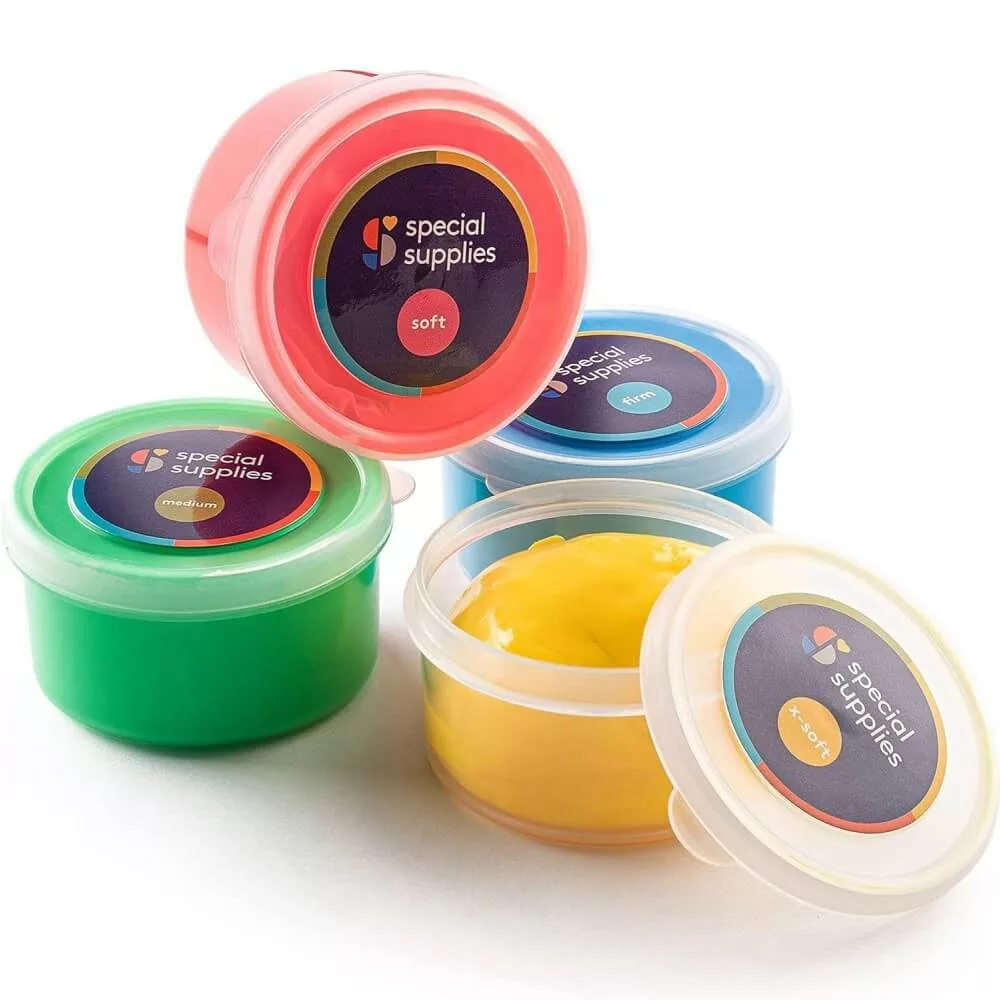
a set of finger extension bands & hand exercisers is a good place to start.

1. What Recovery Actually Means in Grip Training

1. What Recovery Actually Means in Grip Training

Recovery does not simply mean waiting until your hands stop feeling sore.

After training, your body is responding to the workload you have given it. Muscles may experience fatigue, connective tissues have been exposed to mechanical stress, and your nervous system may temporarily become less capable of producing the same level of performance.

With appropriate training and enough recovery, your body can adapt to those demands.

That adaptation is what allows you to handle more work over time.

Training Creates the Stimulus

Every grip session creates a certain amount of stress.

A heavy gripper session, for example, places a different demand on your hands than a long farmer’s carry. A pinch block challenges your thumb and fingers differently from a hangboard, while wrist rotation exercises create another type of workload altogether.

The important point is that training stress is not automatically the same thing as productive training.

More stress does not necessarily produce more progress. The useful stimulus is the amount of training your body can adapt to while still recovering well enough to perform future sessions.

Recovery Gives You Room to Adapt

Recovery is the period in which your body deals with the demands created by training and prepares for the next challenge.

That does not mean you need to completely avoid using your hands between workouts. Normal movement and everyday activity are part of life.

Instead, you want enough recovery capacity that your next meaningful training session is not simply performed on top of unresolved fatigue.

A good training routine therefore has two parts:

Apply a manageable training stimulus: Give your grip a reason to adapt through resistance, repetitions, duration, or another appropriate challenge.

Allow enough recovery to respond: Give your body sufficient time and resources to handle that workload before repeatedly adding more stress.

Both matter.

2. Learn to Recognize the Difference Between Training Fatigue and a Problem

2. Learn to Recognize the Difference Between Training Fatigue & a Problem

Some fatigue is a normal part of training.

Your grip may feel tired after a workout. Your forearms may feel worked. Your maximum squeezing strength may temporarily be lower than usual. You may notice that a familiar exercise feels more difficult later in the session.

Those responses do not automatically mean something is wrong.

The more useful question is what happens after the training session.

Normal training fatigue should generally trend toward improvement as you recover. If your performance repeatedly deteriorates, discomfort continues to increase, or ordinary hand use becomes difficult, that deserves more attention than simply pushing through it.

Short-Term Fatigue Is Not the Same as Persistent Irritation

A tired grip and a painful grip are not interchangeable.

Fatigue is often related to the workload you just performed and may improve with rest. Persistent or worsening pain, swelling, unusual sensations, significant loss of function, or symptoms that interfere with normal activities are different situations.

This is one reason beginners should avoid judging every sensation by the same standard.

Ask what is changing over time: A little fatigue after training is very different from symptoms that become more frequent, more intense, or slower to settle from one session to the next.

Your recovery response is useful information. You do not have to wait until something becomes severe before adjusting your training.

3. The Main Factors That Affect Grip Recovery

3. The Main Factors That Affect Grip Recovery

Recovery is influenced by much more than the number of days between grip workouts.

Your total workload, sleep, nutrition, stress, training intensity, exercise selection, and everyday activities can all influence how prepared you are for another demanding session.

This is why there is no single recovery schedule that works perfectly for everyone.

Training Volume and Intensity

The amount of work you perform matters.

Ten easy repetitions and ten near-maximal repetitions may have the same number of reps, but they do not necessarily create the same training demand.

Likewise, a short heavy gripper session and a long endurance-oriented grip workout can produce very different types of fatigue.

If you increase resistance, sets, repetitions, duration, or training frequency all at once, you can dramatically increase the overall workload without realizing it.

Your Other Activities Count Too

Grip training does not happen in isolation.

If you perform heavy pulling exercises at the gym, spend several hours climbing, work with tools, or participate in a sport that demands substantial hand strength, those activities contribute to your total hand workload.

The same principle applies to repetitive everyday activities.

A person who spends much of the day typing or using a mouse may have a very different recovery situation from someone whose hands are mostly resting outside their training sessions.

Count the whole workload: Your grip recovery needs to account for direct grip exercises as well as lifting, sports, occupational demands, hobbies, and repetitive hand use that challenge the same tissues.

Sleep and Nutrition

Your body needs adequate sleep and nutrition to support normal recovery and adaptation.

You do not need a complicated supplement routine to recover from basic grip training. Consistently getting enough sleep and eating an appropriate overall diet provide a much more important foundation.

If your training increases while your sleep, food intake, or general recovery habits deteriorate, your ability to handle that training may change as well.

4. How Often Should You Train Grip?

4. How Often Should You Train Grip?

There is no universal number of grip sessions that every person should perform each week.

A beginner performing a small amount of direct grip work may tolerate a different schedule from an experienced climber, powerlifter, arm wrestler, manual worker, or someone combining several demanding activities.

Instead of starting with an arbitrary number of sessions, begin with a manageable workload and watch how your hands respond.

For many beginners, less can be surprisingly effective.

You can make progress with a relatively small amount of well-chosen training when the exercises provide an appropriate challenge, and you consistently recover between sessions.

Give Hard Sessions Enough Space

If a grip session is particularly demanding, repeating the same high-intensity work before you have adequately recovered can reduce the quality of the next session.

That does not mean your hands need complete inactivity.

You can use different movements or lower-intensity work when appropriate, provided the overall workload remains manageable.

For example, someone performing demanding crush-grip training might not need another maximum-effort crushing session the following day. A lighter extension or mobility session may place a different demand on the hands.

The key is not to turn every day into another hard day.

Frequency Should Follow Your Response

A useful starting point is to train at a level that allows you to complete your sessions with good technique and continue performing normally between them.

If your performance remains stable and you recover well, gradual progression may be appropriate.

If every session leaves you increasingly fatigued, your performance is repeatedly dropping, or discomfort is accumulating, adding more training days is unlikely to solve the problem.

5. Simple Ways to Improve Grip Recovery

5. Simple Ways to Improve Grip Recovery

Good recovery does not need to become another complicated training program.

For most beginners, the fundamentals are much more important than specialized recovery techniques.

Start With the Basics

Sleep consistently, eat adequately, stay hydrated, and avoid turning every grip session into a test of maximum effort.

Those habits may sound ordinary, but they create the foundation on which more specialized recovery strategies depend.

Gentle hand movement can also be useful between demanding sessions. You do not need to aggressively stretch or massage tired tissues to make recovery happen.

Normal movement through comfortable ranges can help you stay aware of how your hands are feeling while avoiding unnecessary additional stress.
Manage Your Training Load

If your hands are consistently struggling to recover, the first solution does not always need to be a new recovery tool.

Sometimes the training itself needs to change.

You might reduce the number of sets, lower resistance, shorten a hold, avoid repeated failure, or spread demanding sessions farther apart.

Change one variable at a time when possible: A small adjustment makes it easier to see what your hands respond to, whereas changing resistance, frequency, volume, and exercise selection simultaneously makes the result difficult to interpret.

Recovery management is often less about finding a magic technique and more about keeping the overall workload appropriate.

6. When Recovery Should Change Your Training Plan

6. When Recovery Should Change Your Training Plan

One of the most useful recovery skills is learning when to adjust your plan instead of blindly following it.

A training schedule is a starting point, not a contract.

If your circumstances change, your training may need to change with them.

A stressful week, poor sleep, a new sport, increased workload, extra pulling exercises, or a sudden increase in grip volume can all alter how much training you can comfortably handle.

Likewise, feeling unusually fresh does not necessarily mean you need to add a large amount of extra work.

Use Performance as Feedback

Your training performance can tell you a lot.

If familiar resistance feels normal, technique remains consistent, and your hands feel ready for the next session, your current workload may be manageable.

If familiar exercises suddenly feel much harder for several sessions in a row, that is useful information.

You can respond by reducing the workload temporarily rather than forcing the original plan.

Watch for Accumulating Warning Signs

Persistent pain, swelling, numbness or tingling, unusual weakness, loss of normal hand function, or symptoms that continue despite reducing the workload should not simply be treated as ordinary training fatigue.

These situations may warrant professional evaluation, particularly when symptoms are severe, worsening, or interfering with normal activities.

The goal of recovery management is not to diagnose what is happening. It is to recognize when your normal training response has changed and make sensible adjustments.

7. Build Recovery Into Your Grip Training From the Beginning

7. Build Recovery Into Your Grip Training From the Beginning

The easiest time to learn good recovery habits is before you need them.

Instead of treating recovery as something you add after becoming exhausted, make it part of your training structure from the beginning.

That means keeping track of what you train, avoiding unnecessary maximum-effort work, allowing demanding sessions enough space, and paying attention to how your hands respond.

You can also organize your training so that not every movement receives maximum attention at the same time.

For example, you might emphasize crush strength during one period while maintaining lighter work for extension, wrist movement, or endurance. Later, you can shift the emphasis.

This approach allows you to keep training different qualities without trying to push every quality to its limit simultaneously.

A Simple Beginner Recovery Framework

A beginner does not need a complicated spreadsheet to get started.

Think in terms of four basic questions:

What did I train? Record the exercises, resistance, sets, repetitions, or hold times so you know what workload you actually performed.

How did it feel? Note whether the session felt easy, moderate, hard, or unusually demanding, and pay attention to any discomfort that stands out from normal fatigue.

How did I recover? Consider how your hands felt during the following day or two and whether normal activities and your next training session felt normal.

What should change next time? If recovery is going well, progress gradually. If it is not, adjust the workload rather than automatically adding more.

This simple feedback loop can prevent a lot of guesswork.

Build Stronger Hands by Recovering Smarter

Grip training is only one half of the adaptation process.

You provide the stimulus through training, then give your body enough time and resources to respond. When those two pieces work together, you can gradually build strength, endurance, control, and resilience without needing to turn every session into a maximum-effort challenge.

Recovery also becomes more important as you begin doing more with your hands.
Your grip training may eventually overlap with lifting, climbing, sports, work, hobbies, and everyday activities. Learning to manage that total workload early gives you a much better foundation than simply trying to train harder every week.

The goal is not to avoid fatigue altogether.

The goal is to create a level of training stress that you can repeatedly recover from, adapt to, and build upon.

Train hard enough to create a useful stimulus,
then recover well enough to adapt to it.

Key Takeaway

Pay attention to your total hand workload, sleep, everyday activities, performance, and changing symptoms.

Sustainable grip strength comes from repeatedly finding that balance rather than constantly pushing for more.

If you’ve found that your grip training leaves your hands tired for longer than expected, share your experience in the comments.

Thanks for Reading!

What Type of Activity Affects Your Recovery the Most?
Share Your Thoughts in the Comments!

Need to Improve Your Grip? I'm Here to Help. As a fitness enthusiast, I explore grip strength, hand training, performance, injury prevention, & recovery to help you train smarter. Whether you're chasing a competitive edge, getting back from an injury, or simply looking for better ways to use & strengthen your hands, you'll find practical ideas & useful tools right here.

Leave a Reply

Your email address will not be published. Required fields are marked *