(Last Updated on June 1, 2026 by Henry)
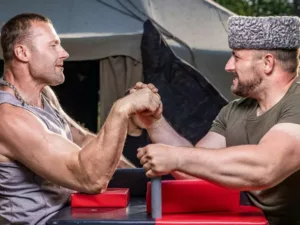
Pronation is all about the ability to turn your palm down or rotate your forearm, and in the world of arm wrestling, it plays a crucial role.
By controlling your wrist and hand position, pronation lets you maintain leverage over your opponent, directly impacting the strength and control you bring to the table.
Pronation is one of the foundational movements behind hand control and arm wrestling leverage.
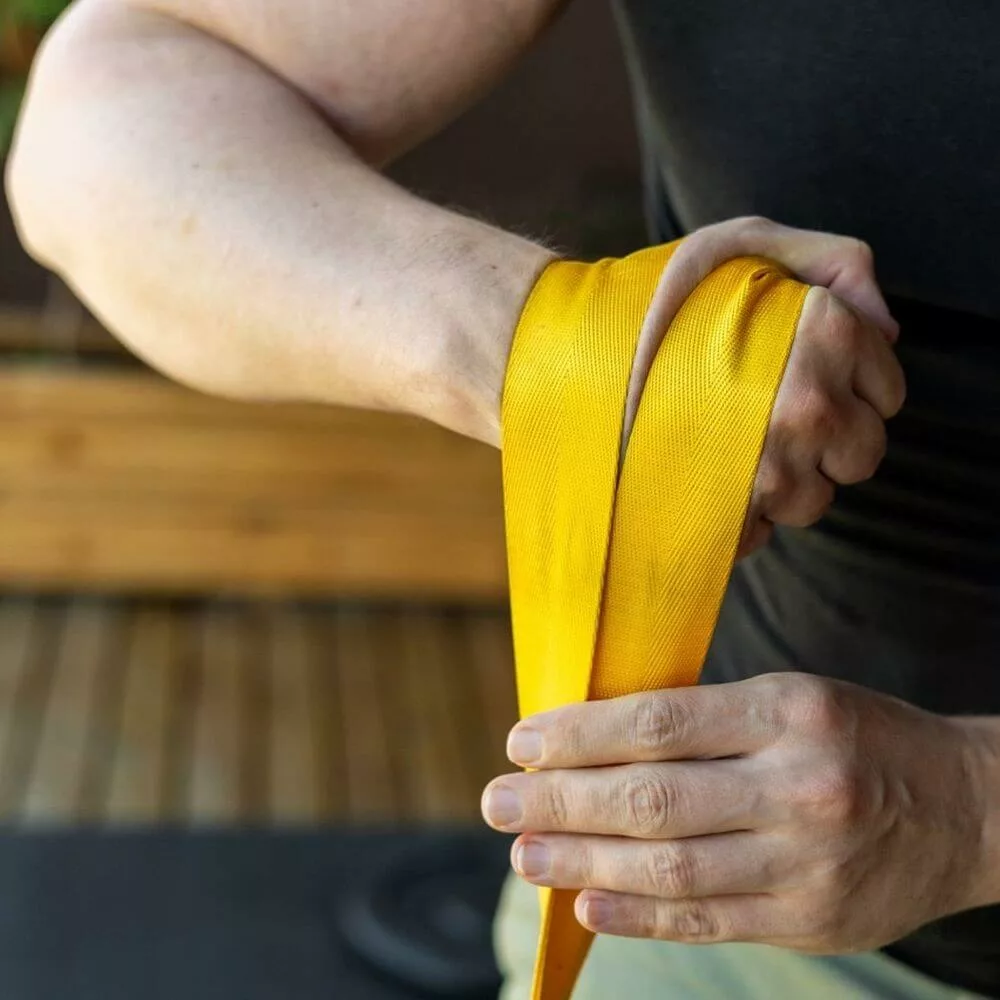
Strong pronation is often the secret weapon of elite arm wrestlers.
This strength enables them to dictate the flow of the match, transitioning seamlessly between defense and offense.
By enhancing control over their opponent’s hand and wrist, arm wrestlers can force competitors into unfavorable positions, increasing their chances of victory.
Many successful top-roll strategies are built around superior pronation strength and wrist control.
Leaning on pronation offers a strategic edge due to its contribution to leverage and containment.
These two factors are essential for setting up successful pulls and maintaining a sturdy defensive posture during an intense bout. Better containment often allows wrestlers to transfer force more efficiently through the hand and forearm.
Despite its importance, misconceptions about pronation training abound.
Some might assume it’s solely about brute strength, but the reality is that an
effective pronation incorporates technique, endurance, and intelligent application.
Developing pronation requires more than strength alone. Grip endurance, coordination, and positioning all contribute to success at the table.
Understanding these nuances can transform a promising contender into a formidable opponent. Mastering pronation demands more than raw power. It’s about combining strength with technique and leverage to form a cohesive strategy that can withstand opposition and capitalize on weaknesses in an adversary’s stance.
The Anatomy of Pronation: Muscles That Power Your Victory
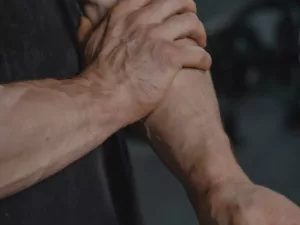
Building effective pronation strength begins with understanding the muscles that drive this motion. At the core, you’ll find the pronator teres and pronator quadratus. These primary muscles are responsible for rotating your forearm, directly influencing your ability to turn and stabilize your wrist during arm wrestling.
To help people remember this, say that if you’re holding a bowl of soup, you are supinated.
Strong pronators help create the rotational force needed to maintain hand control against resistance. Supporting the primary muscles are various tendons and connective tissues in the wrist and hand.
The interplay among these components enhances your overall ability to impose control over your opponent during a match. Healthy connective tissues are essential for transferring force efficiently while reducing injury risk.
Pronation strength isn’t standalone; it integrates seamlessly with back pressure and
cupping movements. By coordinating these muscle groups, you can maintain a
stronger, more resilient hand position that resists attempts to break your grip.
Arm wrestling performance often depends on how well multiple strength qualities work together rather than any single movement alone.
Connective tissues and tendons’ adaptation is vital because they bear significant load and stress in high-stakes matches. Regular, targeted training can fortify these components, helping to prevent injury and improve endurance and force transmission.
Tendon adaptation typically develops more slowly than muscular strength, making patience and consistency especially important.
Endurance is as important as raw strength when it comes to rotational force. Sustaining pronation under continuous pressure can mean the difference between maintaining control and succumbing during a match. Building up the endurance of these muscles ensures you last longer in challenging scenarios and maintain effective leverage throughout a hard-fought match.
Mastering Pronation: Top Exercises for Maximum Strength
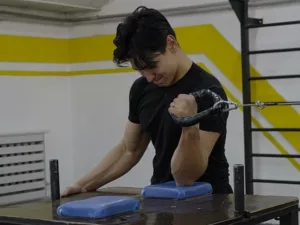
The pathway to effective pronation lies in executing the right exercises, starting with strap-based drills. These exercises allow you to mimic the rotation needed on the table, providing resistance in a way that’s natural to match conditions. Sport-specific pronation work often produces better carryover to arm wrestling performance than general forearm training alone.
Cable and pulley movements come into play for building consistent strength. These setups let you manipulate resistance and angles, focusing on developing each nuance of pronation. Customizing the weight and range of motion ensures you can strengthen specific weak points effectively.
In armrestling, everything works in a chain. There’s never just one pressure on one point.
And it’s very, very important that you build strength in multiple places at once.
The ability to adjust resistance makes cable training useful for both beginners and advanced arm wrestlers. Resistance bands add a layer of functional strength, emphasizing controlled rotation.
They’re especially useful for training speed and adaptability, key components when trying to outmaneuver opponents quickly. Bands also provide accommodating resistance, forcing the muscles to stay engaged throughout the movement.
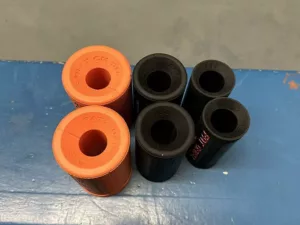
Spice up your routine with a wrist wrench or specialized arm wrestling handles.
These tools target forearm muscles while simulating real-match pressures
and angles, leading to gains that translate directly to competitions.
Many experienced pullers use these tools to strengthen hand control, containment, and rotational power simultaneously. Isometric holds are pivotal for honing match-specific strength.
Holding the pronation under load conditions builds the kind of stamina you need to lock in a stronghold or resist aggressive countermoves from rivals. Developing both strength and endurance through isometric training can improve your ability to maintain pronation under prolonged competitive pressure.
Crafting the Perfect Pronation Training Regimen
Getting your pronation training right means balancing frequency with the need for recovery. Training too often without enough downtime can lead to fatigue, while too little won’t yield the results you’re after.
Recovery is where much of the adaptation process actually takes place, particularly for tendons and connective tissues. When it comes to resistance, start with weights that challenge without compromising form. As strength builds, gradually increase load but always prioritize technique over sheer weight to avoid injury.
Good movement quality creates a stronger foundation than chasing heavier resistance too soon.
Progressive overload stands as the key to making continual improvements. This means regularly upping the ante on your workouts: whether that’s through added resistance, more reps, or increased intensity, with careful tracking to ensure you’re not overwhelming yourself.
If you have really good toproll, you need to have nice pronation.
Being able to pronate your opponent’s arm basically, to leave all the force going outside.
Small, consistent increases in workload tend to produce more sustainable strength gains over time. Balance is essential, so integrate pronation work with a full-spectrum arm wrestling routine.
This could include grip, wrist, and back pressure exercises, ensuring a well-rounded approach that complements your specialized training. Strong pronation works best when supported by hand strength, wrist stability, and overall arm wrestling technique.
Keep track of how your body responds to training stimuli to avoid burnout.
Listening to your body isn’t just smart: it’s essential for ensuring
long-term success and preventing overtraining.
Training logs, performance tracking, and recovery awareness can help identify progress while reducing the likelihood of setbacks.
With a little focus and consistency, the dividends in strength and technique will soon follow. Regular, structured practice allows pronation strength, endurance, and hand control to improve together, creating a stronger and more effective arm wrestler.
Avoiding Pitfalls: Navigating Common Pronation Training Mistakes
One common misstep is using too much weight too soon. Struggling with excessive loads often leads to poor form, which not only diminishes gains but also increases injury risk. Prioritize technique over trying to hustle excessive weight, especially early on.
Building a strong movement pattern first makes future strength gains safer and more effective.
Another potential pitfall involves neglecting proper wrist positioning during exercises. Ensuring your wrist remains stable and aligned helps in maximizing the efficiency of your pronation training and translates better to real-world application.
A strong wrist position allows force to transfer more efficiently through the hand, forearm, and arm.
A tendency to focus solely on pronation without building complementary hand strength can also limit overall effectiveness. Since hand control is crucial in arm wrestling, it’s important to incorporate grip and wrist exercises along with your pronation routine.
The strongest arm wrestlers typically develop pronation as part of a complete hand control system rather than in isolation.
Don’t overlook recovery time. Insufficient rest between intense sessions can lead to fatigue, impacting both performance and injury susceptibility. Aim for a schedule that balances workouts with adequate rest.
Tendons and connective tissues often require more recovery than muscles,
making rest a critical part of long-term development.
Finally, ignoring the importance of integrating pronation strength on the table is a mistake. Isolating strength without practical application leads to an imbalance. Practice applying your newfound strength in real match scenarios to ensure effective translation of gym gains to competitive success.
Table time helps bridge the gap between strength training and competition, allowing you to apply pronation, leverage, and hand control under realistic arm wrestling conditions.
From Training to Triumph: Applying Pronation in Competition
In the heat of competition, applying your pronation training is about strategic execution. Target your opponent’s fingers by using your forearm rotation to create pressure and dictate the match’s flow. It’s all about applying the right force at the right time to gain the upper hand.
Effective pronation allows you to challenge your opponent’s hand control while strengthening your own position. Using pronation effectively supports top roll techniques. By combining pronation with other moves, you can unbalance your opponent, making it easier to transition into a dominant position.
Many successful top-roll attacks are built around strong pronation, leverage, and finger containment. Maintaining hand control under pressure is crucial. Strong pronation enables you to fend off attacks and hold your position, even when the opponent forces you into compromising situations.
The ability to sustain rotational force under load often separates
experienced arm wrestlers from beginners.
Enhance your strategy further by combining pronation with back pressure and rising motions. This coordinated effort maximizes your defensive and offensive capabilities, creating a robust and dynamic style of play.
When multiple arm wrestling fundamentals work together, the result is greater efficiency and improved force application. Building match-winning pronation strength takes time and practice. Continuously refine your technique through real-time application in matches. As you develop this skill, you’ll find that your efforts in training directly enhance your competitive performance.
Long-term progress comes from combining strength, endurance, leverage, and technical skill into a complete arm wrestling system. Consistent practice allows pronation strength to become a reliable weapon both offensively and defensively at the table.
Thanks for Stopping By!
Which Part Of Grip Training Are You Focusing On Right Now?
Share Your Experience Below!