(Last Updated on May 30, 2026 by Henry)
When you’re arm wrestling and your hand “opens,” it means you’ve lost control of your grip or are struggling to keep the right tension with your fingers. Essentially, it’s when your opponent starts breaking down your grip integrity, leading to a weaker position.

Hand control is one of the most important parts of armwrestling strength and leverage.
Losing hand control and losing arm position might seem similar, but they’re quite different in arm wrestling.
Hand control focuses on how well you can maintain your grip and wrist position, while arm position refers to how you align and leverage your entire arm against your opponent’s.
Keeping these elements intact is crucial during a match. Strong wrist positioning and finger pressure often determine who controls the setup.
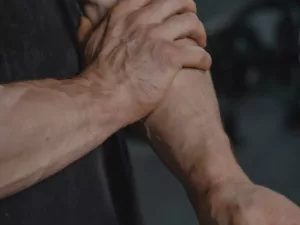
Your grip relies heavily on the coordination between your fingers, wrist, and forearm. These parts work together to lock in your hand’s position. If any of these components falter, your hand is more likely to start opening up.
Hence, a solid understanding and mastery of finger strength, wrist angles, and forearm tension can make a big difference.
Grip endurance and wrist stability are major factors in maintaining hand control under pressure.
Beginners tend to experience hand opening more often because they haven’t yet developed
the necessary strength & technique. Understanding the nuances of how your grip should feel
and adjust under pressure is part of your learning curve in arm wrestling.
Over time, with focused training and the right guidance, you can build resilience.
Experienced opponents often target your hand structure on purpose to force it open. They’ll employ techniques like top-rolling, where they aim to lift your hand, attacking the weakest point of your grip. Anticipating such moves can help you prepare better defenses.
Technical awareness is often just as important as raw hand strength in arm wrestling.
Main Reasons Behind Hand Opening
Weak finger containment and reduced grip endurance might be the most glaring reasons your hand opens during a match. Strengthening your fingers can be a game-changer, as they are the front line of your defense in arm wrestling.
Finger strength and grip endurance are critical for maintaining hand control against pressure. Endurance training helps maintain grip integrity throughout the bout, even as fatigue sets in. The wrist is another crucial element.
Many wrestlers underestimate the importance of wrist strength under pressure.
When the wrist can’t withstand the opposing force, it often leads to the
hand opening up because it struggles to keep its positioning.
Strong wrists help support better leverage, containment, and overall grip stability. Good cupping and pronation control are the hallmarks of a strong arm wrestler.
Cupping involves curling the wrist inward, while pronation refers to rotating it. If these elements are weak or inconsistent, opponents will seize the advantage and force your hand open.
f(x) = Cupping Strength + Pronation Control
Mastering both techniques requires consistent practice. Developing stronger wrist control often improves both offensive and defensive positioning in matches.
Grip breakdown often happens due to fatigue. When endurance runs low, the grip becomes weak, leading to the hand opening. This is why endurance exercises are just as crucial as those that develop strength.
Forearm endurance and sustained finger pressure both contribute to stronger long-term hand containment. Everyone makes technical mistakes, especially under pressure. Common errors like poor setup before the start of the match or misjudging the opponent’s strength expose your hand. Understanding these pitfalls can help you correct them and maintain a stronger grip throughout the match.
How Opponents Manipulate Your Hand Open
In arm wrestling, opponents frequently use top roll techniques to target your fingers, straining their ability to maintain grip. By applying upward force, they aim to pry your fingers away, gradually causing your hand to open.
Top rolling is designed to attack finger containment and compromise grip integrity.
Rising pressure and leveraging your opponent’s hand position are common tactics to exploit your grip’s weaknesses. Experienced wrestlers use these methods to gain an upper hand, implementing strategic maneuvers that challenge the foundation of your grip.
Proper hand positioning and wrist control can help reduce vulnerability to these attacks.
Stripping your wrist of its preferred position is another classic approach. When opponents juggle your wrist alignment, your grip weakens, making it easier to manipulate your hand open. Focusing on wrist stability is key to defending against this strategy.
Strong cupping and pronation control often help maintain a more secure hand structure under pressure.
Before side pressure becomes the focus, initial battles for hand control determine
the match’s course. During setup & initial engagement, experienced wrestlers work to
outmaneuver you, weakening your hand’s resistance before delivering lateral pressure.
Early hand control frequently determines leverage advantages later in the match. Leverage often plays a critical role, even more so than sheer strength.
Skilled opponents know how to position their arms to maximize mechanical advantage, emphasizing technique over raw power. Understanding how leverage affects your hand can aid in avoiding unnecessary openings. Efficient positioning can often conserve grip strength and improve overall control.
Training Methods for Better Hand Containment
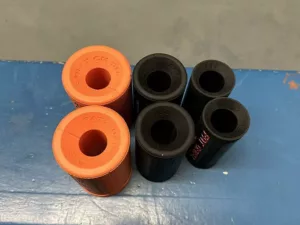
Building a stronger grip starts with targeted finger strengthening exercises. These exercises enhance finger containment, giving you more control during matches. Simple routines with hand grippers or rubber bands effectively increase finger dexterity and endurance.
Consistent grip training helps improve hand containment and resistance against opening pressure.
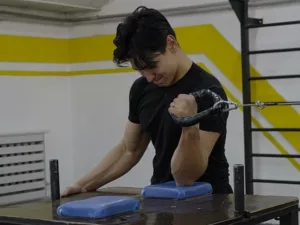
Wrist cupping and pronation are two pivotal areas to improve. Engaging in specific exercises that focus on curling your wrist inward or rotating it against resistance can significantly enhance your wrist’s stability against opponent pressures.
y = Grip Strength + Wrist Stability + Pronation Endurance
Improving wrist control often helps maintain stronger leverage and hand positioning during arm wrestling matches.
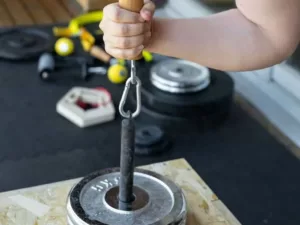
Static holds and strap-based containment drills are excellent for replicating match conditions. By maintaining holds or using straps to simulate real match encumbrances, you condition your grip to withstand high pressure over longer periods.
Specific containment drills can improve forearm endurance and sustained finger pressure under load.
Grip endurance work is a must for longer matches. Techniques like repetitive squeezing or sustained holding can condition your hands to maintain reliable grip integrity throughout a match, even when fatigue sets in.
Better endurance often allows wrestlers to preserve hand control deeper into difficult matches.
Progressive overload ensures continual improvement. Gradually intensifying your workouts and pairing them with adequate recovery periods allows for systematic strength gains and better tendon adaptation, both critical for enduring hand containment.
Technical Adjustments to Safeguard Your Hand
A proper gripping setup before starting a match is crucial. Having the right initial grip ensures you retain control from the beginning, reducing the chance of your hand opening as the match progresses.
Strong setup positioning often creates better leverage and more stable hand containment. Maintaining wrist integrity when under pressure is vital.
A strong wrist position can help absorb and redirect your opponent’s force, aiding in better
grip stability. Wrist stability plays a major role in preserving finger pressure
and overall arm wrestling control.
Using back pressure can support your hand control. By pulling back during the match, you can alleviate direct pressure on your hand, maintaining a firmer grip against your opponent.
Controlled back pressure can also help reduce excessive strain on the fingers and wrist. Smart hand positioning can give you an advantage against stronger opponents. By adjusting your grip angle or finger position, you can optimize leverage, making it harder for your opponent to open your hand.
Technical positioning frequently allows wrestlers to conserve strength while improving hand security.
Avoid common beginner positioning errors, like overcommitting or misaligning your grip,
which can expose your hand to unnecessary risk. Studying these mistakes
and learning from them is key to becoming a better arm wrestler.
Building a Robust Arm Wrestling Hand Over Time
Developing hand strength isn’t an overnight process; it requires time and dedication. Regular, focused training builds gradual improvements that reflect in your grip and overall arm wrestling performance.
Long-term grip strength development relies heavily on consistency and controlled progression.
Balancing strength training with table practice is key. While it’s essential to build physical power through exercises, translating that strength into practical skills at the table is what sets successful arm wrestlers apart.
Technique application is what turns raw hand strength into effective match control. Preventing overuse injuries is crucial when training your fingers and wrists.
It’s tempting to push your limits, but ensuring adequate rest and recovery prevents long-term damage and supports continual progress. Recovery quality directly affects tendon health, wrist resilience, and grip endurance over time.
Consistency and tendon adaptation are necessary for improving control and durability during matches. By steadily increasing your training load and allowing time for tendons to adapt, you develop a more robust and reliable grip.
Tendon adaptation is slower than muscle growth, making patience essential for sustainable strength gains. Long-term success in arm wrestling demands both control and containment strategies. Focusing your efforts on enhancing these areas over time ensures you maintain peak performance and have the competitive edge needed for victory.
Thanks for Stopping By!
Which Method Do You Prefer for Better Hand Containment?
Share Your Experience Below!