(Last Updated on November 6, 2026 by Henry)

  • Name: EliteSRS 6mm PVC Jump Rope
  • Category: Jump Rope
  • Purpose: Rhythm & rotational coordination
  • Rating: 4.6 / 5 Stars
  • Availability: Amazon

Check Price on Amazon

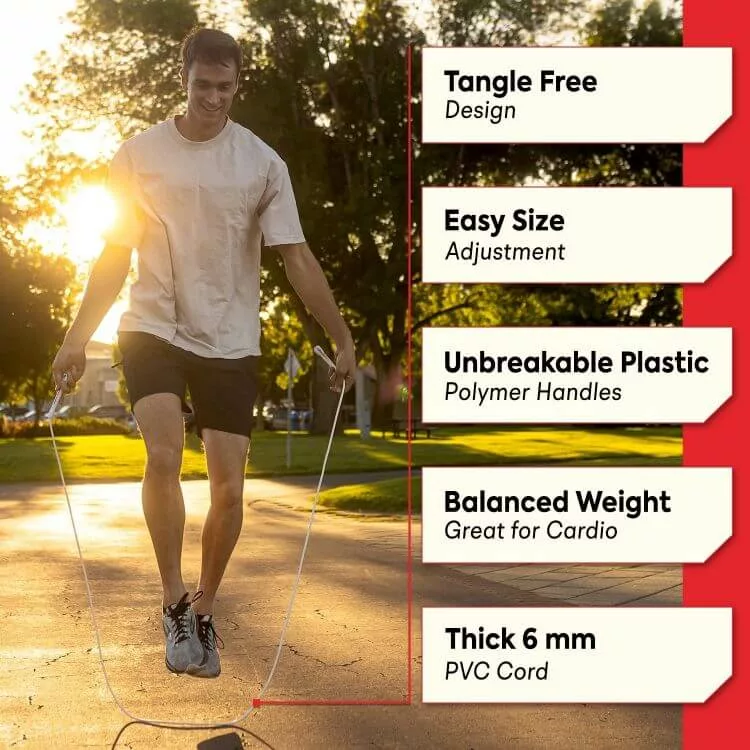
  • 6mm PVC Cord: A thicker cord provides noticeable feedback as it rotates.
  • Adjustable Length: The 10-foot rope can be shortened to suit the user’s height.
  • Snap-Lock Ends: The cord attachment system allows length adjustment, while the plastic handles provide a lightweight grip.
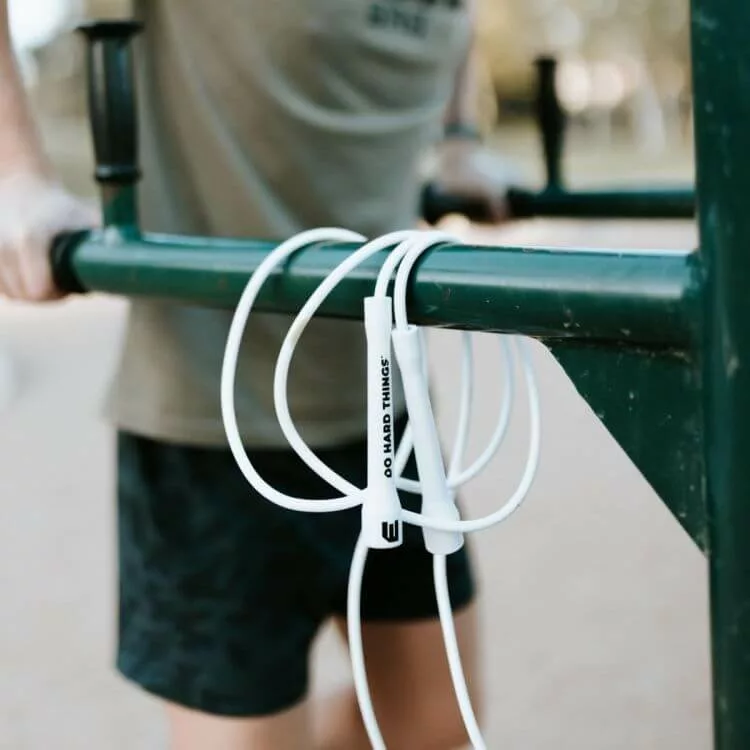
Got Strong Fingers But Wrists Flailing in the Wind?
Learn How to Build Strength Through Wrist Flexion & Extension

✋ Overview: What Problem Does EliteSRS 6mm PVC Jump Rope Solve?

Feel the rope. Find your rhythm.

I see the EliteSRS 6mm PVC Jump Rope as a practical choice for anyone who wants to build a consistent skipping routine without starting with an ultra-light speed rope or an overly heavy training rope. Its main appeal is the balance between cord weight and usability. The thicker PVC line gives each rotation a more noticeable feel, which can make it easier to understand the rope’s timing and develop a repeatable rhythm.

That distinction matters when you’re learning to skip. A cable speed rope can move quickly, but its minimal feedback may make it harder for a beginner to judge where the rope is in its rotation. At the other extreme, a heavily weighted rope can fatigue the arms before cardiovascular conditioning becomes the main challenge. The EliteSRS sits between those approaches.

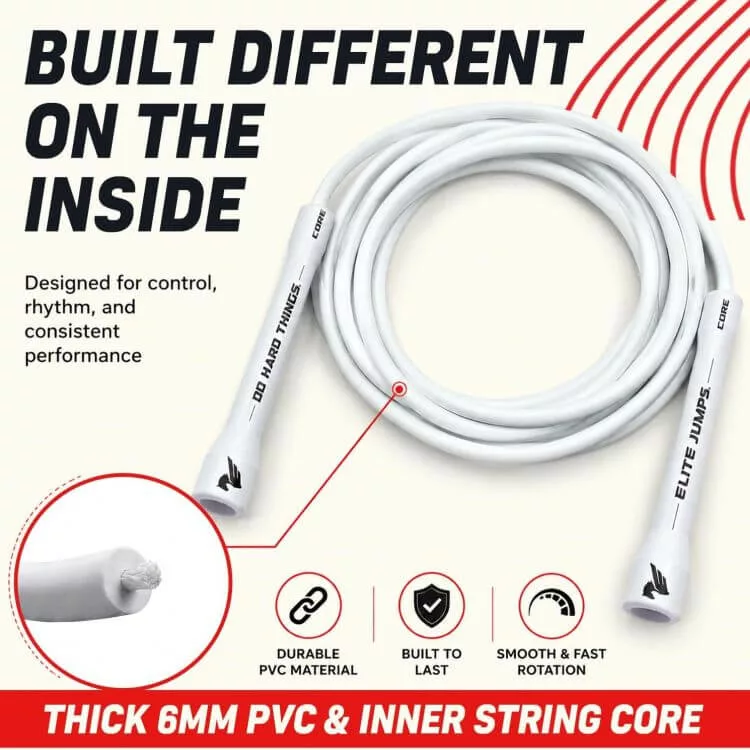
The listing describes a 6 mm PVC cord with an internal string cord, plastic handles, and a snap-lock adjustment system. It is marketed for cardio, boxing, and general fitness, making it relevant for warm-ups, conditioning sessions, and footwork practice. Customer feedback also points to easy adjustment, a useful sense of momentum, and encouraging durability, although some buyers report problems with the cord slipping at the handles.

I would treat this as a versatile conditioning tool rather than a specialist grip-strength product. The hands must guide the handles through repeated rotations, but the bigger benefits are likely to come from timing, coordination, cardiovascular work, and the ability to maintain a steady pace. For those goals, a rope with a clear, manageable feel can be a sensible starting point.

⚖️ Pros & Cons: EliteSRS 6mm PVC Jump Rope

Balance Useful Cord Feedback Against Handle-Connection Concerns

Pros:

  • Noticeable Cord Feedback: The thicker PVC cord makes each rotation easier to feel than an ultra-light cable.
  • Beginner-Friendly Feel: Its moderate weight can help newcomers work on rhythm without immediately relying on a very fast rope.
  • Adjustable Length: The snap-lock ends allow the rope to be fitted to the user rather than forcing everyone to work with the full length.
  • Versatile Conditioning Tool: It suits general cardio, boxing warm-ups, and fitness routines that include skipping.
  • Encouraging Durability Reports: Several buyers describe good service over repeated sessions, including users who have experienced breakage with cheaper ropes.
Cons:

  • Cord May Slip at the Handles: Some customer feedback raises concerns about the PVC line moving within the handle connection.
  • Length Adjustment May Require Trimming: Getting the final length right can involve cutting excess cord, so adjustments should be made carefully.
  • Limited Technical Specialization: The standard PVC design is versatile, but it is not a dedicated high-speed competition cable or a heavy resistance rope.

The biggest strength here is the balance between feedback and manageable resistance. That is particularly useful when a jumper is learning to keep the wrists relaxed and establish a repeatable cadence.

The main caveat is the cord attachment: an adjustable design is convenient, but its usefulness depends on the cord staying securely in place. The supplied customer reports are generally encouraging about quality and longevity, though they do not establish that every unit will perform identically.

Still Deciding?
See How It Stacks Up Against Similar Wrist Torque Trainers

Get it on Amazon See a Cheaper Alternative

EliteSRS 6mm PVC Jump Rope: Ranking 92 out of 100

🎯 Who Should Use EliteSRS 6mm PVC Jump Rope?

Beginners, Returning Jumpers, and Conditioning-Focused Athletes

The EliteSRS 6mm PVC Jump Rope makes the most sense for people who want a straightforward skipping tool with enough cord feedback to develop timing and consistency. Four groups stand out.

  • Beginners Learning to Skip: The more noticeable cord movement can help new users develop a sense of timing and build confidence with basic jumps.
  • Boxers and Martial Artists: Skipping can support warm-ups, footwork practice, and cardiovascular conditioning alongside sport-specific training.
  • General Fitness Enthusiasts: Anyone looking for a portable option for short conditioning intervals or longer cardio sessions can benefit from its simple setup.
  • Returning Jumpers: People restarting after a break may appreciate a rope that feels more substantial than a thin cable without committing to a heavily weighted design.

The rope is not limited to beginners. More experienced users can still use it for steady conditioning, warm-ups, and basic freestyle work. However, athletes focused on very high rotation speeds, competitive speed skipping, or advanced cable-rope technique may eventually prefer a more specialized design.

As with any skipping rope, fit and technique matter. The cord should be adjusted to the user’s height and preferred style, and beginners should start with manageable intervals rather than trying to sustain a long session immediately. Jumping on a suitable surface and wearing appropriate footwear can also make practice more comfortable.

🧩My Rating Summary

  • Build Quality: 4.2 / 5 — The PVC cord and plastic handles offer a practical, everyday design, although reports of cord slippage at the handles raise some concerns.
  • Ease of Use: 4.5 / 5 — The noticeable cord feedback and adjustable length make it approachable for beginners learning rhythm and timing.
  • Comfort: 4.0 / 5 — The five-inch handles and manageable cord weight support regular use, although individual preferences for grip and rope feel may vary.
  • Resistance Quality: 4.2 / 5 — The 6 mm PVC cord provides useful rotational feedback without the excessive arm fatigue associated with heavier ropes.
  • Progression Potential: 4.0 / 5 — It supports progression in skipping rhythm, coordination, and conditioning, but does not offer adjustable resistance for more specialized training.
  • Value for Money: 4.2 / 5 — Its adjustable design, versatile fitness applications, and generally positive durability feedback make it a practical option for regular skipping.

⚙️Technical Details

  • Brand: EliteSRS / Elite Jumps
  • Product Type: PVC fitness jump rope
  • Cord Material: Polyvinyl chloride (PVC) with an internal string cord
  • Handle Material: Plastic
  • Cord Diameter: 6 mm
  • Listed Rope Length: 10 feet
  • Handle Length: 5 inches
  • Adjustment: Snap-lock cord ends; excess cord can be trimmed
  • Target Audience: Adults
  • Recommended Uses: Boxing, exercise, and fitness
  • Available Color Options: Multiple options, including white and black; selection varies by listing variant
📈 Where EliteSRS 6mm PVC Jump Rope Fits In Grip Strength Progression

📈 Where EliteSRS 6mm PVC Jump Rope Fits In Grip Strength Progression

Position It as a Conditioning Accessory, Not a Grip-Strength Progression Tool

The EliteSRS 6mm PVC Jump Rope belongs near the beginning of a general conditioning progression, but it does not occupy the same progression ladder as grippers, pinch blocks, or wrist-loading tools. Its primary purpose is to develop skipping rhythm and cardiovascular fitness. The hands contribute by controlling the handles and repeatedly initiating the rope’s rotation, but that does not make the exercise a direct substitute for progressive grip resistance.

Beginner stage: The rope’s most useful role is helping a new jumper learn basic timing. The cord’s noticeable movement can provide feedback about its position, making it easier to connect wrist rotation with the jump. Start with short sets, relaxed hands, and a consistent cadence. The objective is to make the movement repeatable rather than to jump as fast as possible.

Intermediate stage: Once basic jumps become consistent, the rope can support longer intervals, varied rhythms, and conditioning circuits. Boxers and martial artists may use it as part of a warm-up, while general fitness users can alternate skipping with strength exercises.

Advanced stage: More experienced users can use it for conditioning volume and basic freestyle work. Those who specialize in fast rotations, competition skipping, or particular tricks may want a cable rope or another purpose-built option for that narrower goal.

The rope’s long-term value comes from its usefulness as a simple, repeatable conditioning tool. It is unlikely to become a meaningful progression driver for maximum crushing, pinching, or support grip strength on its own. Pair it with dedicated grip exercises if stronger hands and forearms are the goal, and choose a different rope only when your skipping technique or performance demands justify the change.

💪 Training Benefits & Strength Transfer Potential

💪 Training Benefits & Strength Transfer Potential

Separate Coordination & Endurance Benefits

Jump Rope is best understood as a tool for conditioning, rhythm, and movement coordination. Its thicker cord provides more sensory feedback than a very light cable, while remaining much less demanding than a purpose-built heavy rope. That combination can help make basic skipping feel more predictable as technique improves.

Wrist and hand coordination:

1

Repeatedly turning the handles encourages controlled, rhythmic movements of the hands and wrists. Efficient skipping generally depends on economical rotation rather than exaggerated arm swings. This makes the rope useful for practicing coordination, although it should not be confused with targeted wrist-strength training.

Forearm endurance:

2

Holding the handles and maintaining rotation recruits the muscles of the hands and forearms over repeated intervals. The amount of demand depends on technique, session length, and individual fitness. The rope’s cord weight may make the movement easier to feel, but it is not equivalent to progressive resistance exercise.

Cardiovascular conditioning:

3

Sustained skipping can raise the heart rate and provide a compact conditioning session. The pace and interval structure can be adjusted as fitness improves, from short practice rounds to longer continuous sets.

Sport-specific coordination:

4

Boxing and martial arts training often use skipping as a warm-up or conditioning component. The rope can help users practice cadence and maintain light, repeatable footwork, though it does not replace sport-specific coaching or drills.

The transfer to grip strength is indirect. Better coordination and tolerance for repeated movement may complement a broader training program, but this rope is not designed to progressively overload crushing strength, pinch strength, or heavy support grip.

For those outcomes, combine it with exercises that directly train the relevant grip pattern. The strongest reason to choose this model is its potential to make regular conditioning practice easier to establish and maintain.

Want to Understand Wrist Torque Better?
Explore the Wrist Movements Behind More Capable Wrists

🧠 Performance & Feel During Training

🧠 Performance & Feel During Training

Explain How Cord Thickness Affects Feedback, Rhythm, and Momentum

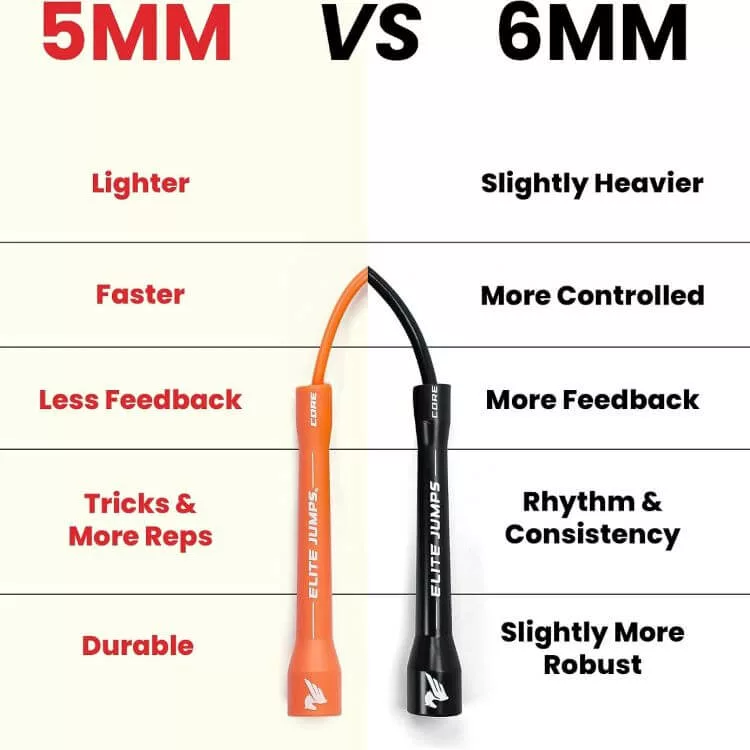
The defining characteristic of the Elite Jumps is its 6 mm PVC cord. Compared with a very light cable speed rope, a thicker PVC line generally gives the jumper more feedback as it travels around the body. That can make it easier to recognize the rhythm of each rotation and coordinate the jump with the cord’s approach.

The supplied buyer’s guide transcript specifically favors this EliteSRS model as a beginner option because it provides a little more weight and feel than an extremely light cable without becoming a dedicated weighted rope. That is a useful distinction. When learning, the goal is usually to develop a consistent rhythm and build cardiovascular capacity, not to make the arms work as hard as possible just to turn the rope.

The cord’s weight also means technique remains important. Excessive shoulder movement or gripping the handles too tightly can make sustained skipping unnecessarily tiring. A relaxed grip, small wrist-driven rotations, and short practice rounds are sensible starting points.

There is one important limitation: the available information does not establish precise rotational speed, bearing performance, or measurable resistance. This is a straightforward PVC rope, not a specialist speed system. Its appeal lies in the balance of feel and accessibility, rather than advanced mechanical features or a promise of faster performance.

🏗 Build Quality & Long-Term Durability

🏗 Build Quality & Long-Term Durability

Weigh Positive Durability Reports Against Cord-Retention Concerns

This jump rope uses a PVC cord with an internal string cord and plastic handles. The listing describes the rope as durable and non-kinking, with snap-lock ends intended to make length adjustment straightforward. Those features suit a training tool that may be used frequently, packed away between sessions, or carried to the gym.

The main quality concern is the cord-to-handle connection. PVC cord can slide at the handle, which is more consequential than a cosmetic issue because it may affect length consistency or interrupt a session.

The rope’s durability will also depend on how and where it is used. A PVC cord can be suitable for indoor use and some outdoor surfaces, but rough ground can accelerate wear. Checking the cord and attachment points periodically is sensible, especially if the rope is used frequently.

Overall, this jump rope gives a generally positive impression of everyday durability, with a clear caveat around cord retention. The connection is the part worth checking carefully after adjustment and during routine use.

🏠 Everyday Usability & Practicality

🏠 Everyday Usability & Practicality

Cover Simple Setup, Portability, and Careful Length Adjustment

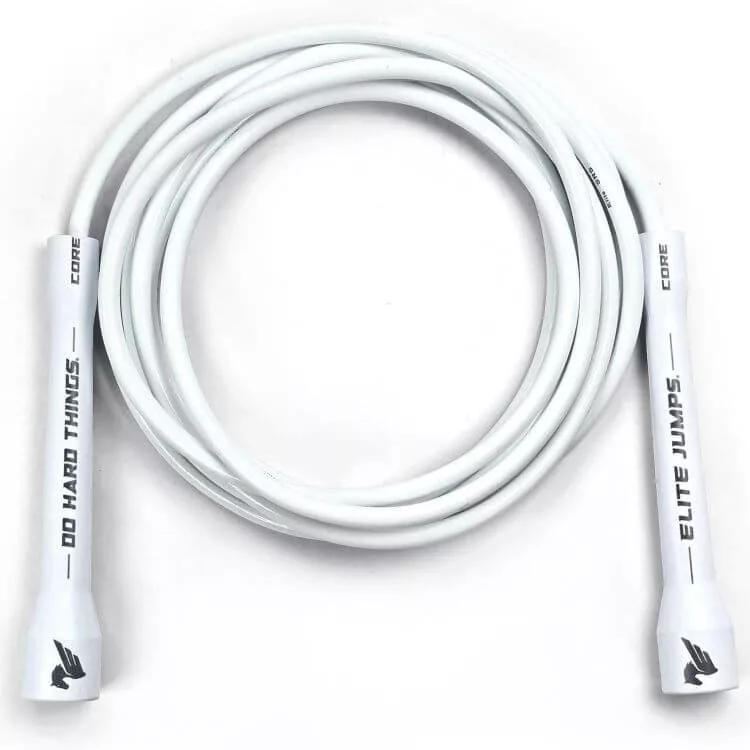
A jump rope is useful partly because it requires little setup, and the EliteSRS follows that straightforward approach. It has a length of 10 feet, five-inch handles, and snap-lock ends that allow the cord to be shortened. That makes it adaptable to different users rather than forcing everyone to use the rope at its original length.

Adjustment deserves a little care. Cut excess cord and secure it with the supplied clips. Before trimming, users should check the intended length and make small, deliberate adjustments; cutting too much off can leave the rope unsuitable for another user or a different technique. Once fitted, the rope is simple to bring into a warm-up, conditioning circuit, or home workout.

Its versatility is another practical advantage. It can be used for short skipping intervals before strength training, longer cardio sessions, or boxing and martial arts warm-ups. The cord’s noticeable feel may also make it more approachable for someone who has struggled to establish a rhythm with an ultra-light cable rope.

The main practical limitations are the space required to skip safely and the need for a suitable surface. A clear area, appropriate footwear, and enough overhead clearance help reduce avoidable interruptions. PVC can wear more quickly when repeatedly dragged across abrasive surfaces, so outdoor use should be considered in light of the ground conditions.

This is also a small, portable tool compared with many fitness machines, though the supplied listing does not specify a carrying case. For most users, the appeal is simplicity: adjust it, find a suitable space, and start with a manageable interval. If the cord stays secure and the length is fitted properly, it can be a convenient addition to a regular conditioning routine.

✅ Final Verdict: Is EliteSRS 6mm PVC Jump Rope Worth It?

Recommend It for Rhythm-Focused Conditioning, With Clear Grip-Training Limitation

Looking at the EliteSRS 6mm PVC Jump Rope’s design, I would put it on the shortlist for anyone who wants a versatile rope with a more noticeable feel than a very light cable. The thicker cord offers a sensible middle ground: enough feedback to help a jumper follow the rotation, without the substantial resistance of a purpose-built heavy rope.

That balance makes the model especially relevant to beginners, returning jumpers, and athletes who want a straightforward conditioning tool. It can support cardio sessions, boxing warm-ups, and regular rhythm practice without requiring a complicated setup. The adjustable length is useful too, provided you measure carefully before trimming the cord.

I would keep two caveats in mind. First, this is not a specialist competition speed rope, so users focused on maximum rotation speed may eventually want a cable-based design. Second, some customer feedback mentions the PVC cord slipping at the handles. That issue is worth checking rather than overlooking, even though many other buyers report positive experiences with quality and durability.

The distinction is straightforward: this is a conditioning accessory, not a direct solution for building maximum grip strength. It trains repeated handle control as part of a larger movement, while its main value lies in coordination and cardiovascular work. Pair it with dedicated grip exercises if stronger crushing, pinching, or support grip is your goal.

If you’re looking for one practical rope to help establish a consistent skipping routine, the EliteSRS has a convincing case based on its design and the supplied feedback.

Thanks for Checking It Out!

Have You Trained With EliteSRS 6mm PVC Jump Rope?
Share Your Experience in the Comments!

Wrist Pain? Learn How KT Supports Tendons in The Hand & Wrist
& Check Out the Grip Training FAQ for Quick Answers.

Need to Improve Your Grip? I'm Here to Help. As a fitness enthusiast, I explore grip strength, hand training, performance, injury prevention, & recovery to help you train smarter. Whether you're chasing a competitive edge, getting back from an injury, or simply looking for better ways to use & strengthen your hands, you'll find practical ideas & useful tools right here.

Leave a Reply

Your email address will not be published. Required fields are marked *