(Last Updated on November 15, 2026 by Henry)

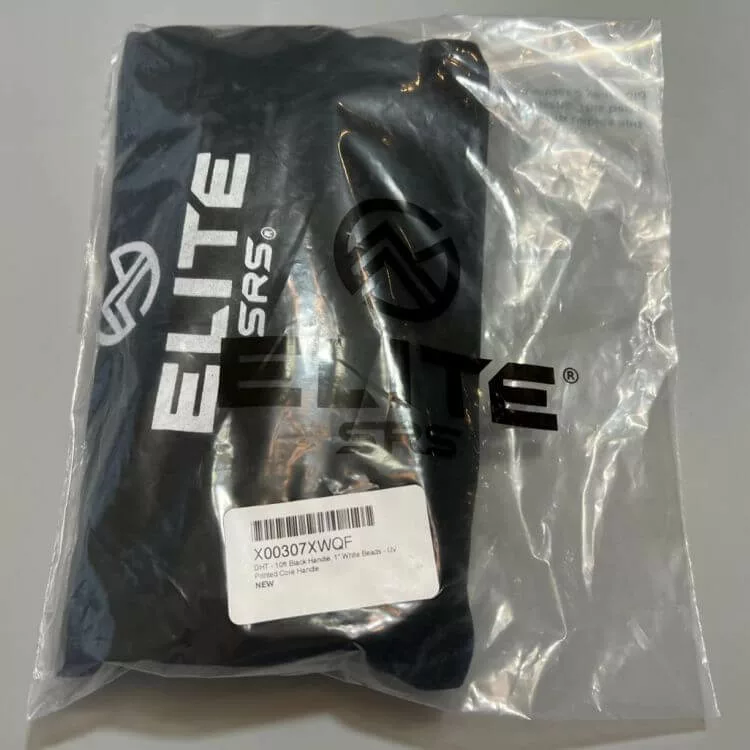
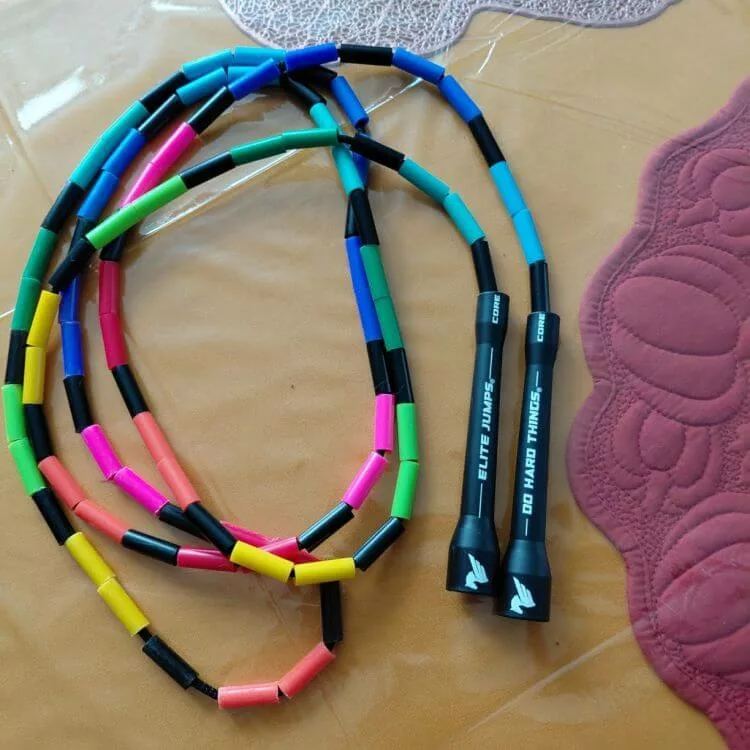
  • Name: Elite Jumps 1″ Beaded Rope, 10ft
  • Category: Jump Ropes
  • Purpose: Wrist Torque Training & conditioning
  • Rating: 4.6 / 5 Stars
  • Availability: Amazon (Prime Delivery)

Check Price on Amazon

  • One-Inch Beaded Construction: Provides audible feedback & better rope awareness.
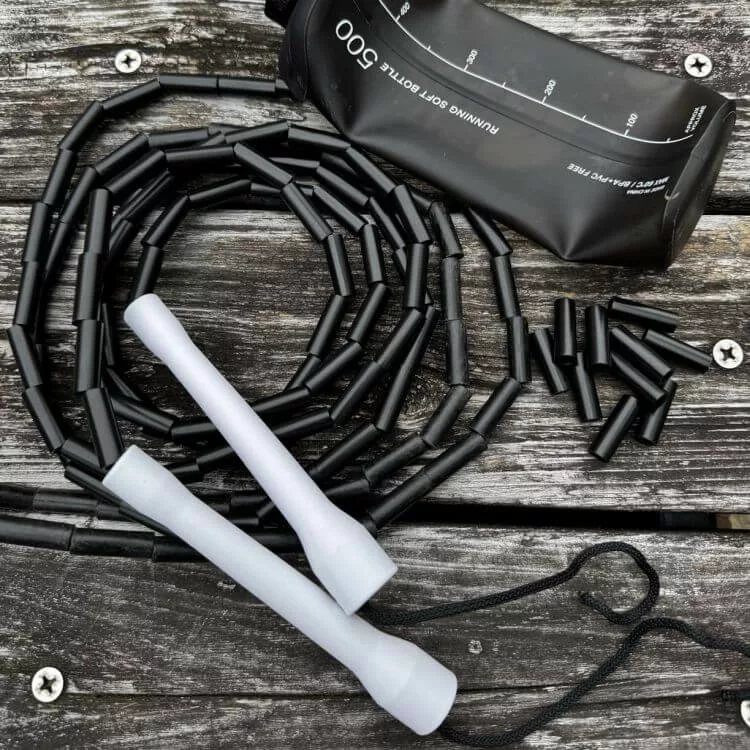
  • Adjustable 10-Foot Length: Remove beads and shorten the cord to fit different users.
  • Durable Handle Design: 5-inch plastic handles with thermoplastic elastomer grips.

Got Strong Fingers But Wrists Flailing in the Wind?
Learn How to Build Strength Through Wrist Flexion & Extension

✋ Overview: What Problem Does Elite Jumps 1″ Beaded Rope Solve?

Better Rope Feedback For Rhythm And Freestyle Control

Jumping rope looks simple until timing, coordination, and consistent rhythm become the real challenge. An ultra-light speed rope can move quickly, but it offers relatively little feedback when you’re still learning to control the rotation. That’s where a beaded rope has a practical advantage.

The Elite Jumps 1″ Beaded Rope uses individual plastic beads threaded along a cord. This construction gives the rope more substance and creates audible feedback as it rotates and makes contact with the ground. I find that particularly relevant for beginners who need a clearer sense of cadence, as well as experienced jumpers working on crosses, wraps, and freestyle combinations.

The one-inch bead design is also worth understanding. Slimmer one-inch beads are commonly used for freestyle manipulation, while longer or heavier bead configurations are more focused on increasing air resistance for conditioning. That makes this model more of a coordination and skill tool than a heavily loaded cardio rope.

Its adjustable length and straightforward construction make it accessible to different users. The main trade-off is that fitting the rope requires removing beads and securing the cord again, rather than making quick length changes during training.

⚖️ Pros & Cons: Elite Jumps 1″ Beaded Rope, 10ft, Adjustable

Practical Feedback With A Freestyle Focus

The Elite Jumps rope has a clear purpose: to provide enough feedback to help develop timing and control without the bulk of a heavily weighted rope. Its beaded construction, adjustable length, and relatively simple design make it a versatile option for learning basic jumps and progressing toward freestyle movements.

The main limitations are related to its adjustment system and intended use. This is not a specialist speed rope or a substantial resistance-training tool, and the length adjustment is less convenient than a quick-release system.

Pros:

  • Clearer Rhythm Feedback: The beads create audible feedback that can help users recognize timing and cadence.
  • Freestyle-Friendly Construction: The slimmer one-inch bead design suits crosses, wraps, and other rope manipulation skills.
  • Adjustable Length: Beads can be removed and the cord shortened to fit different users.
  • Lightweight Setup: The listed six-ounce weight keeps the rope manageable for repeated jumping and skill practice.
  • Versatile Training Use: Suitable for beginner practice, coordination work, cardio sessions, and freestyle development.
Cons:

  • Length Adjustment Takes Effort: Changing the size involves removing beads and securing the cord again.
  • Limited Resistance Progression: The standard one-inch beads are not designed to provide the heavier resistance of dedicated conditioning ropes.
  • No Dedicated Storage Case Listed: The supplied product information does not identify a proper storage pouch or case.

Still Deciding?
See How It Stacks Up Against Similar Wrist Torque Trainers

Get it on Amazon See a Cheaper Alternative

Elite Jumps 1″ Beaded Rope, 10ft, Adjustable: Ranking 92 out of 100

Better Rope Feedback to Master Rhythm & Freestyle

🎯 Who Should Use Elite Jumps 1″ Beaded Rope, 10ft, Adjustable?

From Beginner Rhythm To Freestyle Practice

This rope makes the most sense for people who want to develop better jump-rope control rather than simply chase maximum rotation speed. Its feedback-oriented construction gives it a useful place in both beginner practice and more advanced skill work.

  • Jump-Rope Beginners: The audible feedback can make it easier to recognize the rope’s rotation and develop a consistent jumping rhythm.
  • Freestyle Skill Learners: Crosses, wraps, and other manipulation techniques benefit from a rope with more feedback than an extremely light speed cable.
  • Boxing & Martial Arts Trainees: Jumping rope can support footwork, coordination, and general conditioning alongside sport-specific training.
  • Cardio & Fitness Enthusiasts: A straightforward option for incorporating repeated jumping intervals and coordination work into general fitness routines.

The rope is less compelling for athletes whose main priority is competitive speed work or substantial upper-body loading. Those goals call for a different rope design. For most users, this model is better viewed as a skill-building and conditioning accessory than a dedicated strength-training implement.

🧩My Rating Summary

  • Build Quality: 4.5 / 5 — A straightforward beaded design with plastic handles and durable-material claims, although long-term lifespan is not independently established.
  • Ease of Use: 4.2 / 5 — The basic setup is simple, and the adjustable design accommodates different users, but resizing requires some effort.
  • Comfort: 4.2 / 5 — Lightweight construction and TPE grip surfaces are practical features, although individual handle comfort will depend on hand size and preference.
  • Resistance Quality: 4.1 / 5 — The beads provide useful feedback and more substance than an ultra-light cable, but this is not a dedicated resistance-training rope.
  • Progression Potential: 4.3 / 5 — Strong potential for progressing from basic jumps into footwork and freestyle skills, with limited direct strength progression.
  • Value for Money: 4.3 / 5 — A focused, adjustable beaded rope with useful skill-development features and broad training applications.

⚙️Technical Details

  • Brand: EliteSRS
  • Manufacturer: EliteSRS
  • Material: Polyethylene (PE) beads, plastic handles, and thermoplastic elastomer (TPE) grips
  • Weight: 6 oz
  • Dimensions: 10 ft (120 inches) rope; 5-inch handles
  • Resistance System: Beaded rope; feedback and air resistance from the beads
  • Training Modes: Basic jumps, footwork, cardio intervals, and freestyle practice
  • Primary Training Focus: Jump-rope rhythm, coordination, cardio, and freestyle skills
  • Included Components: One beaded jump rope
  • Best For: Jump-rope beginners, freestyle learners, boxing and martial arts trainees, and cardio/fitness enthusiasts
📈 Where Elite Jumps 1

📈 Where Elite Jumps 1″ Beaded Rope, 10ft, Adjustable Fits In Grip Strength Progression

Coordination Progression Rather Than Grip Loading

I would place this rope on the peripheral side of a grip-training setup. Its main progression pathway is based on movement skill, timing, and coordination—not steadily increasing resistance to develop crushing, pinching, or supporting strength.

A beginner can start with basic two-foot jumps, concentrating on consistent rotation and landing rhythm. Once that becomes more reliable, the rope can support more demanding footwork patterns, alternating steps, and eventually freestyle skills such as crosses and wraps. The additional feedback from the beads gives the user something useful to work with as those movements become more complex.

There is also a secondary wrist and forearm component. Repeated rope rotation involves coordinated wrist movement and sustained handle control, while lighter jumping can serve as a general dynamic warm-up before more focused wrist or grip training.

However, the progression ceiling should be understood correctly. Removing beads to shorten the rope changes its fit, not its resistance. The one-inch bead design also does not provide the same loading as a heavier conditioning rope. For measurable wrist-strength progression, controlled pronation and supination, or dedicated grip development, more specialized equipment remains necessary.

I see the Elite Jumps rope as a useful addition for movement preparation and coordination, not a replacement for progressive resistance training.

💪 Training Benefits & Strength Transfer Potential

💪 Training Benefits & Strength Transfer Potential

Wrist Coordination, Forearm Endurance And Athletic Movement

The primary training benefit of a beaded jump rope is the combination of cardiovascular activity, rhythm, and coordinated movement. Repeated jumping challenges timing between the hands and feet, while the rope’s rotation requires consistent control of the handles.

The wrists and forearms contribute to this process through repeated rotational movement and sustained handle control. This can make rope practice a useful general conditioning activity, particularly when performed for longer intervals. However, the stimulus is different from isolated wrist training: the rope does not provide a controlled resistance range for progressively strengthening specific wrist movements.

There are also practical applications beyond general fitness. Boxing and martial arts trainees can use jumping rope to support footwork, coordination, and conditioning. Freestyle practice adds another layer by requiring the hands to manipulate the rope through crosses, wraps, and changes in movement pattern.

For grip training, the transfer is more limited. Holding the handles requires basic grip endurance, but the rope does not provide the sustained external load associated with loaded carries, heavy holds, or dedicated support-grip exercises. It also does not meaningfully train crushing or pinch strength.

I would therefore consider its contribution indirect but worthwhile: better coordination, general forearm activity, and a convenient way to warm up the wrists before more demanding work. Those qualities can complement a broader training system, even though they should not be confused with direct grip-strength development.

Want to Understand Wrist Torque Better?
Explore the Wrist Movements Behind More Capable Wrists

🧠 Performance & Feel During Training

🧠 Performance & Feel During Training

Audible Feedback For More Controlled Rope Movement

The defining feature of a beaded rope is the feedback created by its individual segments. Rather than relying on a nearly invisible, ultra-light cable, the beads make the rope’s rotation easier to follow. The sound produced as they move and contact the ground can help users recognize their cadence and identify inconsistencies in timing.

That extra feedback is particularly useful when learning basic jumps. A beginner has to coordinate the hands, wrists, and feet while maintaining a consistent rhythm. A rope that is easier to track can make that learning process more approachable than a very light speed cable, which offers little feedback and is designed to move quickly.

The one-inch bead configuration also gives this model a more specific purpose. As explained in the supplied beaded-rope demonstration, slimmer one-inch beads are commonly used for freestyle manipulation, while longer or heavier beads create more air resistance and are better suited to conditioning-focused work. This model therefore leans toward control and skill practice rather than maximum resistance.

The five-inch handles and TPE grip material provide a conventional handle setup. The rope’s listed six-ounce weight keeps the overall construction relatively light, while the beads provide the feedback that distinguishes it from a basic cable rope.

For wrist and forearm training, the interaction is repetitive and coordination-based. It encourages controlled rotation and handle management, but it should not be mistaken for a dedicated wrist-resistance exercise.

🏗 Build Quality & Long-Term Durability

🏗 Build Quality & Long-Term Durability

Simple Beaded Construction With Practical Materials

The construction is one of the more convincing aspects of this design. The rope uses polyethylene beads threaded along a cord, with plastic handles and thermoplastic elastomer grip surfaces. There are no complicated adjustment mechanisms, bearings, or electronic components to maintain.

EliteSRS describes the handles as virtually unbreakable and the beads as shatterproof. Those are manufacturer claims rather than independently verified durability guarantees, so I would treat them as design intentions rather than promises that the rope cannot be damaged.

Beaded ropes are generally well suited to outdoor use because the individual beads protect the cord from direct contact with the ground. The supplied demonstration also highlights their suitability for rougher surfaces and freestyle manipulation. That is a useful design advantage, although the exact lifespan of this particular model will still depend on the surfaces and frequency of use.

The main areas worth checking over time are the cord, bead condition, handle connection, and adjustment knot. Customer feedback includes positive comments about sturdiness and continued use, but isolated reports cannot establish a guaranteed service life.

Overall, the simple construction is a practical choice for a rope intended to be used regularly, including for skill practice where the rope may make frequent contact with the ground.

🏠 Everyday Usability & Practicality

🏠 Everyday Usability & Practicality

Lightweight Training With A Custom Fit

At six ounces and ten feet in its listed configuration, this is an easy piece of equipment to keep with other training accessories. It does not require installation, a dedicated training station, or additional resistance components. The main requirement is enough clear space to jump safely.

The adjustable design is useful because a rope that is too long or too short can interfere with consistent technique. EliteSRS states that the rope can be fitted for users up to 6’4″, with adjustment performed by removing beads and shortening the cord. That gives the user room to customize the fit, but it is not a quick adjustment system.

The practical trade-off is that changing the length involves undoing the cord, removing the necessary beads, and securing the end again. One customer also notes that trimming the cord requires attention to the cut end to prevent fraying. Once shortened, the rope cannot simply be restored to its original length without replacing or extending the cord.

The rope is suitable for home workouts, outdoor sessions, boxing conditioning, and freestyle practice. Its lightweight construction also makes it easy to transport. However, the supplied product information does not list a dedicated storage pouch, so users may want to keep it in a separate equipment bag to prevent tangling with other items.

✅ Final Verdict: Is Elite Jumps 1″ Beaded Rope, 10ft, Adjustable Worth It?

A Practical Choice For Rhythm And Freestyle Development

I see the Elite Jumps 1″ Beaded Rope as a useful option for anyone who wants to develop better jump-rope rhythm, coordination, and freestyle control. Its main advantage is the feedback created by the beaded construction. That makes it particularly relevant for beginners learning consistent timing and for more experienced users practicing crosses, wraps, and other rope-manipulation skills.

The adjustable length is another practical advantage, although the process is not especially convenient if you expect to change the fit frequently. The lightweight setup and straightforward construction also make it suitable for regular cardio and coordination sessions.

Its limitations are mostly about choosing the right tool for the job. This is not a high-speed cable rope, a heavily weighted conditioning rope, or a dedicated wrist-strength trainer. Its contribution to grip development is secondary, coming mainly from holding the handles and coordinating repeated wrist movement. For that reason, I would place it alongside wrist and forearm training as a conditioning or warm-up accessory rather than as a core strength tool.

For beginners, freestyle learners, and athletes who want a more feedback-oriented rope, the design makes good sense. If your priority is maximum speed or substantial resistance, another rope style would be a better match.

Thanks for Checking It Out!

Have You Trained With Beaded Rope Before?
Share Your Experience in the Comments!

Wrist Pain? Learn How KT Supports Tendons in The Hand & Wrist
& Check Out the Grip Training FAQ for Quick Answers.

Need to Improve Your Grip? I'm Here to Help. As a fitness enthusiast, I explore grip strength, hand training, performance, injury prevention, & recovery to help you train smarter. Whether you're chasing a competitive edge, getting back from an injury, or simply looking for better ways to use & strengthen your hands, you'll find practical ideas & useful tools right here.

Leave a Reply

Your email address will not be published. Required fields are marked *