Understanding the Impact: Long-Term Gaming and Hand Health
Gaming has evolved far beyond an occasional hobby. For many people, it’s a daily activity that can involve hours of continuous mouse movement, keyboard input, or controller use.
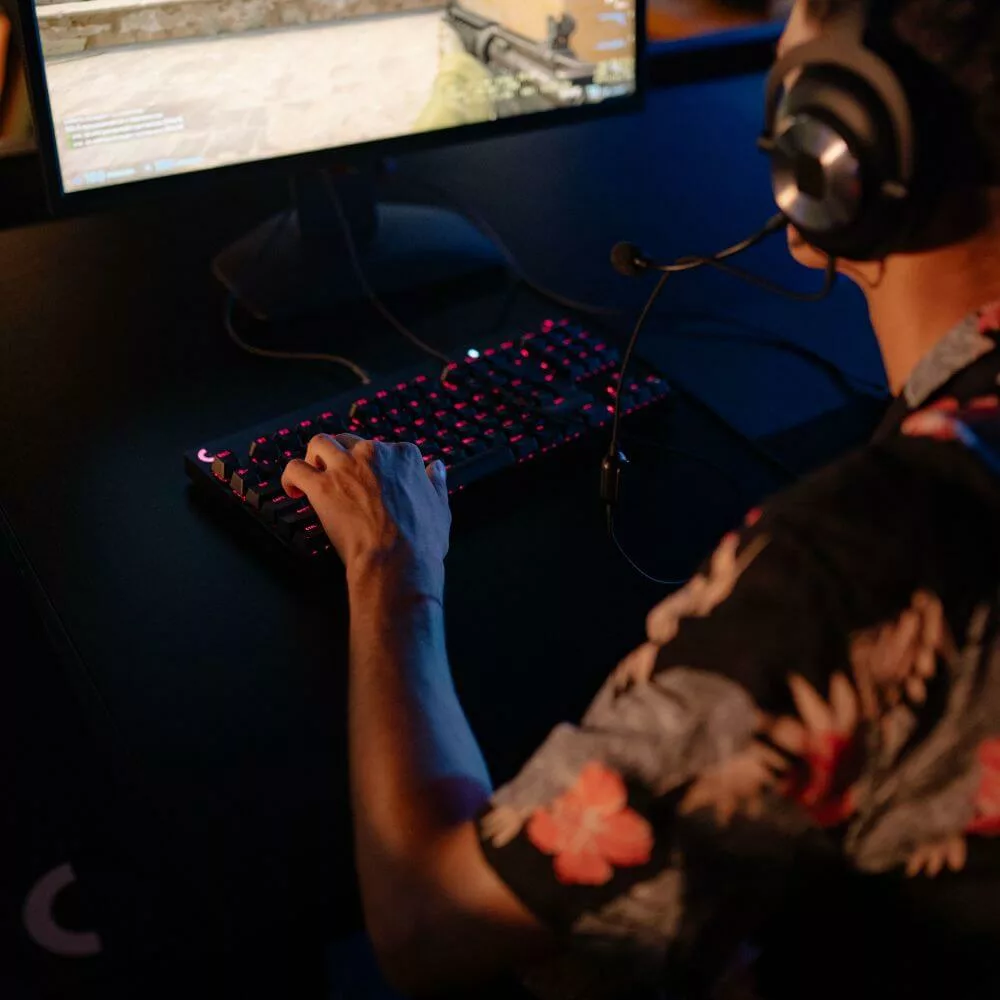
While modern games challenge your reflexes, precision, and coordination, they also place repetitive demands on the small muscles, tendons, and joints of your hands.
Over months and years, these repeated movements can gradually influence how your hands feel and perform, making long-term hand health an important part of maintaining consistent gaming performance.
Every click, key press, and controller input requires a coordinated effort between your muscles, tendons, ligaments, and joints. Although each movement is relatively small, thousands of repetitions during extended gaming sessions create a cumulative workload. Fast-paced genres such as first-person shooters, MOBAs, MMOs, and real-time strategy games often demand constant precision, while longer sessions provide fewer opportunities for the hands to fully recover between periods of intense activity.
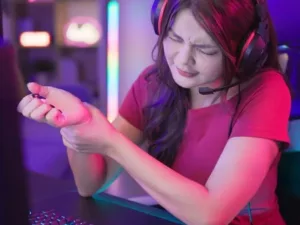
It’s common for experienced gamers to notice occasional stiffness, temporary hand fatigue, or reduced flexibility after particularly long sessions. In many cases, these sensations are a normal response to prolonged use and improve with adequate rest and recovery. However, discomfort that becomes more frequent, lasts longer than expected, or begins interfering with gameplay may indicate that your hands are being asked to tolerate more repetitive stress than they can comfortably manage. Learning to recognize the difference between temporary fatigue and persistent overuse is an important part of protecting long-term hand function.
Most gaming-related hand issues don’t appear suddenly, they build slowly through repetition, not intensity
The encouraging news is that many gaming-related hand problems are influenced by habits you can control. Paying attention to ergonomics, maintaining hand mobility, building strength, and allowing sufficient recovery all help your hands adapt to repetitive gaming demands. Rather than waiting for discomfort to become a regular part of your sessions, adopting healthy habits early allows you to continue enjoying gaming with greater comfort, precision, and confidence for years to come.
Ergonomics Matter: Optimizing Your Gaming Environment
Your gaming setup has a greater impact on hand health than many players realize. Even the best mobility routine or strengthening program can’t fully compensate for poor ergonomics if your hands spend hours each day working in uncomfortable positions. Creating a comfortable, well-balanced gaming environment reduces unnecessary stress on your fingers, wrists, and forearms while allowing your muscles to work more efficiently during long gaming sessions.
Keyboard and mouse placement are among the first areas to evaluate. Your keyboard should sit close enough that your shoulders remain relaxed and your elbows stay comfortably by your sides. Likewise, your mouse should be positioned within easy reach, allowing your arm to move naturally instead of forcing your wrist into awkward angles. Small adjustments to the placement of your gaming peripherals can significantly reduce repetitive strain over time.
Maintaining a neutral wrist position is equally important. Ideally, your wrists should remain as straight as possible while gaming rather than being constantly bent upward, downward, or to either side. A neutral position allows tendons to glide more freely and helps minimize unnecessary pressure on the surrounding tissues. While occasional movement in different directions is perfectly normal, spending hours in an extreme wrist position can gradually increase fatigue and discomfort.
Your desk, chair, and monitor also contribute to overall hand health. Sitting with proper posture allows your shoulders, arms, and wrists to work together as one connected system instead of forcing smaller joints to compensate for poor positioning elsewhere. Adjusting your chair height, monitor position, and arm support encourages a more relaxed posture, reducing muscle tension that often travels down into the forearms and hands during extended gaming sessions.
One habit that’s frequently overlooked is unnecessary grip tension. Many gamers instinctively squeeze their mouse or controller harder during competitive moments without realizing it. Over time, this constant excess tension places additional stress on the muscles responsible for gripping and finger movement. Learning to maintain a relaxed but controlled grip helps conserve energy, delays hand fatigue, and promotes smoother, more precise movements throughout every gaming session.
Stay Flexible: Maintaining Mobility and Flexibility in Your Hands
Maintaining mobility is one of the simplest yet most effective ways to support long-term hand health as a gamer. Hours of gripping a mouse, pressing keys, or holding a controller can gradually reduce flexibility if your hands rarely move outside those repetitive patterns. Incorporating a few minutes of mobility work into your daily routine helps keep your fingers, wrists, and thumbs moving comfortably while preparing them for the demands of extended gaming sessions.
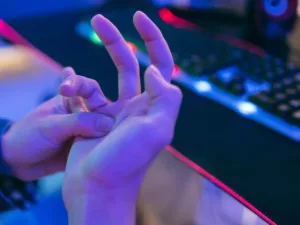
Daily mobility exercises for the fingers and wrists encourage healthy movement and help reduce the stiffness that often develops after long periods of uninterrupted play. Simple movements such as finger spreads, wrist circles, and gentle fist-to-open-hand repetitions promote circulation while allowing the joints and surrounding soft tissues to move through their natural range of motion. These exercises require very little time but can make a noticeable difference when practiced consistently.
Stretching routines provide another valuable layer of protection for gaming hands. Gentle stretches for the forearm flexors, extensors, wrists, fingers, and thumbs help relieve built-up tension from repetitive clicking and key presses. Performing a few stretches before gaming can prepare your hands for activity, while stretching afterward may help reduce post-session tightness and improve overall comfort.
Thumb mobility and finger coordination deserve special attention, particularly for controller players and gamers who rely on rapid, precise inputs. Simple thumb circles, opposition drills, and individual finger movements help maintain dexterity while encouraging smooth coordination between the small muscles of the hand. These exercises support the fine motor control needed for accurate aiming, fast reactions, and consistent in-game performance.
Movement breaks are equally important. Even the healthiest gaming posture cannot eliminate the effects of remaining in one position for hours at a time. Taking a short break every hour to stand up, shake out your hands, perform a few mobility exercises, or simply move your wrists through their full range of motion allows the muscles and tendons to recover before stiffness has a chance to build. Over time, these small habits help preserve flexibility, improve comfort, and keep your hands feeling responsive throughout even the longest gaming sessions.
Building Resilience: Strength and Endurance for Gaming Hands
Healthy gaming hands need more than flexibility: they also need the strength and endurance to cope with thousands of repetitive movements every day. While gaming rarely requires maximum grip strength, it places a continuous workload on the muscles that control your fingers, wrists, and forearms. Developing these muscles helps your hands tolerate longer gaming sessions with less fatigue while supporting smoother, more controlled movements during gameplay.
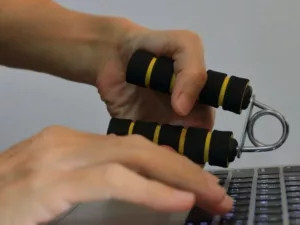
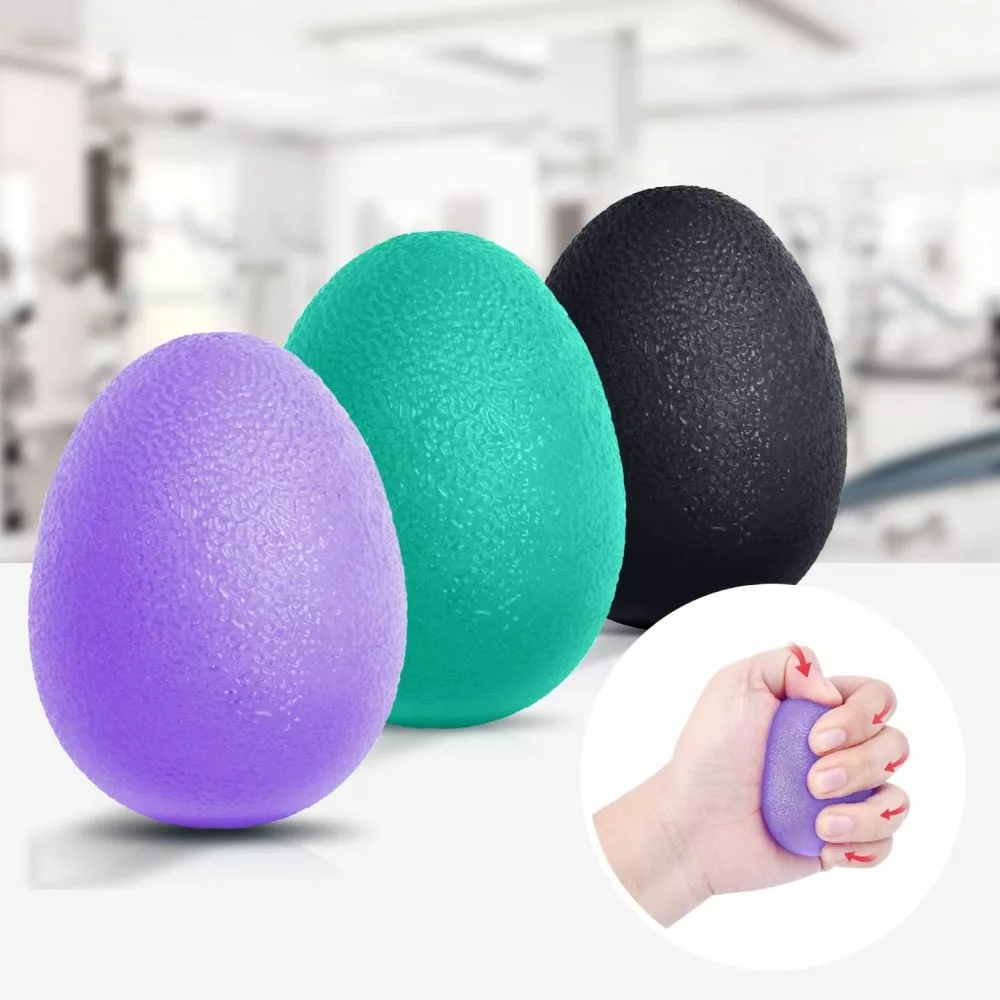
Exercises that strengthen the hands and forearms can improve their ability to handle repetitive tasks without becoming overworked. Light hand gripper training, stress ball squeezes, and controlled grip holds develop the muscles responsible for maintaining a steady grip on a mouse or controller. The goal isn’t to build crushing grip strength but to improve muscular endurance so your hands remain comfortable and responsive throughout extended sessions.
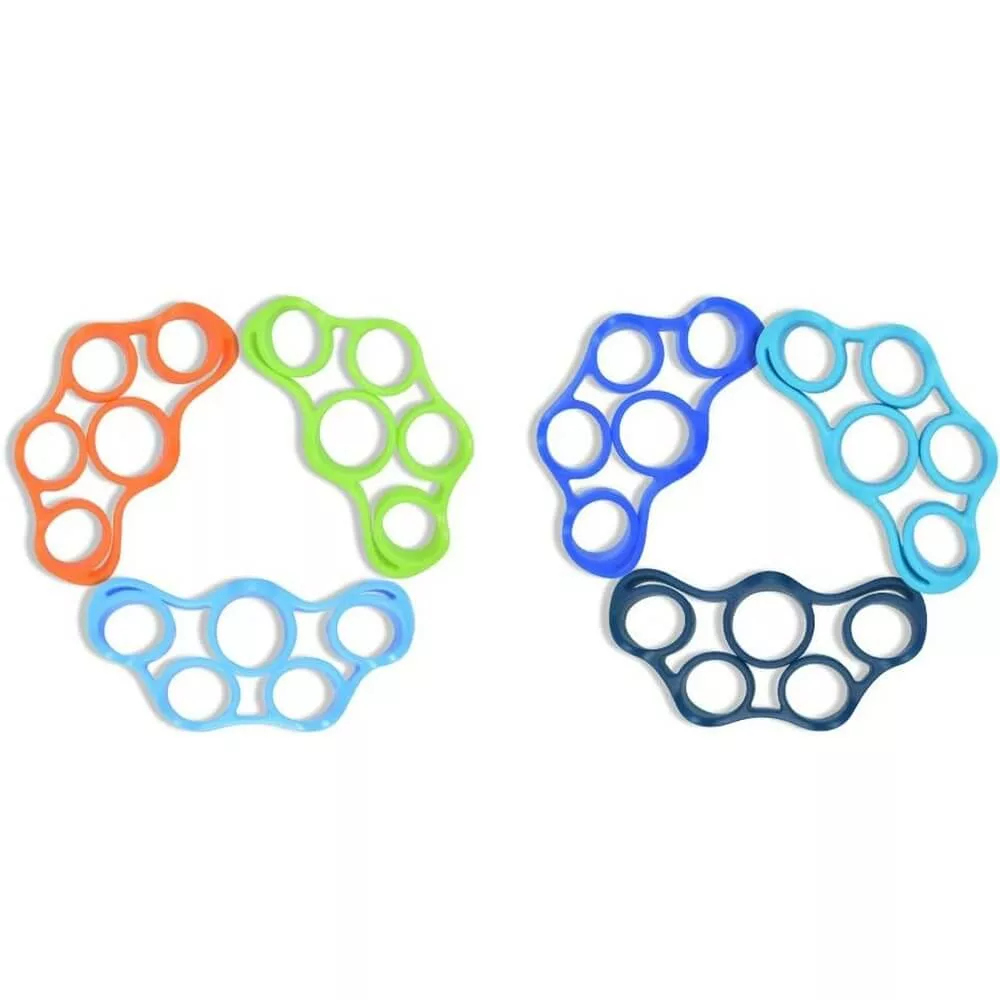
Equally important is strengthening the muscles that open the fingers. Gaming naturally emphasizes gripping, clicking, and pressing, meaning the muscles responsible for extending the fingers often receive far less attention. Exercises using rubber finger extension bands or simple finger-spreading drills help restore balance between the muscles that close and open the hand. This balanced approach supports healthier movement patterns and may reduce the repetitive stress that develops when only one group of muscles is constantly working.
Forearm endurance also plays a significant role in long-term gaming comfort. The forearm muscles stabilize your wrists and control many of the fine finger movements used during gameplay. Gradually improving their endurance through light resistance exercises, sustained holds, and controlled repetitions helps delay fatigue without placing excessive strain on the joints. As these muscles become more resilient, they can better support the repetitive demands of gaming while maintaining precision and control.
Endurance isn’t about how strong your hands feel at their peak; It’s about how long they can stay consistent without breaking down.
Like any training program, hand conditioning works best when paired with adequate recovery. Muscles and connective tissues need time to adapt between strengthening sessions, making rest just as important as exercise itself. By combining mobility work, balanced strengthening, and sensible recovery, gamers can gradually build hands that tolerate higher workloads with greater comfort, helping maintain performance and reduce fatigue throughout years of regular gaming.
The Recovery Process: Habits for Sustaining Hand Health
Recovery is where your hands adapt to the demands of gaming. Even the most effective exercises and ergonomic setups can’t fully offset hours of repetitive mouse clicks, keyboard inputs, or controller movements if your hands never have the opportunity to recover. Building simple recovery habits into your routine allows muscles, tendons, and joints to manage daily workloads more effectively while reducing the likelihood of long-term overuse.
Healthy recovery habits for long-term gamers include:
Taking short movement breaks every hour – Stepping away from your setup for just a few minutes helps restore circulation, reduce muscle tension, and prevent stiffness from building during extended gaming sessions.
Varying gaming intensity throughout the week – Mixing longer sessions with lighter gaming days gives your hands, wrists, and forearms time to recover instead of facing the same repetitive workload every day.
Supporting recovery through sleep and hydration – Quality sleep and proper hydration allow muscles, tendons, and connective tissues to recover more effectively, helping your hands stay comfortable and responsive.
Paying attention to early warning signs – Persistent stiffness, unusual fatigue, tingling, or lingering discomfort are signals that your hands may need additional recovery before returning to prolonged gaming.
Reducing activity when symptoms persist – Temporarily lowering your gaming volume is often more beneficial than pushing through discomfort, allowing irritated tissues the opportunity to recover before small problems become larger ones.
One of the most valuable habits is taking regular breaks during gaming sessions. It’s easy to lose track of time during an intense match or while progressing through a favorite game, but even a brief pause every hour gives your hands and forearms an opportunity to relax. Standing up, moving around, and performing a few gentle stretches or mobility exercises can help restore circulation and reduce the tension that naturally builds during prolonged play.
Managing your overall gaming workload is equally important. Marathon sessions, especially when repeated day after day without adequate recovery, place cumulative stress on the small structures of the hand and wrist. Mixing longer sessions with lighter gaming days or scheduling regular recovery periods allows your tissues to adapt gradually instead of constantly trying to catch up with increasing demands.
Recovery also extends beyond gaming itself. Quality sleep gives your body time to repair and restore tissues, while proper hydration supports joint function and overall tissue health. A balanced diet that provides sufficient protein, vitamins, and minerals further contributes to recovery, helping maintain the muscles and connective tissues that keep your hands functioning efficiently over the long term.
Learning to recognize early warning signs can prevent small problems from becoming larger ones. Persistent stiffness, unusual fatigue, tingling, discomfort that lingers after gaming, or a noticeable decline in hand performance shouldn’t be ignored. When these signs appear, temporarily reducing gaming volume, increasing recovery time, and addressing contributing factors early is often far more effective than trying to push through discomfort. Consistent recovery habits help ensure your hands remain comfortable, capable, and ready for the next gaming session.
Future-Proofing Your Hands: Sustainable Practices for Gamers
Maintaining healthy hands over the course of many years isn’t about finding a single solution: it’s about building habits that support long-term gaming. The small choices you make each day, from your gaming posture to your recovery routine, have a cumulative effect on how well your hands perform over time. A sustainable approach allows you to continue enjoying gaming while reducing unnecessary wear on your muscles, tendons, and joints.
Developing consistent gaming habits is one of the most effective ways to protect your hands. Regular movement breaks, sensible session lengths, good ergonomics, and routine mobility work all contribute to a healthier workload. Rather than waiting until discomfort appears, these habits help prevent excessive strain before it has an opportunity to develop into a recurring problem.
It’s also worthwhile to monitor how your hands feel over time. Pay attention to changes in grip endurance, finger coordination, wrist mobility, and overall comfort during gameplay. Small changes often appear gradually, making them easy to overlook. Recognizing these patterns early allows you to adjust your setup, training routine, or recovery habits before minor issues begin affecting your gaming performance.
Many gamers unintentionally accelerate hand strain by ignoring fatigue, gripping their mouse or controller too tightly, skipping recovery, or playing through persistent discomfort. While occasional tiredness after a long session is perfectly normal, repeatedly pushing beyond your body’s signals increases the likelihood of developing overuse-related problems. Listening to those signals is an important part of maintaining long-term hand health.
Finally, remember that persistent symptoms deserve proper attention. If pain, numbness, tingling, weakness, or reduced hand function continue despite improving your gaming habits, it’s wise to seek evaluation from a qualified healthcare professional. Early assessment can help identify underlying issues before they become more difficult to manage. By combining smart ergonomics, regular mobility, balanced strengthening, and consistent recovery, you can build healthier, more resilient hands that continue supporting your gaming for many years to come.