(Last Updated on June 16, 2026 by Henry)
Grip endurance refers to the ability of your hands to maintain a certain level of force over time. It’s not just about gripping hard once, but about doing so consistently and reliably throughout an activity. This endurance is vital whether you’re holding onto a climbing wall, carrying heavy objects, or gripping a tennis racquet during an intense match.

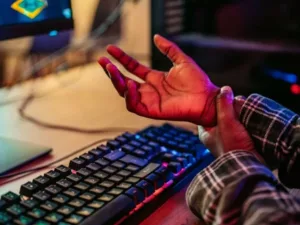
Hand fatigue is the tiredness or loss of strength you might feel after repetitive use or prolonged holding of an object.
It occurs when your hand muscles can no longer sustain the effort.
You might notice this when typing for long periods, gaming, performing repetitive work tasks, or even during lengthy household chores.
Despite often being mixed up, grip endurance and hand fatigue are quite different concepts.
People sometimes use them interchangeably, but understanding their uniqueness can help in addressing issues related to hand performance, forearm endurance, and long-term hand health.
Both grip endurance and hand fatigue have significant implications for daily activities and athletic pursuits. Strong grip endurance can enhance performance in sports and occupations that require sustained use of the hands and fingers, while managing hand fatigue is crucial for preventing discomfort, reduced productivity, and long-term overuse issues.
Grip endurance is your ability to keep performing.
Hand fatigue is what happens when that ability starts to run out.
The link between hand performance and muscular stamina is critical. Endurance in your hand muscles ensures you can continue an activity for an extended period without tiring, whereas good stamina means those muscles recover quickly and can perform repeatedly without long-lasting fatigue.
This balance is crucial for maintaining both performance and hand health while reducing the impact of grip fatigue over time.
How Grip Endurance Works
Grip endurance is about sustaining the power of your grip over a prolonged period. It isn’t just raw strength but the ability to apply that strength repeatedly without giving in. Whether you’re tackling a long climb, carrying heavy objects, or engaging in strength training, grip endurance determines how well you perform.
Key to this endurance is the muscular and cardiovascular systems working together. Muscles in your forearm and hand need to get a steady supply of oxygenated blood to keep working without tiring quickly. It’s a dance between muscle efficiency and how well your heart and lungs support that muscle activity during sustained grip tasks.
Grip endurance is quite distinct from simply having maximum grip strength.
You might have the power to crush an apple with your hand, but endurance
means keeping a controlled grip for the entirety of a prolonged task.
Think about holding onto a bar during a pull-up session, carrying tools throughout a workday, or completing a long session of rowing. It’s the sustained ability that’s essential.
Various activities, from rock climbing to rowing to even extensive gaming sessions, demand high grip endurance. Each requires not just momentary strength but prolonged, consistent grip application. This is why grip endurance training is valuable not only for athletes but also for people whose hobbies or occupations place repeated demands on the hands and forearms.
A strong grip can generate force once.
An enduring grip can generate force again and again.
What makes grip endurance particularly vital is how it aids in maintaining performance levels over time. Rather than peaking early and fading fast, good endurance enables you to perform at a steady pace, reducing tiredness and improving efficiency. This sustained output means less risk of fatigue-related performance declines, reduced hand fatigue, and improved overall performance.

Best Therapy Balls for Stress Relief, Fidgeting & Rehab
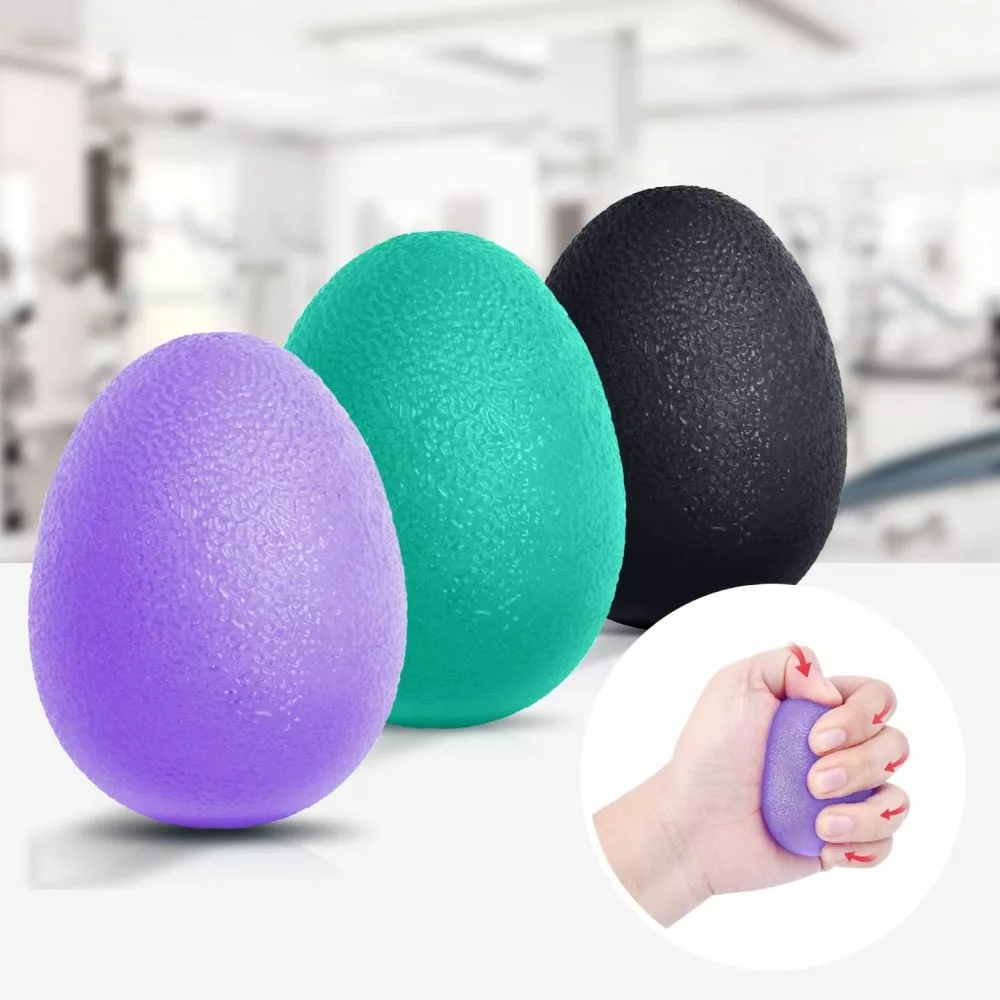
The Best 3-Level Therapy Egg Set for Hand Rehab & Stress Relief?
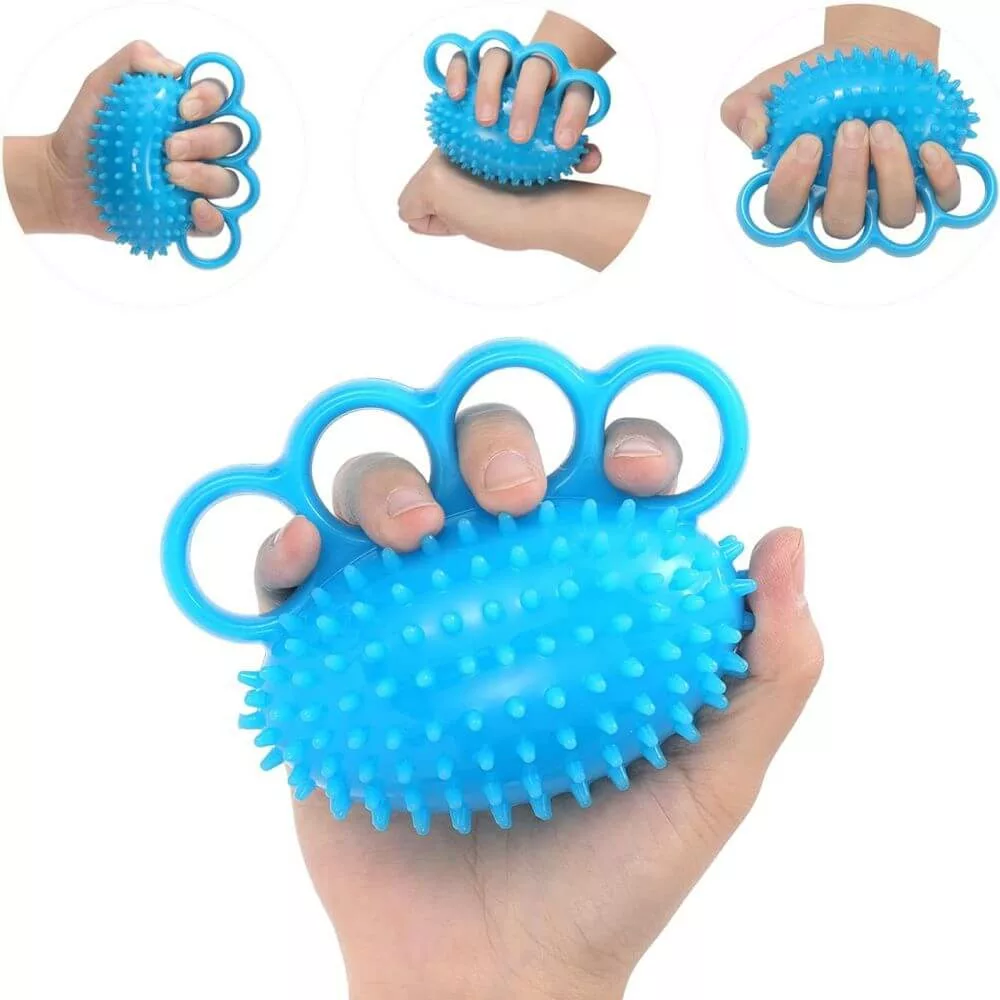
Therapy-Grade Stress Relief & Rehab Crush Grip Trainer
Applying These Concepts to Real-World Activities
Grip endurance plays a pivotal role in activities like climbing, arm wrestling, and various strength sports. These pursuits demand not just a powerful grip but one that can maintain its hold consistently throughout training, competition, or prolonged physical activity. Understanding and improving grip endurance can markedly boost performance in these areas.
Hand fatigue is a familiar companion in many day-to-day tasks like gaming, typing, and manual labor. Recognizing the signs of fatigue early helps in managing discomfort and prevents longer-term issues. This awareness is crucial for maintaining effectiveness at work or in hobbies that require hand dexterity, coordination, and sustained hand use.
By acknowledging personal endurance limitations, individuals can set practical goals that facilitate improvement. Whether it’s holding a bar longer during a workout, carrying tools for extended periods, or typing without frequent breaks, everyone can benefit from knowing their current capacity and working to extend it.
Tracking improvements over time is an excellent motivational tool. Recording progress in endurance and noting reductions in fatigue highlights successes and areas needing focus. It acts as a guide, providing data to tweak training methods or adjust recovery plans as needed for continued improvement in grip endurance and hand performance.
Overall, building stronger, more resilient hands not only enhances performance in specific activities but also increases overall comfort in daily life. Investing in strategies to boost endurance and minimize fatigue ensures long-term hand health, improved grip reliability, and greater efficiency across work, sport, and recreation.
Thanks for Stopping By!
What Are Your Go-To Methods to Reduce Hand Fatigue?
Share Your Experience Below!