(Last Updated on July 16, 2026 by Henry)
- Name: Fitarc Wrist Curl Bar
- Category: Wrist & Forearm Strength Training
- Purpose: Wrist curls, reverse wrist curls, pronation, supination, radial & ulnar deviation
- Rating: 4.6 / 5 Stars
- Availability: Amazon (Prime Delivery)
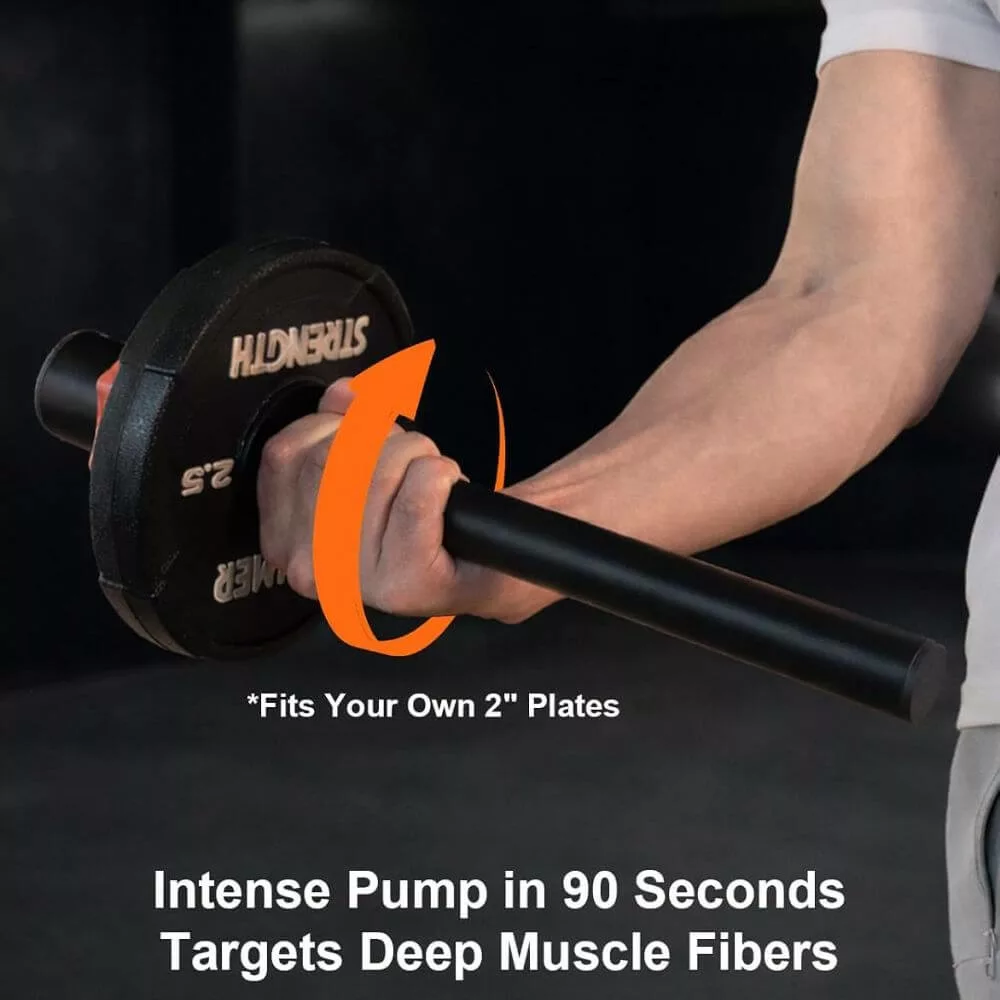
- Multi-directional wrist training: wrist curls, reverse curls, pronation & supination
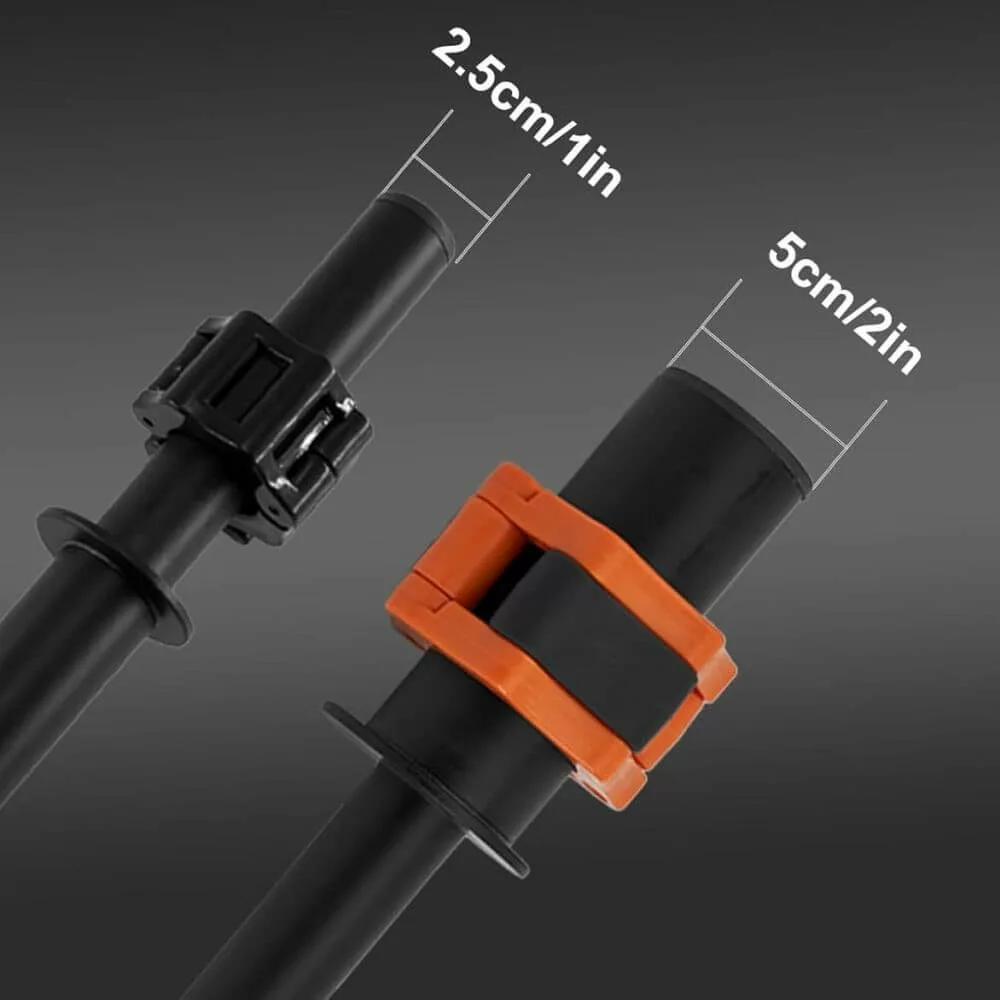
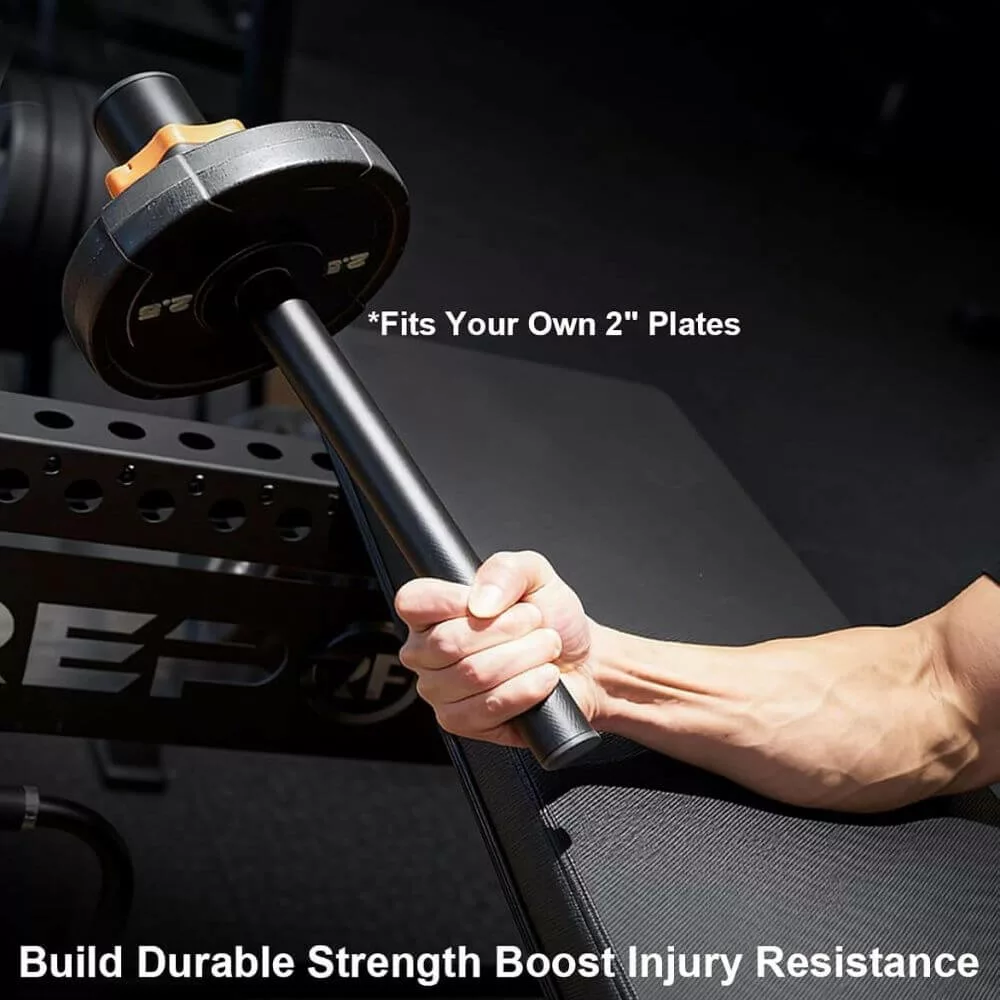
- Olympic plate compatibility: Standard 2-inch plates for unlimited progression
- Knurled steel construction: Strong grip security under load
Strong Wrists are the Missing Link in Most Grip Strength Programs.
Not Sure How to Train Your Forearms? Here’s My Wrist Training Guide.
✋ Overview: What Problem Does the Fitarc Wrist Bar Solve?
Complete Wrist Strength & Forearm Development
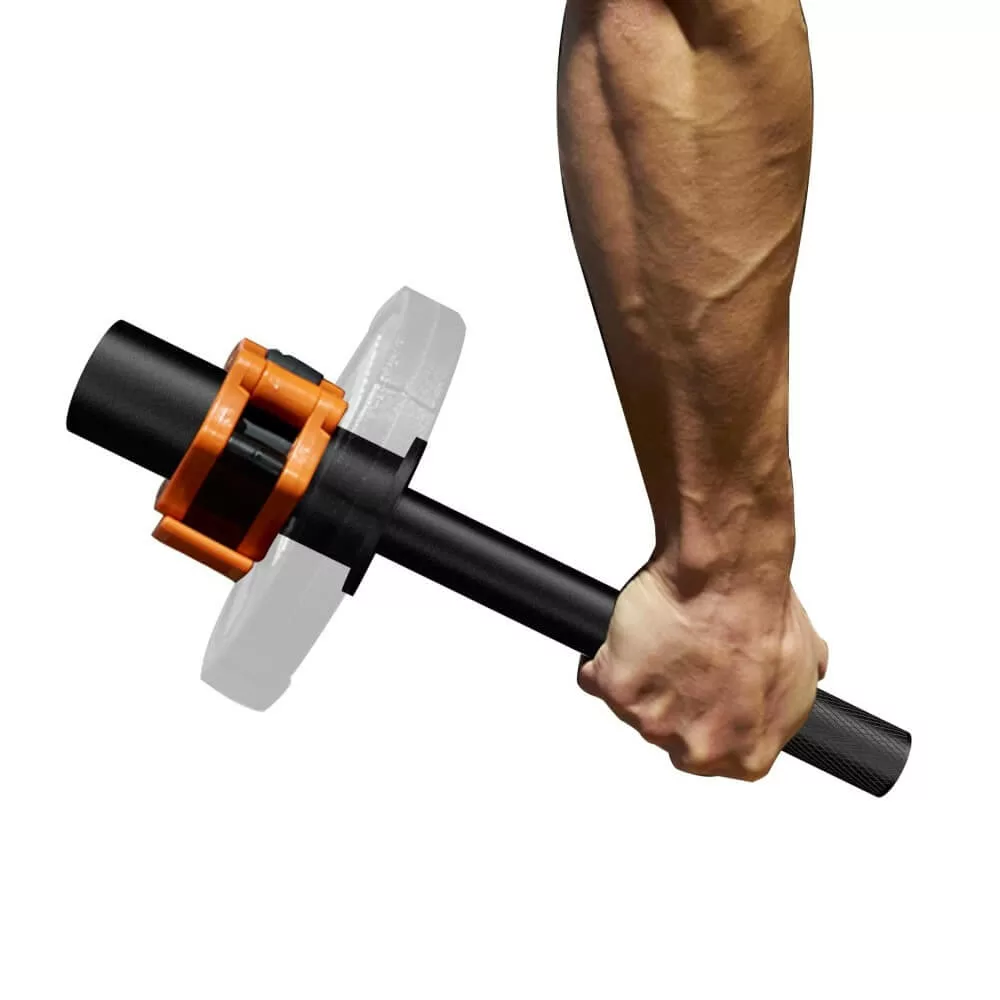
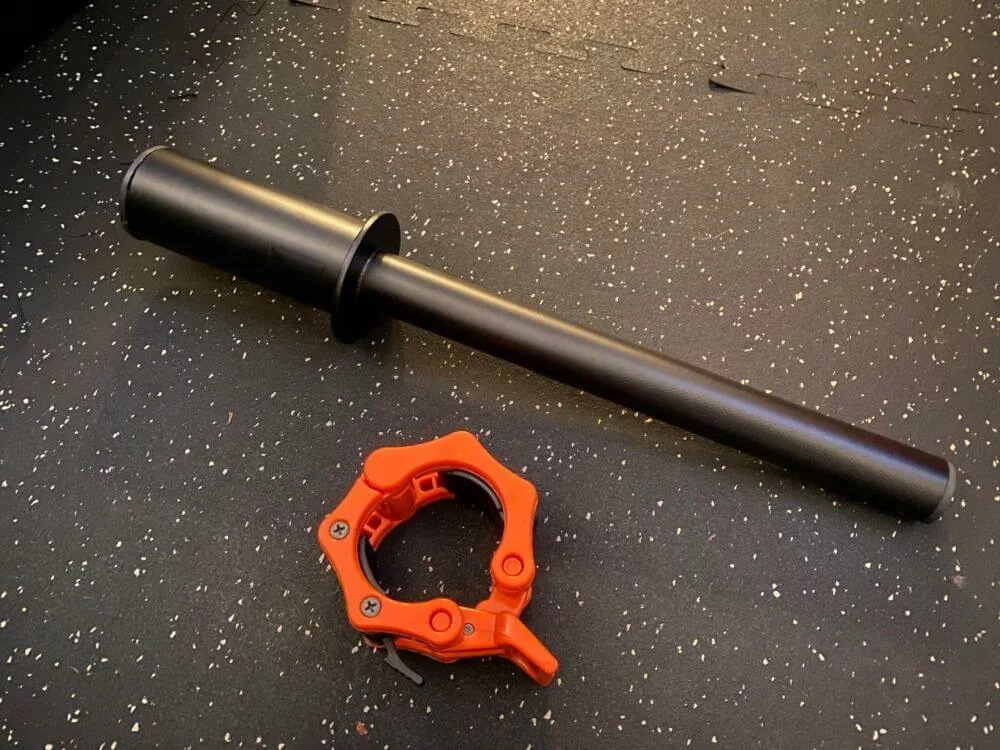
The first thing that stood out to me about the Fitarc Wrist Bar was its simplicity. At first glance, it almost looks like half of a barbell with a handle attached, but after looking deeper into the movement possibilities, I realized it’s actually a very versatile wrist-training tool.
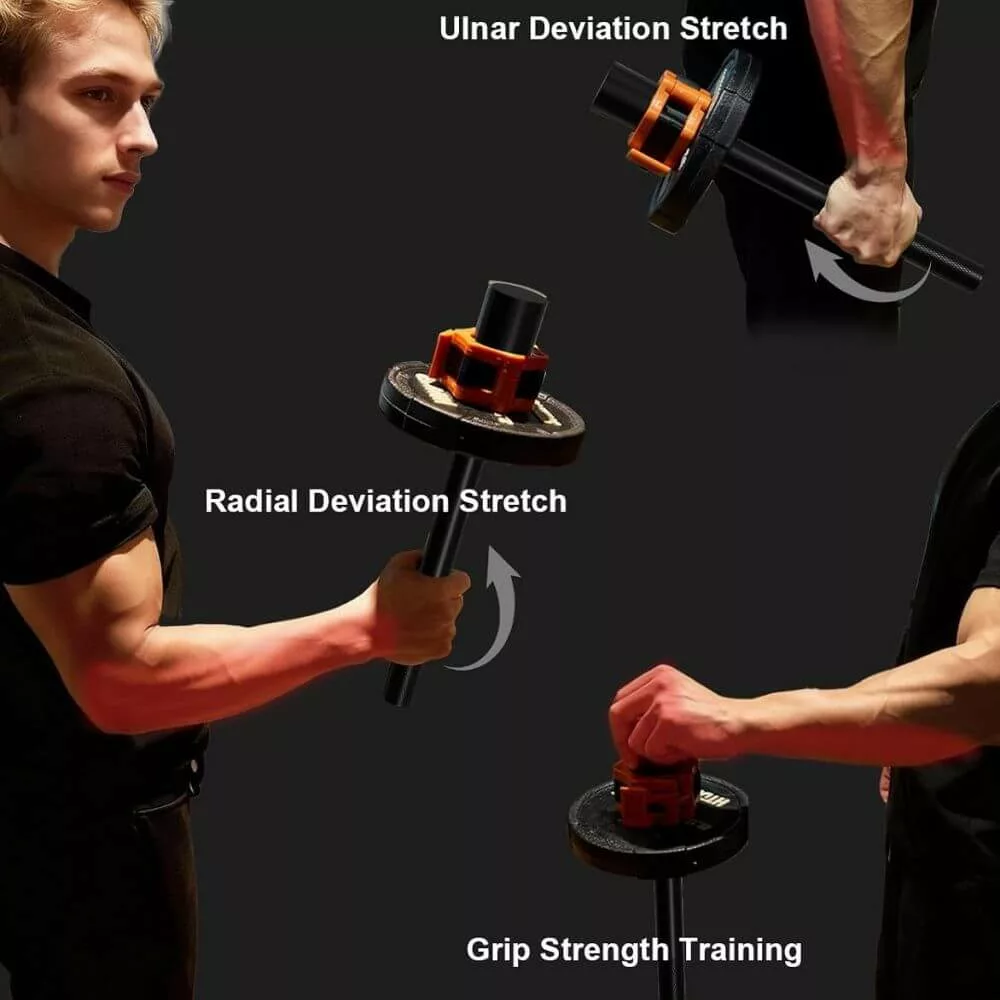
Most grip equipment focuses on crushing strength or finger endurance, while wrist training is often overlooked. This bar fills that gap nicely by allowing movements that are difficult to load with conventional dumbbells. Exercises like pronation, supination, radial deviation, ulnar deviation, wrist curls, and reverse wrist curls all become much more natural and controlled.
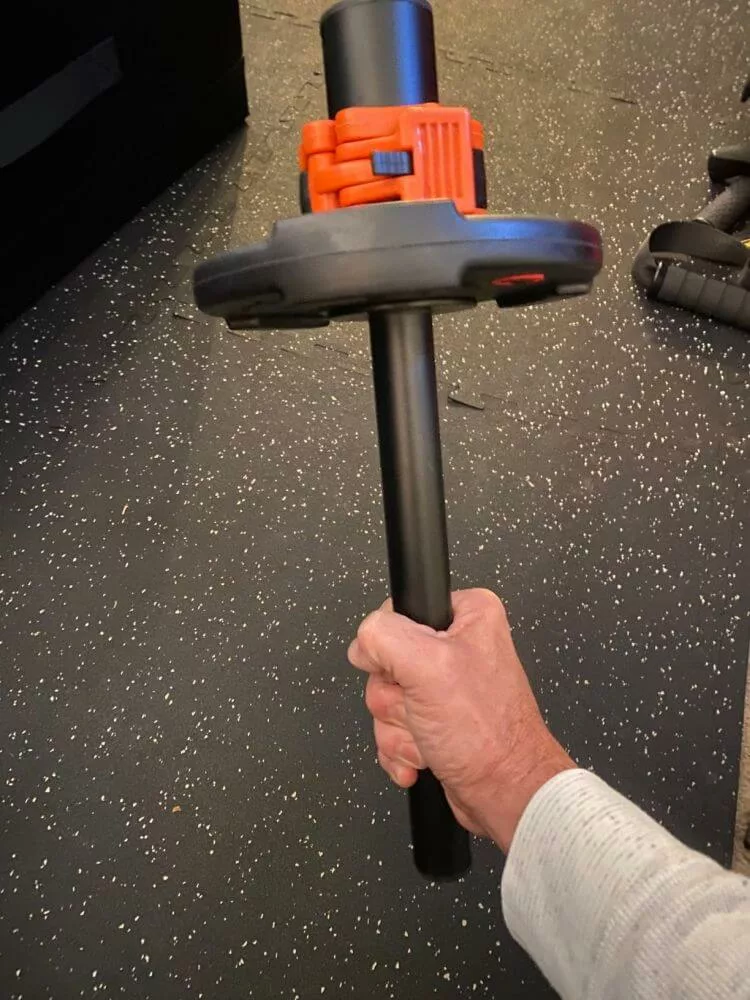
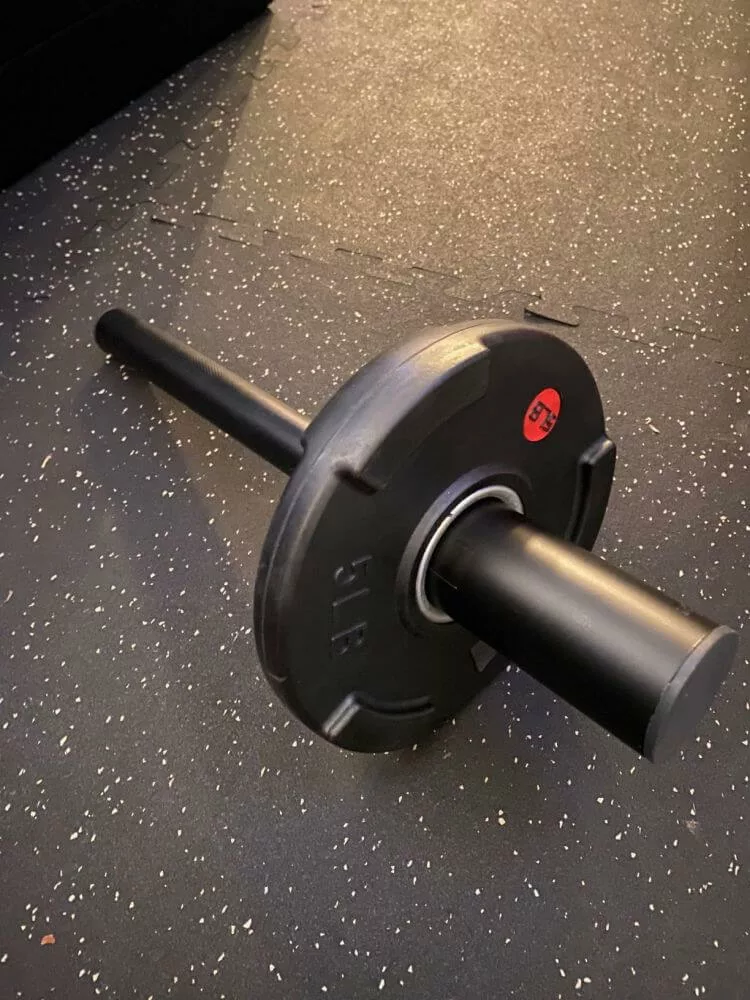
I also appreciate that it uses Olympic-sized weight plates, which means most home gym owners won’t need to buy proprietary weights. If you already own a barbell setup, you’re essentially ready to start training immediately.
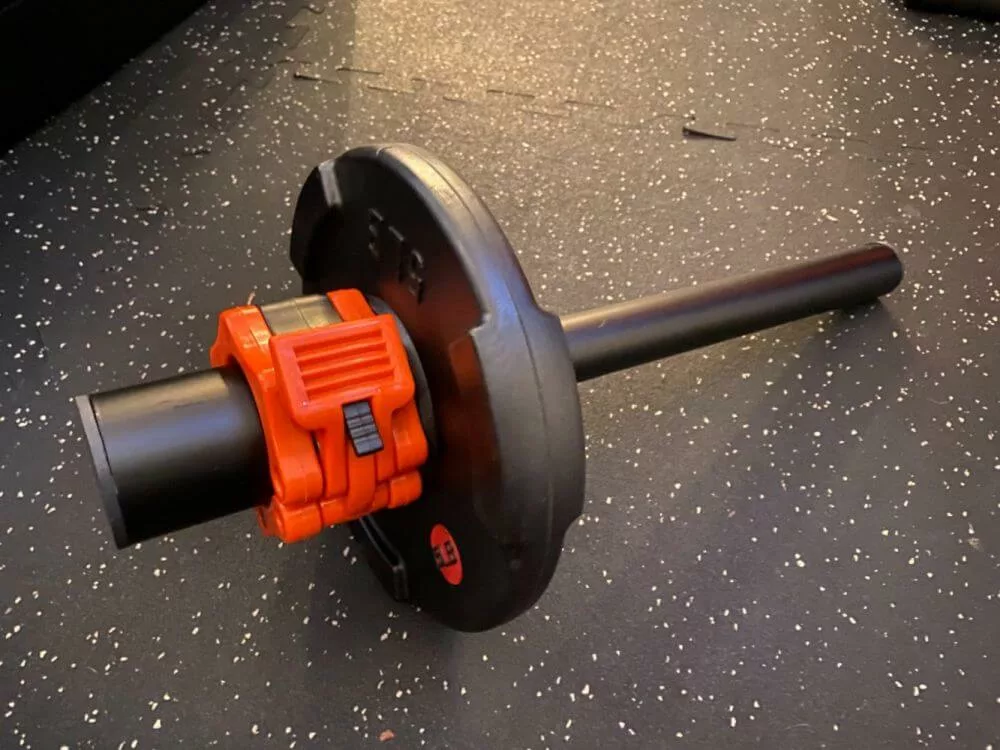
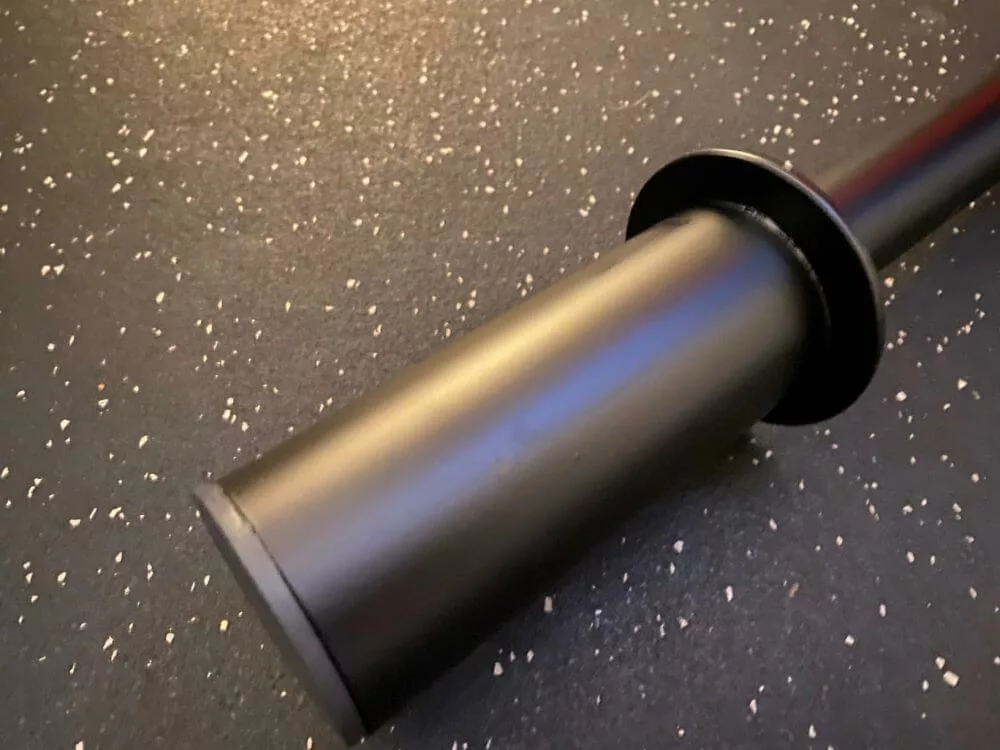
Construction appears solid as well. The steel body feels durable, and the knurled handle should provide enough traction even when hands begin to sweat. While the included collar isn’t considered the strongest component according to several users, the actual bar itself consistently receives praise for its durability and performance.
Overall, my first impression is that this isn’t another gimmicky forearm gadget. It’s a focused progression tool designed to strengthen one of the most neglected areas of upper-body training. your wrists.
For athletes looking to improve grip performance, build healthier joints, or develop stronger forearms, it offers a surprisingly practical solution without taking up much space in a home gym.
⚖️ Pros & Cons: Fitarc Wrist Bar
Versatility, Wrist Development & Overall Value
- Multi-directional wrist training. Supports wrist curls, reverse curls, pronation, supination, and deviation exercises using one compact tool, making workouts far more comprehensive than traditional wrist rollers.
- Olympic plate compatibility. Accepts standard 2-inch weight plates, allowing easy resistance adjustments without requiring proprietary accessories.
- Solid all-metal construction. Customers consistently praise the sturdy steel frame, secure feel, and long-term durability during regular training.
- Excellent value for money. At around $20–25, it delivers functionality typically found in much more expensive specialty forearm equipment.
- Strong transfer to grip strength. Developing stronger wrists improves overall pulling power, grip endurance, climbing performance, and lifting stability across many exercises.
- The included collar is fairly basic. Several users recommend upgrading to a higher-quality Olympic collar for heavier training sessions.
- Requires Olympic weight plates. Beginners without access to 2-inch plates will need additional equipment before getting started.
- Not a complete grip trainer by itself. While excellent for wrist strength, it should ideally be paired with crushing, pinch, or support grip exercises for balanced forearm development.
Still Deciding?
See How it Stacks Up Against Other Wrist Trainers.
Fitarc Wrist Curl Bar: Ranking 92 out of 100
Specialized Progression Tool to Build Stronger Wrists
🎯 Who Should Use This Tool?
Training Level & Athlete Identities
The Fitarc Wrist Bar is best viewed as a specialized progression tool rather than a beginner novelty. While almost anyone can benefit from stronger wrists, it particularly shines for athletes who want targeted forearm development and improved joint resilience.
It is an excellent choice for strength athletes who regularly perform deadlifts, rows, pull-ups, and heavy carries. Improved wrist stability often translates into better control during compound lifts and helps reduce weak links when handling heavier loads.
Rock climbers and boulderers should also appreciate the ability to strengthen pronation, supination, and wrist stability alongside finger strength. These qualities contribute to greater control on difficult holds and improved endurance during longer climbing sessions.
For grapplers, Brazilian Jiu-Jitsu practitioners, judoka, and arm wrestlers, wrist positioning plays a major role in controlling opponents. Developing stronger forearms through rotational movements can provide noticeable carryover both offensively and defensively.
The tool is equally useful for home gym enthusiasts who want to expand beyond traditional hand grippers. Because it uses existing Olympic plates and occupies very little storage space, it offers a convenient way to add highly specific forearm training without investing in large machines.
Finally, individuals interested in injury prevention and long-term wrist health may also find value here. Controlled strengthening across multiple movement patterns helps build resilient muscles and connective tissues, potentially supporting healthier wrists during sports, lifting, and everyday activities.
🧩My Rating Summary
- Build Quality: 4.6 / 5
Solid steel construction with reliable knurling. While not industrial-grade like premium specialty bars, it performs well above its price range. - Ease of Use: 4.8 / 5
Extremely simple setup. Load plates, secure collar, and train with a minimal learning curve. - Comfort: 4.5 / 5
Knurling provides strong grip security, though chalk may be needed for longer heavy sessions. - Resistance Quality: 4.7 / 5
Smooth, predictable loading with Olympic plates and natural resistance curve. - Progression Potential: 4.8 / 5
Excellent scalability due to the plate-loaded system for long-term wrist development. - Value for Money: 4.9 / 5
One of the strongest value tools in forearm training at a very low price point.
⚙️Technical Details
- Weight: 1.7 lbs (approx. 0.77 kg)
- Dimensions: Standard compact wrist bar format (plate-loaded axle style design)
- Material: Full metal/iron construction with knurled handle
- Resistance Range / Load Capacity: Plate-loaded (supports standard 2-inch Olympic plates; practical range depends on user strength and setup)
- Use Case: Wrist curls, reverse curls, pronation, supination, radial/ulnar deviation, forearm strengthening
- Manufacturer: Fitarc
📈 Where This Tool Fits In Grip Strength Progression
Progression Scalability & Long-Term Use
The Fitarc Wrist Bar sits in a very specific but important tier of grip training: it’s not a beginner “feel-good” tool, nor is it an extreme strength implement like adjustable grippers or heavy pinch blocks. Instead, it functions as a foundation builder for wrist integrity and forearm balance, which makes it highly valuable in long-term progression.
For beginners, it offers a controlled way to introduce wrist loading without immediately jumping into unstable or high-skill movements. The fixed handle and plate-loaded resistance make it easier to learn proper alignment in wrist curls and rotational movements. This reduces the risk of compensating with poor form, which is common when starting with dumbbells or improvised tools.
For intermediate users, this is where the bar becomes especially useful. Once basic grip strength is established, the limiting factor in many pulling or gripping movements shifts to the wrists. The ability to progressively overload pronation, supination, and deviation work gives a clear progression path that most standard gym equipment simply doesn’t offer.
Advanced athletes may not rely on it as a primary strength builder, but it still has a place as a joint conditioning and accessory tool. Heavy grip athletes often experience wrist fatigue or imbalance between flexors and extensors, and this tool helps correct that without requiring complex setups.
Over time, most users will not “outgrow” the movement patterns themselves. Instead, they will outgrow the load capacity they personally choose to use. Because it supports Olympic plates, the upper ceiling is effectively very high for wrist-focused work, meaning it can stay in a training program for years as a maintenance and progression tool.
💪 Training Benefits & Strength Transfer Potential
Real-World Strength Carryover
The most important benefit of the Fitarc Wrist Bar is not isolated wrist strength, but how that strength transfers into broader athletic performance. Wrist function plays a surprisingly large role in nearly all upper-body pulling and stabilizing movements, and improving it can unlock noticeable improvements elsewhere.
Stronger wrist flexors and extensors contribute directly to improved performance in deadlifts, rows, pull-ups, and carries, where grip failure is often preceded by wrist breakdown rather than pure hand fatigue. A more stable wrist reduces energy leakage and allows force to transfer more efficiently from the forearm into the implement being held.
Rotational strength, particularly pronation and supination, is equally important. These movement patterns are heavily involved in grappling, arm wrestling, climbing, and even barbell control during uneven loading situations. Strengthening them improves not just power output, but also joint control under unpredictable forces.
Radial and ulnar deviation work further enhances injury resilience and joint durability, especially for athletes who train frequently or under heavy loads. These smaller stabilizing muscles are often neglected in standard gym programs, which is where overuse issues tend to develop over time.
From a practical standpoint, users often report that after consistent training, they feel more “connected” during pulling movements. The bar itself does not build a crushing grip directly, but it strengthens the structural foundation that supports it. In other words, it makes other grip training more effective.
The transfer is not just performance-based but also protective. Stronger wrists reduce strain during heavy lifting and repetitive training cycles, making this tool as much about longevity as it is about strength.
This Equipment Mainly Targets Wrist Stability, Rotational Strength & Forearm Conditioning
🧠 Performance & Feel During Training
Resistance Control & Wrist Engagement
Training with the Fitarc Wrist Bar feels very direct and mechanical in a good way. There is no unnecessary complexity, just load, grip, and move through controlled wrist ranges. This simplicity is actually one of its biggest advantages, especially when focusing on strict forearm development.
During wrist curls and reverse curls, the resistance feels smooth and consistent throughout the range of motion. There is no noticeable imbalance or shifting, assuming plates are secured properly. The knurled handle provides enough grip security to maintain control even when the forearms begin to fatigue, though sweat-heavy sessions may benefit from chalk.
Where the bar really stands out is in rotational work. Movements like pronation and supination feel more controlled compared to dumbbell variations, primarily because the fixed axis removes instability. This allows more focused tension through the forearm rather than compensating through shoulder or elbow movement.
As fatigue builds, the forearms respond quickly. The burn tends to concentrate deep in the wrist flexors and extensors rather than spreading inefficiently across the arm. That’s usually a good sign that the load is being placed correctly.
The training experience is not flashy, but it is effective. It feels like a tool designed for repetition, progression, and long-term adaptation rather than short-term novelty.

🏗 Build Quality & Long-Term Durability
Material Strength & Reliability
The Fitarc Wrist Bar is built with a straightforward, utilitarian approach. The full metal construction gives it a solid and reassuring feel in hand, especially for a product in this price range. There are no unnecessary moving parts beyond the loading sleeve and collar system, which significantly reduces potential failure points.
Under regular use, the bar holds up well to repeated loading and unloading of Olympic plates. The steel frame appears resistant to bending under normal wrist training loads, which is important since many users will gradually increase resistance over time.
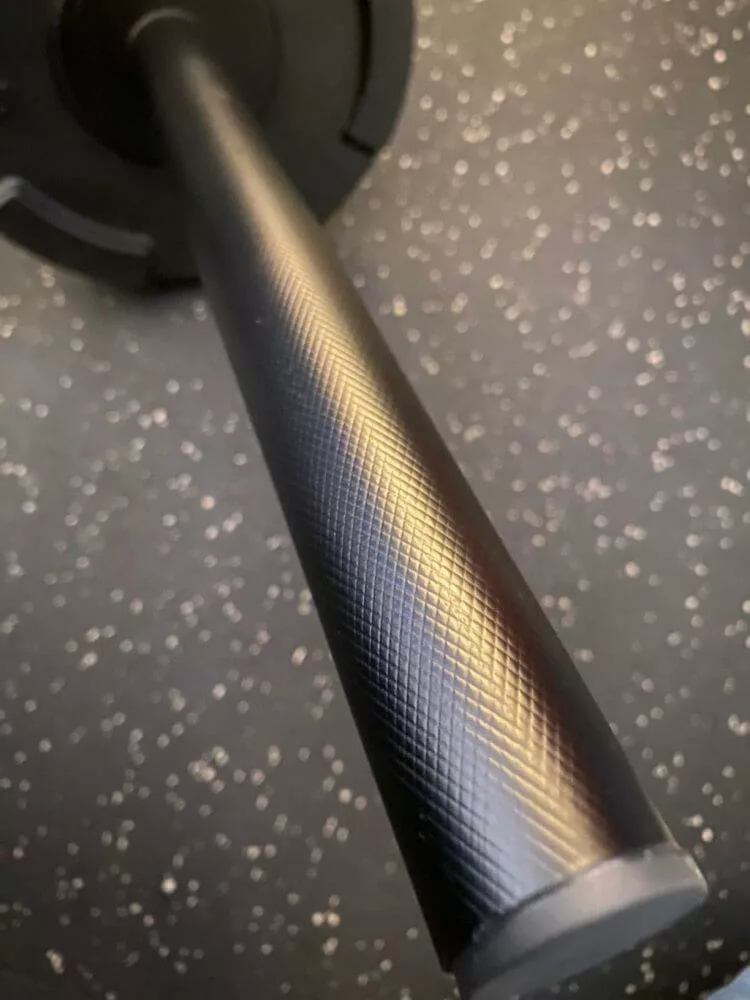
The knurled grip section is another strong point. It provides consistent traction and does not feel overly aggressive, striking a good balance between comfort and security. Over long-term use, this type of surface tends to hold up well unless exposed to extreme abuse or outdoor conditions.
The main weak point, as noted by multiple users, is the included collar. While functional for light to moderate loads, it does not inspire the same confidence as higher-end locking collars used in serious strength training setups. Many users naturally upgrade this component for heavier work.
The bar itself is durable enough for long-term home gym use and repeated progression cycles. It is not a fragile accessory; it behaves more like a simplified specialty barbell component designed specifically for wrist-focused training.
🏠 Everyday Usability & Practicality
Home Gym Convenience & Training Flow
One of the strongest advantages of the Fitarc Wrist Bar is how easy it is to integrate into a normal training environment. It does not require additional machines, racks, or complicated setup procedures. If Olympic plates are already part of a home gym, this tool fits in immediately.
The compact design makes it easy to store, even in small training spaces. It can be kept alongside other grip tools or tucked into a corner without occupying significant room. This is particularly useful for home gym users who want specialized training equipment without clutter.
Setup time is minimal. Plates can be loaded in seconds, and the movement patterns themselves are intuitive. This makes it suitable for short accessory sessions or warm-up work before heavier lifts.
In terms of portability, while it is not something you would casually carry around daily, it is still small enough to transport between locations if needed. The only limitation is the need for compatible plates and a secure collar system.
It performs well as a “plug-and-play” wrist training tool. It is not dependent on programming complexity or external equipment, which makes consistency easier to maintain over time.
✅ Final Verdict: Is the Fitarc Wrist Bar Worth It?
Long-Term Strength & Wrist Development Value
The Fitarc Wrist Bar is one of those tools that looks simple on the surface but delivers meaningful value when used consistently. It does not rely on gimmicks or complex mechanisms. Instead, it focuses on one of the most overlooked areas in strength training: wrist function.
For beginners, it provides a safe and structured way to introduce wrist loading and build foundational forearm strength. For intermediate users, it becomes a powerful progression tool that fills the gap between basic dumbbell work and more advanced grip systems. For advanced athletes, it serves as a reliable accessory for joint health, balance, and long-term durability.
Its biggest strength is versatility within a narrow focus. While it is not a full grip system on its own, it complements almost every other tool in a serious grip training setup. Combined with grippers, pinch blocks, and wrist rollers, it helps complete a more balanced forearm development strategy.
The only real limitation is the basic nature of the included collar, which slightly reduces its premium feel under heavy use. However, this is a minor issue compared to the overall utility and price point.
It delivers strong long-term value and deserves a place in any serious grip or forearm training progression.
Thanks for Stopping By!
Have You Used the Wrist Curl Bar Before?
Share Your Thoughts Below!
Looking to Rehab Your Hands Instead?
Check Out My Wrist Recovery Guide or Grip Training FAQ for Quick Answers.